Why Gene Simmons Lost So Many Fans
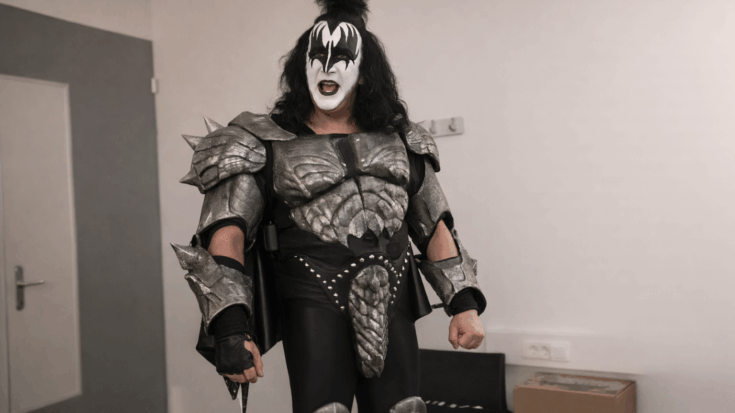
For decades, Gene Simmons stood as one of rock’s most recognizable personalities. As the fire-breathing bassist and co-founder of KISS, Simmons helped build one of the most commercially successful brands in rock history. Known as “The Demon,” he became famous for his larger-than-life stage persona, sharp business instincts, and unapologetic attitude.
However, while many fans still admire his entrepreneurial success and contributions to rock music, others have grown increasingly critical of him over the years. From controversial comments to aggressive merchandising, several moments have caused portions of the fanbase to distance themselves from the rock legend.
Here are five reasons why Gene Simmons lost many longtime fans.
1. Controversial Public Statements
One of the biggest reasons some fans turned against Simmons is his long history of controversial remarks in interviews. Over the years, he has made statements about politics, music culture, and social issues that many listeners considered insensitive or dismissive.
His blunt, often confrontational style may be part of his persona, but critics argue that it has sometimes crossed the line into arrogance. As social attitudes evolved, comments that once seemed merely provocative began to alienate parts of the audience.
2. The Perception That KISS Became “Too Commercial”
From comic books to lunchboxes, action figures, coffins, and even branded credit cards, KISS became one of the most merchandised bands in music history. Simmons proudly leaned into the idea of turning the band into a global brand.
While some fans appreciated the business savvy, others felt the band’s identity shifted from rebellious rock group to corporate machine. Critics often blamed Simmons—who frequently described himself as the band’s chief businessman—for pushing merchandising so heavily.
3. Criticism of Modern Musicians and Music Culture
Simmons has also sparked backlash by criticizing newer generations of artists. At various points, he has suggested that rock music was “dead” and blamed file sharing and changing industry economics.
Many younger fans and musicians saw these comments as dismissive toward emerging artists and modern music scenes. For critics, the statements made Simmons seem disconnected from the evolving music landscape.
4. Disputes With Former Bandmates
Throughout the history of KISS, there have been multiple lineup changes and internal disputes. Former members like Ace Frehley and Peter Criss have publicly clashed with Simmons and bandmate Paul Stanley.
Some fans sympathized with the departed members, particularly because Frehley and Criss were part of the band’s classic original lineup. Ongoing tensions and public disagreements created the impression that business decisions often came before loyalty to longtime collaborators.
5. Charging Fans for Extremely Expensive Experiences
In recent years, Simmons has drawn criticism for premium fan experiences that cost thousands of dollars. One of the most talked-about examples was a “roadie for a day” experience, where fans could pay a hefty fee to work with Simmons’ touring team for a day.
While Simmons defended these offers as optional VIP experiences, critics argued they symbolized the growing commercialization of fan interactions. For some longtime supporters, it reinforced the idea that Simmons prioritized profit over authenticity.
A Polarizing Rock Icon
Despite the backlash from some fans, Gene Simmons remains one of rock’s most influential and recognizable figures. His work with KISS helped define the spectacle of arena rock, and his business approach changed how bands think about branding and merchandising.
For better or worse, Simmons has never been afraid to speak his mind or chase ambitious business ideas. That boldness helped build the KISS empire—but it also explains why, over time, some fans decided to step away from the Demon’s camp.