

The Reason Bruce Springsteen Was Honored Recently
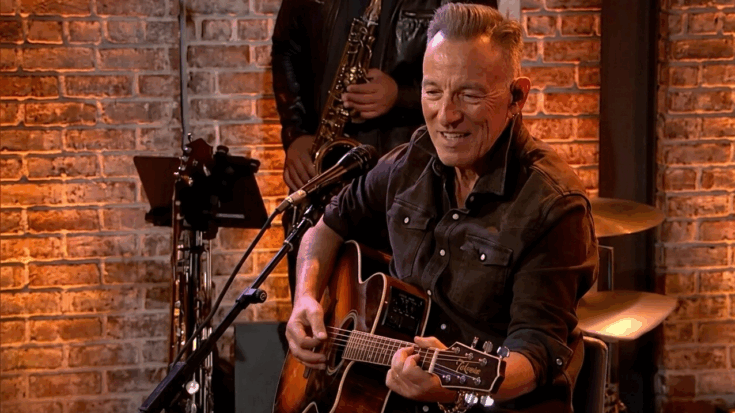
via "paolamedoricinemaspettacolo" / Youtube
Bruce Springsteen is set to receive one of the Tribeca Festival’s most prestigious recognitions, as he is named the 2026 recipient of the Harry Belafonte Voices for Social Justice Award. The honour will be presented on June 13 at the OKX Theater at BMCC TPAC, celebrating his decades-long commitment to activism alongside his musical legacy.
Tribeca co-founder and co-chair Jane Rosenthal explained the significance of the award, stating that it recognises figures “who don’t just speak out, but actively use their platform to advance equality, dignity, and human rights.” She added:
“There are few figures who embody the spirit of Tribeca’s Harry Belafonte Award more fully than Bruce Springsteen.”
A Star-Studded Celebration
The event will feature Springsteen in conversation with Bono, a longtime friend and fellow advocate. The lineup underscores the scale of the occasion, with appearances also confirmed from Robert De Niro and Patti Smith, both of whom will join in celebrating the Born in the U.S.A. artist.
The gathering reflects not only Springsteen’s cultural influence but also his enduring presence within a community of artists who have consistently engaged with political and social issues.
Politics, Protest, and a Call for Restraint
The timing of the award coincides with a renewed period of political expression in Springsteen’s work. His recent song, “Streets of Minneapolis,” was released as a protest against ICE-related killings in Minnesota, reinforcing his reputation as an artist unafraid to confront contemporary issues.
Springsteen has also been vocal in his criticism of Donald Trump, referring to the president as a “snowflake” during the opening night of his Land of Hope and Dreams tour in Minneapolis. Trump responded by calling the musician a “dried up prune” and encouraging supporters to boycott his music and live shows.
Despite the sharp exchanges, Springsteen struck a more unifying tone following the shooting at the White House Correspondents’ Dinner on April 25. Addressing a crowd in Austin the following evening, he said:
“We begin tonight with a prayer for our men and women in service overseas. We pray for their safe return. We also send out a prayer of thanks that our president, nor anyone in the administration, nor anyone attending was injured in last night’s incident at the Press Correspondents’ Dinner.”
He continued:
“We can disagree. We can be critical of those in power. And we can peacefully fight for our beliefs, but there is no place in any way, shape, or form for political violence of any kind in our beloved United States.”
In many ways, the moment encapsulates the duality that has long defined Springsteen’s public voice—unflinching in its critique, yet grounded in a broader appeal for unity and civic responsibility. Even at his most politically charged, he continues to frame dissent not as division, but as a necessary part of democratic engagement, drawing a firm line between protest and harm. It is precisely this balance—between conviction and restraint—that underscores why his influence extends far beyond music, and why honours such as the Tribeca award resonate with particular weight at a time of deep cultural and political fracture.