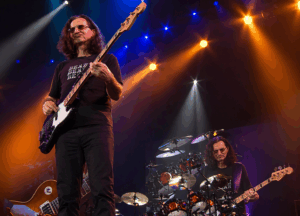





The Fleetwood Mac Song Mick Fleetwood Admitted He Couldn’t Stand
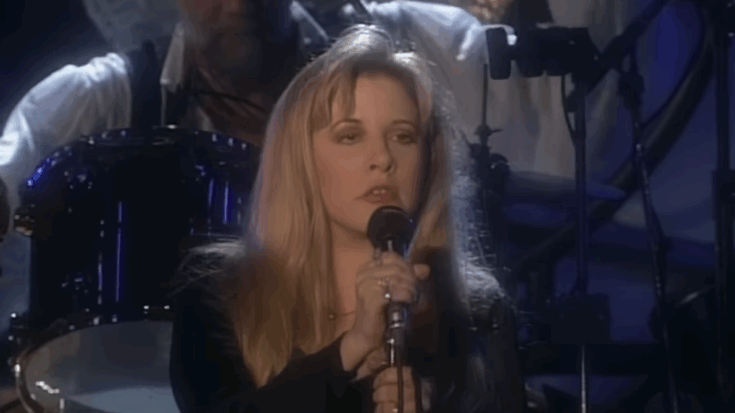
via Fleetwood Mac / Youtube
As the rhythmic backbone of Fleetwood Mac, Mick Fleetwood was indispensable to the group’s identity. Yet despite his importance, Fleetwood often found himself excluded from the songwriting process. Like many drummers, his role was largely limited to maintaining feel, tempo, and atmosphere rather than shaping compositions—a common reality, if not always welcomed.
In most bands, drummers rarely exert creative authority unless they are also principal writers, as was the case with figures such as Phil Collins or Neil Peart. Fleetwood took pride in anchoring the band musically, but his tolerance had limits. Those limits were tested during the recording of “Walk a Thin Line,” when guitarist Lindsey Buckingham asserted near-total control over the track.
Creative Control and the Fractures of Tusk
The conflict surrounding Buckingham was not an isolated incident. During the sessions for Tusk, tensions ran high, and nearly every member of the band expressed frustration with Buckingham’s increasingly dominant role. His confidence had already grown during the making of Rumours, and once that album became one of the best-selling records of all time, restraint was no longer a priority.
Buckingham had little interest in revisiting familiar territory. He believed repeating past successes risked creative stagnation, even if his alternative vision alienated others in the band. The stylistic shift was dramatic—comparable to imagining Tom Petty abruptly reinventing himself in the vein of Blondie or Devo. For Buckingham, experimentation was essential; for the rest of the band, it often felt destabilizing.
His approach to collaboration further strained relationships. While few bands operate as full democracies, Buckingham frequently erased other members’ performances if he felt they were inadequate, choosing instead to record the parts himself. Although Tusk was often compared to The Beatles’ White Album, many of Buckingham’s songs felt less like group efforts and more like personal statements.
“Walk a Thin Line” and a Breaking Point
“Walk a Thin Line” ultimately became a flashpoint. Influenced by the raw energy of early punk, Buckingham wanted the song to sound rough and unpolished, including a deliberately unstable drum performance. When Fleetwood struggled to understand the direction Buckingham envisioned, the guitarist recorded the drum track himself—an act that deeply offended the band’s longtime drummer.
Recalling the recording process in an interview with Paul Zollo, Buckingham acknowledged Fleetwood’s reaction:
“That was me on the drums. Mick was appalled. He was appalled that these drums were going out, and people would think that it’s him because it offended the finer points of his sensibilities. And I understand that. I was really going for slop.”
Fleetwood’s frustration was understandable. A highly respected figure from the British blues tradition suddenly found his reputation attached to a performance he neither played nor approved. For any musician invested in their craft, such a decision would have been difficult to accept.
While Buckingham’s artistic intent is evident, the track still feels as though it lacks the power and authority Fleetwood could have provided. By that stage, however, compromise was no longer possible. The divisions that first surfaced during Rumours had reached their breaking point.
Fleetwood’s response came years later. In 1981, he recorded his own version of “Walk a Thin Line” for his solo album The Visitor, featuring himself on drums and George Harrison on guitar. The gesture was subtle but unmistakable—a quiet reclamation of a song that had come to symbolize how far the band had drifted apart.