





On This Day in 1975: Linda Ronstadt’s “You’re No Good” Hits No. 1 as Heart Like a Wheel Tops the Charts
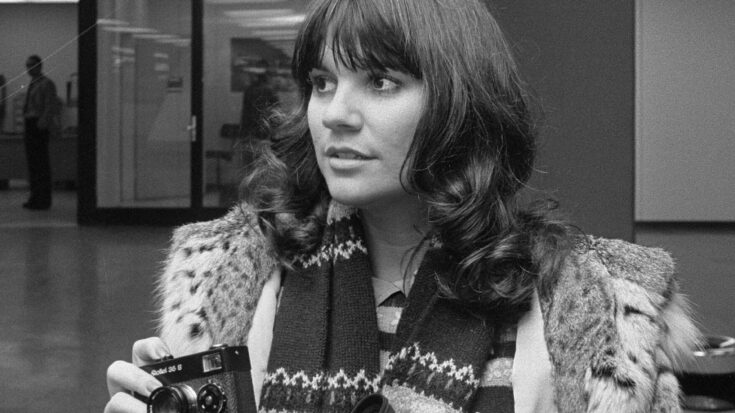
Photo by Rob Bogaerts / Anefo, CC0, via Wikimedia Commons
In February 1975, Linda Ronstadt reached a career milestone that changed her place in pop music. Her single “You’re No Good” climbed to No. 1 on the Billboard Hot 100, while her album Heart Like a Wheel rose to the top of the Billboard 200 at the same time. It marked the first time Ronstadt led both major charts in the same week.
Before this moment, Ronstadt had already built a steady following through her mix of rock, country, and folk. But she had not yet scored a No. 1 single. “You’re No Good” changed that and introduced her to a wider audience across the country.
A Song Reimagined
“You’re No Good” was not a new song in 1975. It was written by Clint Ballard Jr. and first recorded in the early 1960s. Other artists had released versions, but none reached the top of the charts. Ronstadt’s take gave it new energy. With producer Peter Asher guiding the sessions, the track blended strong vocals with tight instrumentation.
Ronstadt’s voice carried the song’s message of heartbreak and strength. The recording featured members of the Los Angeles studio scene, including guitarist Waddy Wachtel and bassist Kenny Edwards. Their playing added a firm, steady sound that matched Ronstadt’s direct delivery.
View this post on Instagram
The Rise of Heart Like a Wheel
Released in late 1974, Heart Like a Wheel became Ronstadt’s breakthrough album. Along with “You’re No Good,” it included tracks such as “When Will I Be Loved” and “I Can’t Help It (If I’m Still in Love with You).” The album showed her ability to move between rock and country with ease.
The record stayed at No. 1 on the Billboard 200 for one week but remained on the chart for more than a year. It eventually sold over two million copies in the United States. The success helped Ronstadt win her first Grammy Award, taking home Best Female Country Vocal Performance for “I Can’t Help It.”
A Lasting Impact
By topping both charts on the same day, Ronstadt proved she could compete with the biggest names in music. At a time when rock radio was often dominated by male performers, she stood out with her strong presence and wide range.
The achievement in 1975 set the tone for the rest of her career. Over the next decade, she would score more hits, including “Blue Bayou” and “It’s So Easy,” and become one of the most successful female artists of the era. Her chart-topping week in 1975 remains one of the defining moments of her rise to national fame.









.jpg)