Mick Jagger Names the Worst Band He Ever Saw Live and Says “I Think It’s Garbage”
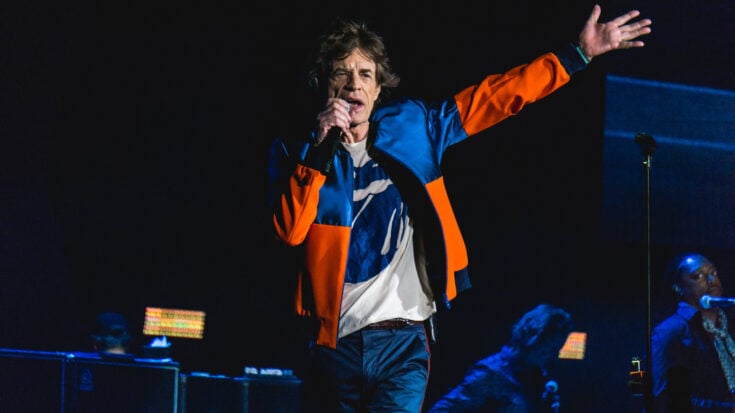
Photo by Raph_PH, CC BY 2.0, via Wikimedia Commons
In rock and roll, tension often exists between the old guard and the new wave. Even as established artists refine their sound and cement their legacies, fresh acts inevitably arrive to challenge their place in music history. Mick Jagger, frontman of The Rolling Stones, recently reflected on this clash when recalling the first time he heard the 1980s hit “Relax” by Frankie Goes to Hollywood. For Jagger, it was not music he admired.
While The Rolling Stones had already moved far from their blues origins by the 1980s, Jagger was no stranger to experimentation. From the psychedelic sounds of Their Satanic Majesties Request to the baroque pop on Between the Buttons, he consistently explored trends beyond what The Beatles were doing. His willingness to adapt helped The Stones maintain relevance even as the music world changed.
Jagger’s Eye for Innovation
Jagger’s creative choices often contrasted with bandmate Keith Richards, who preferred to stick with rock and roll in its raw form. By the time The Beatles disbanded, Jagger was steering the band into new territory, laying the groundwork for tracks like Exile on Main St. while staying true to his blues roots. His openness to contemporary sounds led to hits like “Miss You,” a disco-influenced song that integrated into the classic rock catalog without alienating fans.
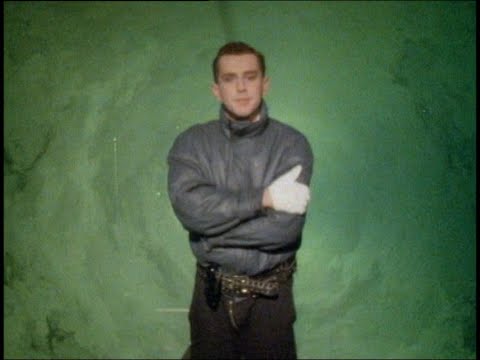
As MTV rose to prominence, Frankie Goes to Hollywood emerged as a visual force. Produced by Trevor Horn of The Buggles, “Relax” was explosive both sonically and visually, reaching audiences far beyond the UK. Its provocative video, combined with a BBC ban and media attention, turned the song into a global phenomenon. Despite this success, Jagger was unimpressed by what he witnessed live.
Live Performance Under Scrutiny
“The record wasn’t just a pop hit; it was pure provocation,” he noted, but onstage, he saw a different story. “I think it’s garbage. Onstage, [they’re] the worst act I’ve seen. I went to see them at the Ritz and they were just terrible, and they know it. The guy onstage was just in tears. I don’t blame him…he sang so out of tune. And it’s all pre-recorded, it’s all a backing track. I think it’s a joke.”
Jagger’s critique highlights the high standards expected of major touring acts, particularly in the classic rock world. During the 1980s, spectacle often mattered as much as, if not more than, musicianship. The Rolling Stones themselves have always combined showmanship with their performances, giving fans both visual excitement and instrumental skill. Frankie Goes to Hollywood, by contrast, emphasized image and energy over live precision.
Legacy and Perspective
Despite Jagger’s harsh words, Frankie Goes to Hollywood continued to enjoy commercial success, delivering more hits before the band eventually dissolved. Holly Johnson, the frontman, pursued a solo career, while the group left a mark as pop icons of the 1980s.
For Jagger, the difference between classic rock performers and newer acts is often the emphasis on musical craft in a live setting. While The Stones continue to bring both energy and skill to their concerts, he saw Frankie Goes to Hollywood as prioritizing spectacle over musicianship. Even if their live show lacked precision, the band’s audience never forgot the visual and emotional impact of seeing them in action.