




On This Day in 1980: Pink Floyd’s 11th Studio Album Begins a Massive 15-Week Run at No.1 in the US
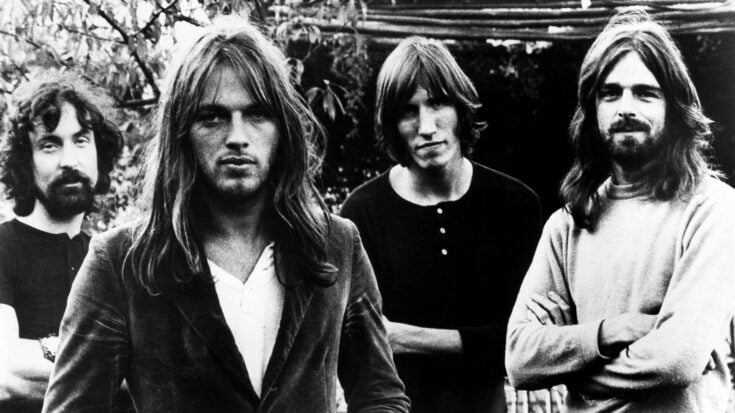
UNITED KINGDOM - CIRCA 1973: Pink Floyd, (L-R: Nick Mason, Dave Gilmour, Roger Waters and Rick Wright) pose for a publicity shot circa 1973. (Photo by Michael Ochs Archives/Getty Images)
On January 19, 1980, Pink Floyd’s The Wall started a major run at No. 1 on the US Billboard album chart. The album stayed at the top for 15 consecutive weeks, marking one of the longest runs at No. 1 for a rock release in that era. The Wall became the band’s third U.S. No. 1 album and would go on to become one of the best‑selling records in American history.
Released on November 30, 1979, The Wall followed Pink Floyd’s earlier successes like The Dark Side of the Moon and Wish You Were Here. It offered fans a new musical and thematic direction and became a defining record for the band and for rock music at the close of the 1970s.
A Rock Opera With Global Reach
The Wall was conceived as a rock opera that told a story centered on a troubled rock star named Pink. The narrative explores themes of isolation, fame, and emotional walls that people create between themselves and the world. While some critics initially gave mixed reviews, many listeners connected with its depth and ambition, fueling strong album sales and a powerful cultural presence.
The first single from the album, “Another Brick in the Wall (Part 2),” became Pink Floyd’s only No. 1 hit in the United States and the United Kingdom. It also topped charts in countries including Germany, Australia, and Italy, broadening the album’s reach and helping it gain momentum worldwide.
View this post on Instagram
Chart Dominance and Sales Milestones
After hitting No. 1 on January 19, The Wall held that position for 15 straight weeks on the US album chart. It sold more than a million copies in its first two months and continued to sell strongly throughout 1980 and beyond. In 1999, the Recording Industry Association of America certified the album 23× Platinum, representing more than 23 million units sold in the United States alone.
That level of sales places The Wall among the top‑selling albums in U.S. history. It ranks behind only a handful of records, including Michael Jackson’s Thriller and the Eagles’ Their Greatest Hits (1971–1975), making it one of the most enduring and commercially successful albums ever released in the country.
Critical and Cultural Impact
While the album’s commercial success was clear, its artistic reach also grew over time. The Wall won a Grammy Award for Best Engineered Recording (non‑classical) and was nominated for Album of the Year. Rolling Stone included it on its list of greatest albums, and it has appeared in books like 1001 Albums You Must Hear Before You Die.
The record also inspired a feature film released in 1982, which visualized parts of the narrative and helped cement the story of Pink in popular culture. Performances of the album live and later reinterpretations by Roger Waters have kept the music in public awareness across generations.
Lasting Legacy on Music History
Today, The Wall is remembered for both its chart achievement and its role in the evolution of rock music. Its 15‑week run at No. 1 on the U.S. charts marked a rare milestone, and its large sales totals reflect its deep connection with listeners. Reflecting broader trends in the music world at the time, The Wall remains one of Pink Floyd’s most influential and widely recognized works decades after its release.