




On This Day in 1977: Led Zeppelin Perform to a Record 76,229 Fans at the Pontiac Silverdome
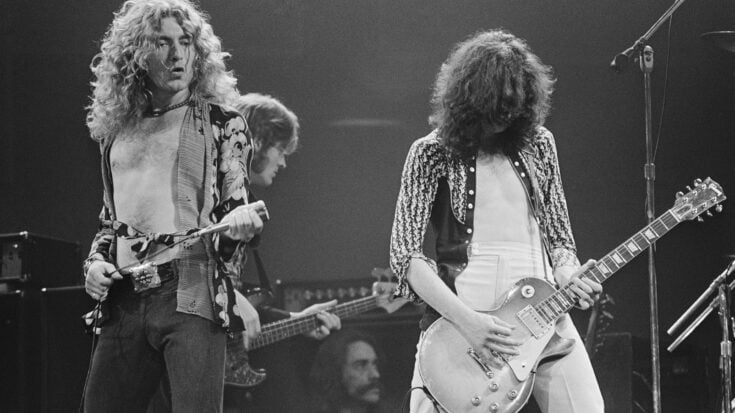
Singer Robert Plant and lead guitarist Jimmy Page of Led Zeppelin perform in concert. Bassist John Paul Jones is behind Plant. (Photo by Jay Dickman/CORBIS/Corbis via Getty Images)
Stadium Moment That Redefined Live Rock Scale
Few live music events from the 1970s match the scale reached when Led Zeppelin drew a record-breaking audience in Michigan. The performance became one of the defining examples of stadium rock, showing how far live concerts had expanded by that era and how quickly rock audiences were growing across the United States. It stood out as one of the most attended rock events of its time, reflecting the scale of stadium era performances.
By the late 1970s, the band was already known for filling large venues across North America, with demand for tickets often far exceeding available seating in major cities. Their shows reflected the growing power of rock music as a global live entertainment force that continued to reshape touring expectations. This period marked a shift where rock concerts became large-scale cultural gatherings rather than small venue performances.
Massive Crowd Moment in Rock History
On April 30, 1977, Led Zeppelin performed at the Pontiac Silverdome in Michigan, drawing a crowd of 76,229 people. The attendance set a new world record for a concert audience at the time, marking a milestone in live performance history and drawing attention from across the music industry. The show remains frequently cited in discussions of legendary live rock milestones from the 1970s touring circuit history.
The Silverdome event highlighted how stadiums had become central to rock touring during the decade. Acts like Led Zeppelin were able to transform massive indoor arenas into spaces where tens of thousands gathered for a single night of amplified sound and shared experience. This shift helped define the modern idea of arena rock concerts in popular music culture during the decade era impact and lasting cultural impact overall.
Relive the iconic moment in the below:

Stadium Rock at Its Peak Era
At the time, few artists could match the scale of audiences that Led Zeppelin consistently attracted on their tours. Their concerts stood alongside other major rock spectacles of the decade, but this Michigan performance pushed attendance records even higher than previous large venue shows. It reinforced their reputation as one of the biggest live acts of the era and widely referenced by music historians in rock history documentation records.
A Record That Still Stands
Decades later, the concert remains a reference point in discussions about live music scale and crowd size in rock history. It continues to represent the height of Led Zeppelin’s touring era and the growing ambition of large-scale rock productions throughout the 1970s. It is still used as a benchmark for large-scale live performance achievements in discussions of rock history and touring scale. Fans and historians continue to revisit the performance as part of Led Zeppelin’s live legacy. It is often highlighted when discussing the evolution of stadium rock during the late 1970s and remains a key historical reference point in live music history studies.