




David Lee Roth Opens Up About Band Influences
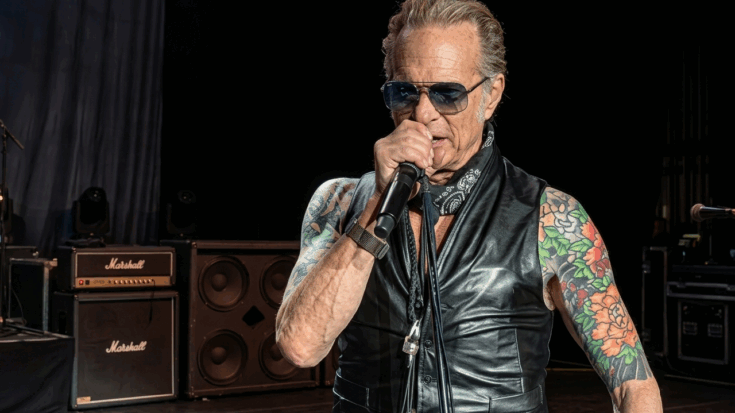
via "bigconcertfan.com" / Youtube
David Lee Roth has once again stepped into the spotlight with pointed remarks about his role in shaping the classic sound of Van Halen. Speaking in a recent interview with Good Morning America, the former frontman revisited long-running debates over authorship, influence, and the creative tensions that defined the band’s peak years.
Roth Reasserts Creative Control
Roth framed himself as the central architect behind the band’s lyrical and melodic identity during its most celebrated era. Reflecting on his contributions, he stated:
“In Van Halen, the classic Van Halen, everything you sing, I bring. I wrote all the words, all the melodies, every note of the harmonies, and such.”
The comment reinforces a familiar narrative from Roth, who has consistently emphasized his authorship of the band’s vocal-driven elements. His remarks position him not just as a frontman, but as a key creative force behind the group’s signature sound.
Southern Rock Influences in the Mix
Beyond his own contributions, Roth also pointed to a wide range of influences that helped shape the band’s musical direction—particularly drawing from Southern rock acts. He explained:
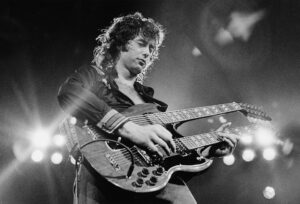
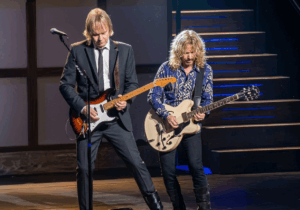
“And classic Van Halen, easily 30% of it is ZZ Top, okay, you know tush, you know what brunch, 38 Special, hang on loosely, baby. Marshall Tucker, heard it in a love song. Leonard Skinner, give me three steps, girl. I’m not sure what that means to this day, but I want them. And all of that went into our songwriting at the same time. We were big outdoor guys.”
In citing bands like ZZ Top, 38 Special, The Marshall Tucker Band, and Lynyrd Skynyrd, Roth painted a picture of a group absorbing diverse regional sounds and blending them into their high-energy hard rock style.
A Legacy Shaped by Creative Tension
Roth’s latest statements also revive the long-documented friction between himself and guitarist Eddie Van Halen. While Roth leaned toward accessible, party-driven themes, Eddie often pursued darker, more complex musical ideas—a divide that contributed to Roth’s departure in 1985.
Formed in Pasadena, California, in 1972, Van Halen rose to become one of rock’s most influential acts, driven by Eddie’s groundbreaking guitar work, Alex Van Halen’s powerful rhythms, Michael Anthony’s steady bass lines, and Roth’s flamboyant stage presence. Yet internal disagreements steadily intensified over time.
In his 1997 autobiography, Crazy from the Heat, Roth described the band’s direction prior to his exit as “morose,” underscoring the widening gap in artistic vision. Even a brief reunion in 1996 failed to resolve those differences.
Roth’s current remarks continue a decades-long back-and-forth over creative ownership—an enduring subplot in the legacy of one of rock’s most iconic bands.