





High Court Rejects Copyright Claims From Jimi Hendrix Bandmates’ Estates
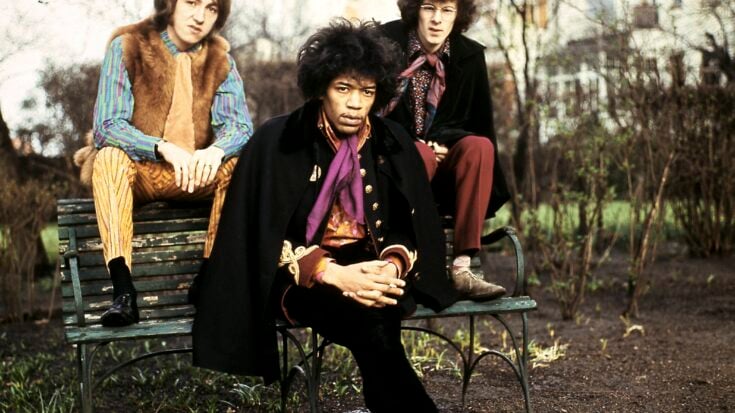
GERMANY - MARCH 01: Photo of JIMI HENDRIX EXPERIENCE and Jimi HENDRIX; L-R Mitch Mitchell, Jimi Hendrix, Noel Redding - Jimi Hendrix Experience - posed, group shot (Photo by K & K Ulf Kruger OHG/Redferns)
A Dispute Over Classic Recordings
A courtroom decision in London has drawn a firm line around the ownership of some of rock music’s most famous recordings, closing a legal effort tied to the legacy of The Jimi Hendrix Experience.
The case centered on claims brought by the estates of Noel Redding and Mitch Mitchell, both key members of the band during its peak in the late 1960s. Their representatives argued that the musicians should hold a share in the copyrights connected to around 40 studio recordings.
In addition, the estates sought recognition of performance-related rights tied to those same tracks. They also asked the court to examine whether any payments linked to those recordings remained unpaid.
Origins of the Band and the Agreement
Redding and Mitchell joined Jimi Hendrix in 1966, forming a group that quickly became one of the most influential acts of its era. The band’s run was short-lived, ending before Hendrix’s death in 1970.
At the center of the legal battle was a recording agreement signed during that period. According to Sony Music Entertainment UK, the contract clearly assigned ownership of the recordings to the producers rather than the performers.
Court Rejects the Claims
In a detailed judgment, Mr Justice Edwin Johnson dismissed the estates’ arguments. He pointed to language within the original contract that left little room for reinterpretation.
The ruling emphasized that the agreement granted global and lasting copyright control to the producers. As stated in court, “the producers would have the copyright throughout the world,” with no limits tied to time or location.
View this post on Instagram
Earlier Settlements Played a Role
Another key factor involved documents signed by Redding and Mitchell during their lifetimes. These releases, the judge noted, included statements confirming that compensation matters had been settled.
Such clauses effectively blocked the estates from reopening financial claims decades later. Because those agreements remained unchallenged, the court treated them as binding.
Arguments Around Fairness and Modern Revenue
During proceedings, legal representatives for the estates highlighted the band’s commercial success and the continued earnings generated by the recordings, particularly in the age of streaming.
They argued that the two musicians had been cut off from those benefits early and later lived without significant financial reward. However, the judge explained that present-day revenue models could not alter the meaning of agreements made in the 1960s.
Contract Terms Hold Despite Changing Industry
While acknowledging that digital distribution was not imagined at the time, the court focused strictly on the wording of the original deal. Without a direct challenge to that agreement, there was no basis to reinterpret it under modern conditions.
As a result, Sony Music Entertainment UK retains the right to use and distribute the recordings, continuing an arrangement that has been in place in the United Kingdom since 2009.