




Jane’s Addiction Confirm the End of Years-Long Tensions
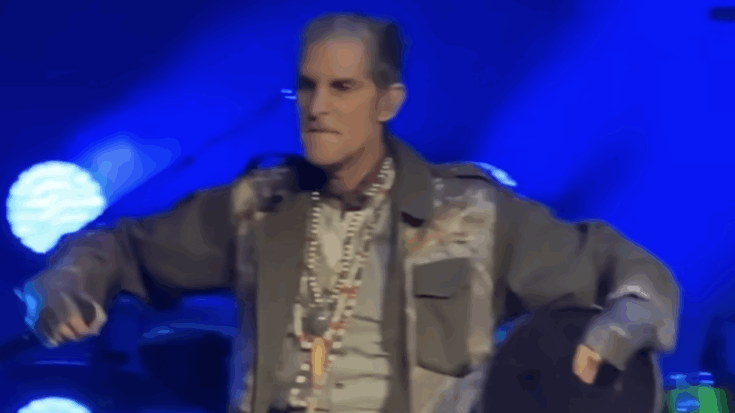
via Brooksey / youtube
The former members of Jane’s Addiction have announced that they have resolved the disputes stemming from their troubled 2024 reunion tour and will now go their separate ways, bringing a definitive close to the band’s long and influential history. In newly released statements, both sides emphasized reconciliation, reflection, and a desire to preserve the group’s legacy rather than prolong a very public conflict.
The announcement follows months of legal action and public tension after what was meant to be a celebratory return instead unraveled into one of the most dramatic chapters in the band’s career.
The Boston Incident and Its Fallout
The reunion tour came to an abrupt halt after a show in Boston, where frontman Perry Farrell physically confronted guitarist Dave Navarro on stage. The incident immediately ended the performance and soon escalated into lawsuits, with Navarro, bassist Eric Avery, and drummer Stephen Perkins suing Farrell, who responded with a countersuit. Both parties issued statements at the time that included serious accusations, further deepening the rift.
In a new joint statement, Navarro, Avery, and Perkins addressed their decision to cancel the tour and acknowledged missteps in the aftermath. “We would like to clarify the events surrounding the cancellation of the tour after the show in Boston in September 2024,” they wrote. “After that show, without notice to Perry, we unilaterally determined it would be best to not continue the tour and made inaccurate statements about Perry’s mental health which we regret.”
The trio framed the resolution as a final act of unity, despite their differences. “Today we are here to announce that we have come together one last time to resolve our differences, so that the legacy of Jane’s Addiction will remain the work the four of us created together.”
A Public Apology From Perry Farrell
Farrell, in his own statement, directly addressed the onstage confrontation and took responsibility for his actions. “I’d like to address what happened on stage last year,” he said. “I’ve reflected on it and know I didn’t handle myself the way I should have. I apologize to our patrons and my bandmates for losing my temper and for disrupting the show.”
He also spoke at length about the band’s importance to his life and identity. “Jane’s Addiction has been at the center of my life for decades,” Farrell said. “The band, the songs, the patrons and the impact that we’ve had on music and culture mean more to me than any words I could ever possibly write down.”
Reiterating his long-standing intentions as a performer, Farrell added, “My aim has always been to give our audience the best possible show, something real, honest and positive. In Boston, we fell short of that, and I’m truly sorry to everyone who was impacted. From the bottom of my heart, I want to thank each and every one of you for your continued love and support.”
Protecting a Legacy, Not Rewriting It
In their closing remarks, Navarro, Avery, and Perkins emphasized gratitude over resentment and finality over reconciliation. “We now look forward to the future as we embark on our separate musical and creative endeavors,” they wrote. “Jane’s Addiction will forever live in our hearts. We are proud of the music we created together. You, the fans, are our lifeblood, and we will always appreciate you.”
Rather than hinting at another reunion or a repaired partnership, the statements collectively suggest a conscious decision to let Jane’s Addiction exist as a completed body of work. For a band that helped define alternative rock’s artistic and confrontational edge, the ending is neither triumphant nor tragic, but reflective.
By choosing to settle their disputes and speak publicly with restraint, the members appear intent on ensuring that Jane’s Addiction is ultimately remembered for its groundbreaking music, cultural impact, and uncompromising spirit — not for the chaos of its final tour.