




How Paul McCartney Created His “Granny Music” Style
via "Kitsu Beatles" / Youtube
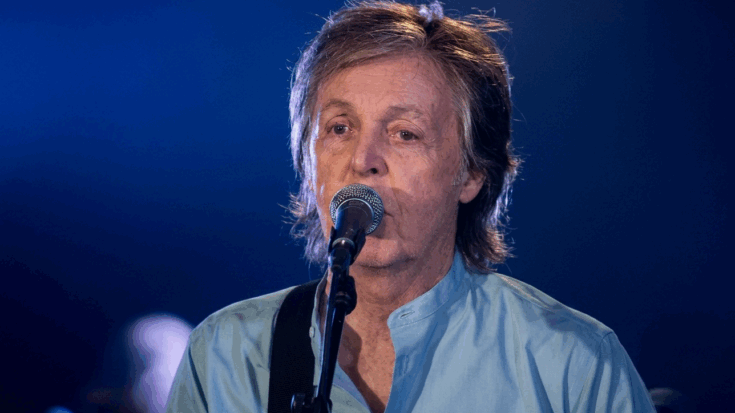
At 83, Paul McCartney remains a figure both revered and gently mythologised—equally at home onstage or imagined in a quieter setting, tea in hand, revisiting the songs that shaped his life. While the image leans into an affectionate stereotype, it also speaks to a deeper truth about one of music’s most enduring figures.
A Legacy That Defies Easy Critique
Across more than six decades, McCartney has built a catalogue and cultural influence that few artists can rival. From his formative years with The Beatles to his expansive solo career, his contribution to popular music is virtually unmatched.
Yet, even within that towering legacy, the barbed wit of John Lennon continues to echo. His description of McCartney’s style as “granny music” has endured as one of the most quoted—and debated—assessments in rock history. It was a sharp critique, but one that carried a degree of truth.
An Old Soul in a Young Industry
McCartney’s songwriting has long drawn from traditions that predate rock and roll. Influences rooted in music hall, Vaudeville, and early 20th-century popular song have consistently shaped his melodic instincts. Even as a teenager, he demonstrated this inclination, writing material that reflected a nostalgic sensibility unusual for someone so young.
In this sense, McCartney often appeared as an “old head on young shoulders,” growing into a musical identity that leaned toward the past as much as the present. While some critics framed this as out of step with rock’s rebellious image, it ultimately became one of his defining strengths.
Reframing “Granny Music”
While many of his contemporaries idolised figures such as Elvis Presley and Chuck Berry, McCartney’s influences extended further back. He has consistently expressed admiration for artists like Nat King Cole, Hoagy Carmichael, Cole Porter, and Fred Astaire—figures more closely associated with classic songwriting and theatrical performance than rock’s early rebellion.
His reasoning has always been disarmingly direct: “I love them”. For McCartney, musical appreciation is not bound by era. As he put it, “A good musician, I think, loves music… And that’s the opener. And I love certain music.” He further argued that “it doesn’t have to be music of my generation,” a sentiment that resonates in today’s era of cross-generational listening habits.
What once served as a playful jab has, over time, evolved into a point of quiet vindication. McCartney continues to embrace the styles that first inspired him, unbothered by labels or expectations. If anything, the passage of time has added an ironic twist: the audience that once laughed at the “granny music” tag has, in many cases, grown into it.