




Five Times Fans Turned Against Their Favorite Musicians
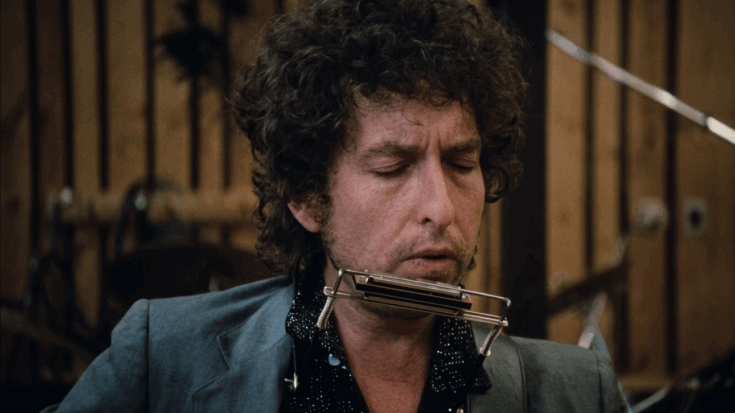
via "Bob Dylan" / Youtube
To the outside world, it may seem glamorous to be a famous musician, but life in the relentless glare of the public eye is far from simple. Every step, every song, and every decision is observed, criticized, and sometimes completely torn apart. Artists can spend years cultivating a loyal fanbase, only to watch it turn against them practically overnight. Fans may be enthusiastic, but they can also be unpredictable. One minute, they are celebrating; the next, they are criticizing or even walking away altogether. Sometimes the backlash stems from something serious, like controversial behavior. Other times, it’s simply a creative choice that didn’t meet expectations.
Musicians are still people at the end of the day. They grow, experiment, and take risks. It is reasonable to hold them accountable when they truly cross a line, but it becomes a different issue when people react negatively simply because they dislike a new direction. Art is not meant to remain the same forever, and neither are the people who create it. Yet there have been moments in music history when fan reactions have gone to extreme lengths—sometimes ruining careers, creating public discord, or even causing physical harm. These anecdotes reveal just how powerful the bond between artists and their fans can be.
1. The Clash
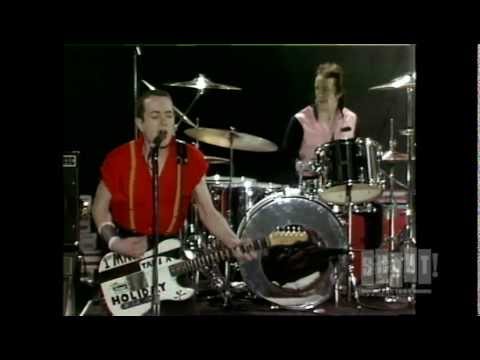
The Clash began as one of the most authentic and renowned voices in punk rock. Their early recordings captured the raw intensity and rebellious spirit that defined the genre. Fans connected deeply with their message, attitude, and sound. When they released London Calling, everything seemed to fall into place. The record was daring, inventive, and widely praised. It proved that punk could evolve without losing its edge and was considered by many to be a near masterpiece.
However, their next album, Sandinista!, changed everything. Instead of relying on past success, the band embraced experimentation. The album spanned three LPs and featured 36 tracks—far more than most listeners expected or wanted. Fans began to feel overwhelmed. Some thought the songs were rushed, while others believed the band had strayed too far from its roots. There were also accusations that the group had “sold out,” a serious charge in punk culture. Some listeners felt that frontman Joe Strummer’s lyrics lacked the depth of his earlier work and criticized him for it.
Combat Rock helped stabilize things somewhat, but the damage had already been done. By the time Cut the Crap was released, the band had lost momentum, and many fans had already disengaged.
2. Bob Dylan
There was a time when Bob Dylan seemed like the voice of a generation. As a leading figure in the early 1960s folk scene, he was known for his introspective lyrics and stripped-down performances. Fans admired him for staying true to tradition—until he didn’t. At the Newport Folk Festival in 1965, Dylan appeared with an electric guitar, which many saw as a betrayal. Folk music was expected to remain pure and acoustic, and his shift stunned audiences.
The reaction was immediate. Some booed, others condemned him, and debates spread throughout the music community. His album Bringing It All Back Home reflected this transition, blending acoustic and electric styles in a way that confused longtime fans. Despite the backlash, Dylan remained committed to his vision. In time, his decision proved pivotal, helping bridge folk and rock music and influencing countless artists. What was once controversial ultimately became a defining moment in music history.
3. Frank Zappa
Frank Zappa built his career on doing things his own way. He had little interest in playing it safe or following trends. Instead, he challenged conventions with complex compositions and an unconventional approach to music. While he frequently clashed with critics and fellow musicians, one of the most shocking incidents involving fan outrage occurred during a live concert in 1971.
Zappa was performing at London’s Rainbow Theatre when a fan suddenly rushed the stage. Without warning, the attacker pushed him off a platform, sending him into the orchestra pit below.
The fall was severe. Zappa suffered multiple injuries, including broken bones and a crushed larynx. He required an extended break from performing to recover. What made the incident even more unsettling was the unclear motive. Reports suggested jealousy or frustration, but no explanation was ever fully confirmed. It remains one of the most extreme examples of a fan turning physically violent against an artist.
4. Steve Reich
Steve Reich may not be a traditional rock star, but his influence on modern music is undeniable. His experimental style led him to create works that challenged listeners’ perceptions of rhythm and sound. Four Organs is one of his most well-known—and controversial—pieces. It is built around a single chord that gradually evolves over 16 minutes, accompanied by a steady rhythmic pulse.
When it premiered at the Guggenheim Museum in 1970, the response was positive. However, a later performance at Carnegie Hall in 1973 told a very different story.
That night, the audience’s patience wore thin. People began arguing, booing, and shouting. The tension escalated into chaos. One attendee reportedly became so frustrated that she repeatedly struck her head against the stage, begging for the performance to stop. The incident highlighted how experimental art can sometimes push audiences far beyond their comfort zones.
5. The Jesus & Mary Chain
The Jesus and Mary Chain built their reputation on chaos. Their mid-1980s performances were short, loud, and filled with feedback. They often turned their backs to the audience, creating a detached and unsettling stage presence. Initially, this unpredictability set them apart, but it quickly spiraled out of control.
In 1984, they performed with The Three Johns, and a riot broke out. The situation turned violent, and their concerts soon gained a reputation for disorder. Similar incidents followed the next year at venues like North London Polytechnic and the Electric Ballroom. Some fans began attending shows expecting chaos, which only intensified the atmosphere.
Eventually, the disorder became unsustainable. Frontman Jim Reid realized that if the band wanted to continue performing, they would need to rein things in.
These stories illustrate how complex the relationship between artists and their fans can be. Musicians pour their creativity into their work, but once it enters the world, it belongs to everyone—and everyone has an opinion. Fans often react strongly because of their deep emotional connection to the music, but expectations can sometimes overshadow appreciation.
Ultimately, these events serve as reminders that success comes with pressure and that even the most celebrated artists are not immune to criticism or rejection. At the end of the day, the best artists are often those willing to take risks—even if it means facing backlash. Without that willingness, music would never grow, evolve, or continue to surprise us as it does.