


Don Henley Refuses to Perform One Classic Eagles Song
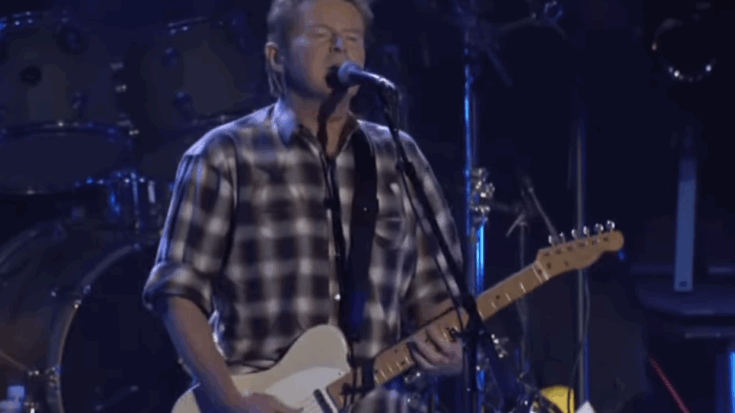
via DIGITALL RECORD/ Youtube
Don Henley and his longtime Eagles songwriting partner Glenn Frey built their reputation on an almost obsessive pursuit of perfection in the studio. Given that mindset, it’s not surprising that Henley still dwells on certain creative decisions—especially when it comes to one song he now finds difficult to hear.
Songwriters often look back with mixed feelings on their work, but most would gladly trade anything to have written a song as enduring as Desperado.
For Henley, the track marked his first official collaboration with Frey. Recalling the moment during an interview on CBS’s Sunday Morning, Henley described renting a small cabin high in Laurel Canyon, where he had an upright piano and an unfinished idea he’d been developing since the late 1960s. When Frey came by, Henley played him the fragments he had.
The song drew inspiration from the work of Stephen Foster, once among America’s most celebrated songwriters, whose music Henley remembered his grandmother singing at home. Frey immediately understood the reference and seamlessly built on it. Henley later joked that Frey earned the nickname “the Lone Arranger” because of his exceptional ability to shape songs.
That initial session laid the groundwork for a partnership that clicked almost instantly. Henley and Frey would go on to co-write numerous hits—songs that eventually became cornerstones of the Eagles’ catalog.
Recording Desperado
Producer Glyn Johns played a key role in guiding the band through their early studio years, producing their first two albums. However, tensions emerged by the time the Eagles began work on On the Border, ultimately ending that collaboration.
Looking back on the sessions for Desperado, Henley explained that Johns favored a fast, cost-conscious approach—one that aligned with both his own philosophy and the record label’s expectations. The album was completed in roughly two weeks, a pace Henley found challenging, particularly when it came time to record the title track.
Adding to the pressure was the presence of members of the London Symphony Orchestra, who were brought in to record the string arrangements. While Henley remembers them passing the time by playing chess between takes, the experience made him acutely self-conscious during his vocal sessions.
Why Henley Avoids the Song Today
Though he now appreciates the humor of those moments—and continues to praise the orchestral arrangements written by his former college classmate Jim Ed Norman—Henley wishes he’d been given more time to refine the song. Unlike the hired musicians, the track carried deep personal significance for him.
Henley estimates he only managed four or five vocal takes and still hears issues with pitch in the final recording. As a result, he avoids listening to the song altogether.
Stepping Away From Listening
Henley also admits that he rarely listens to his own music anymore. Having performed the same songs night after night for decades, he doesn’t feel much urge to revisit them. When he does listen to music, it’s more likely to be classical recordings, audiobooks, or an occasional spin of the radio.
When he does revisit old recordings, however, the memories—and the imperfections—return immediately. “I hear the flaws,” Henley says, along with all the moments he wishes he could have revisited or done differently.