


Classic 1970 Rock Concerts Fans Still Talk About Today
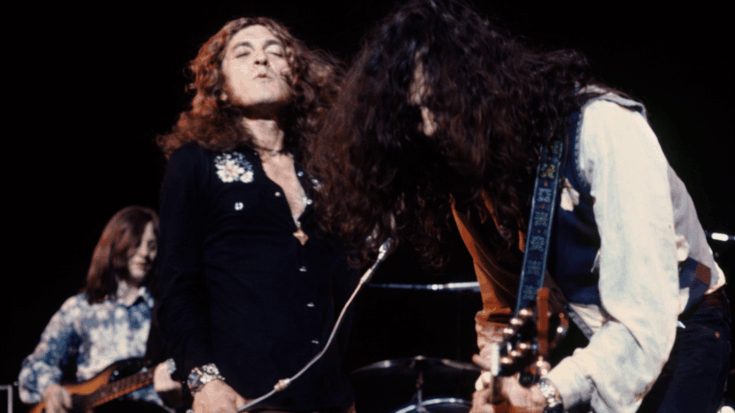
via Led Zeppelin / Youtube
People in 1970 didn’t just listen to rock music—they felt it. Before streaming apps, social media, and other modern distractions, music played a much larger role in daily life. For many young people, it wasn’t just entertainment—it was their life. Music influenced how they dressed, how they thought, and even how they saw the world. Concerts, especially rock concerts, were more than just events. They were places where like-minded people could come together and find freedom, connection, and a break from societal expectations. At these concerts, fans could let go, feel appreciated, and share meaningful experiences with others.
People primarily listened to music on the radio and on vinyl records, so live concerts carried much greater importance. Seeing a band perform live wasn’t just exciting—it was unforgettable. Some of the most iconic concerts in history took place in 1970, a time when rock music was evolving into darker, more experimental sounds.
The Who, Live at Leeds (1970)
In early 1970, The Who performed a show that would set the standard for live rock albums. Recorded at a university in England, the performance captured the band at the height of their creativity and confidence. Their ambitious projects had already gained attention, but this concert proved they could deliver that same intensity on stage.
The performance was loud, raw, and completely honest. The band deliberately left imperfections, allowing listeners to feel as though they were truly there. The setlist featured high-energy versions of their biggest hits, along with powerful covers of classic rock songs.
What truly made the show stand out was the band’s relentless intensity. Their reputation for explosive performances was on full display, and the audience embraced every moment. Even today, many fans consider it one of the greatest live recordings ever made.

Fillmore East, The Grateful Dead (February 1970)
The Grateful Dead were never known for simplicity. Their live shows were expansive, unpredictable, and deeply immersive. One unforgettable night at Fillmore East perfectly demonstrated why their concerts became legendary.
Rather than performing a single set, the band played multiple sets that shifted between acoustic and electric styles. The music flowed effortlessly, creating an atmosphere that felt both intimate and powerful. The audience wasn’t just watching—they were participating in a shared experience.
A defining feature of the performance was the band’s willingness to stretch songs far beyond their studio versions. Some tracks evolved into extended jams lasting over half an hour. This gave each musician space to experiment, ensuring that no two performances were ever the same. For many fans, this night represents the Grateful Dead at their peak—innovative, fearless, and deeply connected to their audience.

Atlanta Pop Festival (July 1970)
One of the most remarkable events of the era was the Atlanta Pop Festival in the summer of 1970. Originally planned as a ticketed event, the overwhelming number of attendees forced organizers to open the gates for free. Hundreds of thousands of people gathered for a weekend of music and celebration.
The festival featured some of the biggest names in music, each bringing their own unique style to the stage. One of the standout performances came from a legendary guitarist, who played in front of the largest crowd of his career. His set was bold, emotional, and unforgettable.
His rendition of the national anthem became one of the festival’s defining moments—creative, powerful, and deeply expressive. Given the social climate of the time, the performance carried meaning far beyond the music itself.

Isle of Wight Festival (August 1970)
The Isle of Wight Festival became one of the largest music events ever held in the UK. What began as a modest gathering quickly evolved into a massive cultural phenomenon. By 1970, it attracted hundreds of thousands of attendees.
The lineup featured renowned artists from a wide range of genres, making it one of the most diverse events of the year. Rock bands delivered unforgettable performances, while other acts added depth and variety to the festival.
While its sheer scale made it historic, what truly set it apart was the quality of the performances. For many fans, it represented the peak of the festival era—a time when music could unite massive crowds in a shared experience.

Led Zeppelin at the Royal Albert Hall (1970)
By 1970, Led Zeppelin were rapidly becoming one of the most influential bands in rock. Their performance at London’s Royal Albert Hall demonstrated exactly why.
Taking the stage with confidence, the band delivered a set that showcased their growing dominance. The performance lasted over two hours and featured powerful riffs, extended jams, and electrifying energy. From the opening note to the final encore, they held the audience completely captivated.
The historic venue added another layer of significance to the performance. Although the footage wasn’t released until years later, it remains one of the finest glimpses of the band during their early peak.

Creedence Clearwater Revival, Royal Albert Hall (April 1970)
Creedence Clearwater Revival brought a roots-driven sound that stood apart from many of their contemporaries. In 1970, they took that sound internationally, proving its universal appeal with a standout performance in London.
The band delivered a tight, professional set filled with their biggest hits. Their precision highlighted their musicianship, while extended sections added a sense of spontaneity.
For years, the concert was misunderstood due to confusion with another recording. When the correct version was finally released decades later, fans were able to experience it as intended. Today, it stands as one of the band’s strongest live performances.

Bath Festival of Blues and Progressive Music (1970)
Although it didn’t receive as much attention as other festivals, the Bath Festival remains a cherished memory for those who attended. Its lineup combined established artists with emerging talent, creating a unique and dynamic event.
One of the most notable performances came from a rising band whose extended set included new material that would later become fan favorites. The audience’s enthusiastic response reflected the band’s growing popularity.
Another highlight was a late-night performance that stretched into the early morning hours. The unusual timing added to the atmosphere, giving the set a dreamlike quality. Even though recordings are scarce, the festival lives on through the memories of those who experienced it.

Festival Express Tour, Canada (1970)
The Festival Express was unlike any other music event of its time. Instead of being held in one location, it traveled across Canada by train, bringing artists and fans together in a unique way.
Concerts were held in multiple cities along the route, but what made the tour truly special were the moments between performances. Musicians gathered on the train to jam informally, creating spontaneous and collaborative experiences.
These unscripted sessions captured the spirit of the era—creative, free, and deeply collaborative. While the concerts themselves were memorable, it was the sense of community that defined the experience. A documentary released years later helped preserve this remarkable chapter in music history.

Black Sabbath at L’Olympia, Paris (December 1970)
Black Sabbath were pioneering a darker, heavier sound, and their 1970 performance in Paris showcased its full power. The band delivered an intense set of early material that would go on to influence generations of musicians.
Their sound was raw and heavy, setting them apart from many of their peers. Although the performance was rough around the edges, that very rawness added to its authenticity.
Fans have circulated recordings of the show for years, and many regard it as one of the band’s most compelling early performances.

Tanglewood, Chicago (1970)
Chicago blended jazz and rock in a way that reshaped the genre. Their 1970 performance at Tanglewood highlighted their unique style and musical versatility.
The band moved effortlessly between soft, melodic passages and energetic, upbeat sections. Their use of horns added richness and complexity, distinguishing them from other rock acts.
Although they were still establishing their reputation, this performance demonstrated that they were ready for wider recognition. Audiences were impressed by their tight musicianship and cohesive sound. It remains a strong example of how rock can successfully incorporate multiple styles.

Derek and the Dominos, Lyceum Theatre (1970)
Some of the greatest concerts are those that can never be revisited. That was the case with Derek and the Dominos’ early performance in London.
Formed by a renowned guitarist seeking a fresh start, the band made their debut at a charity event. The audience had little idea of what to expect, which added to the excitement.
The performance marked the beginning of something new, but the band’s lifespan was short. Lineup changes followed, and they disbanded soon after. Adding to the mystique, no recordings of the concert exist. For those in attendance, it remains a once-in-a-lifetime experience.

What Was So Great About 1970?
Looking back, it’s impossible to determine which concert in 1970 was truly the “best.” Music isn’t something that can be easily measured or ranked.
What set these performances apart wasn’t just technical skill—though there was plenty of that. It was the feeling, the energy, and the connection between artists and their audiences.
Each show offered something unique. Sometimes it was the power of a massive crowd singing along. Other times, it was a band pushing itself to the limit on stage. These concerts represent a time when rock music was evolving rapidly and making a profound impact on people’s lives.
More than 50 years later, their influence still resonates. People continue to listen to, watch, and talk about these performances—not just because of the music, but because of what they represented. They weren’t just concerts; they were defining moments that helped shape a generation.