



Released 59 Years Ago, One Beatles Song Remains the Gold Standard of Psychedelic Rock
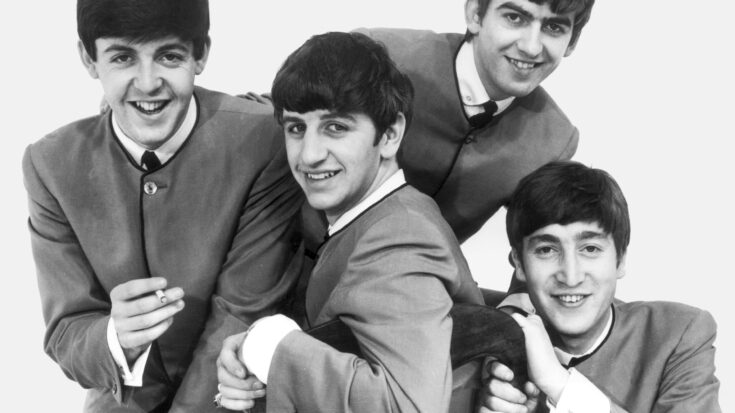
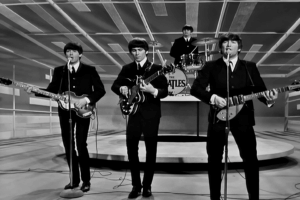
Photo by Dezo Hoffmann, Distributed by Capitol Records, Public domain, via Wikimedia Commons.
A Song That Changed the Band’s Direction
“Tomorrow Never Knows” closes The Beatles’ seventh studio album, Revolver, but it was the first track recorded for the album in 1966. From the start, it pointed the group toward a new sound. The song marked a clear break from their earlier pop style and showed how far they were willing to push studio limits.
The track helped shape a more complex phase for the band and hinted at ideas later expanded on Sgt. Pepper’s Lonely Hearts Club Band. With unusual sounds, abstract lyrics, and bold production, it reshaped how psychedelic music could work in popular records. The song also helped move The Beatles from hitmakers to artists taken seriously.
View this post on Instagram
John Lennon’s Concept Takes Shape
Although credited to Lennon-McCartney, the song mainly came from John Lennon. He often spoke about the influence of an LSD experience, but the deeper source was what he was reading at the time. According to Peter Brown and Steven Gaines in The Love You Make: An Insider’s Story of The Beatles, Lennon drew from the Tibetan Book of the Dead, a text focused on awareness, life, and death.
Lennon’s idea became a shared effort once the band came together. George Harrison brought in ideas from Indian music, shaping the drone-based structure. The song sits on a single chord, which was uncommon in rock then. This allowed texture and rhythm to take center stage instead of melody.
Rhythm and Group Experimentation
Ringo Starr’s drumming played a major role in the song’s feel. Musicologist Russell Reising described the part as one that “consists of a kind of stumbling march, providing a bit of temporal disruption … [The] first accent of each bar falls on the measure’s first beat and the second stress occurs in the second half of the measure’s third quarter, double sixteenth notes in stuttering pre-emption of the normal rhythmic emphasis on the second backbeat—hardly a classic rock and roll gesture.”
Starr’s approach showed how open the band was to change. He stepped away from standard rock patterns and helped build something unfamiliar. This shift did not come from one person alone. Each member contributed ideas that pushed the song further from tradition and closer to experimentation.
Studio Tricks and Lasting Influence
Paul McCartney’s interest in musique concrète also shaped the track. He admired composer Stockhausen and wanted to explore tape effects. The band used reversed sounds, altered speeds, and layered recordings. One guitar part was recorded backward, creating a swirling sound that felt unsettling on first listen.
The Beatles’ website notes that “The song has a vocal put through a Leslie speaker cabinet (which was normally used as a loudspeaker for a Hammond organ) and uses automatic double tracking (ADT) to double the vocal image,” and that it “is also one of the first uses of a flanging effect on any instrument.” Another key sound, often thought to be a seagull, is actually a sped-up sample of McCartney laughing. By turning something familiar into something strange, the band blurred reality and imagination, defining psychedelic rock for years to come.