




7 Tracks That Could Fool You Into Thinking They’re Beatles Songs
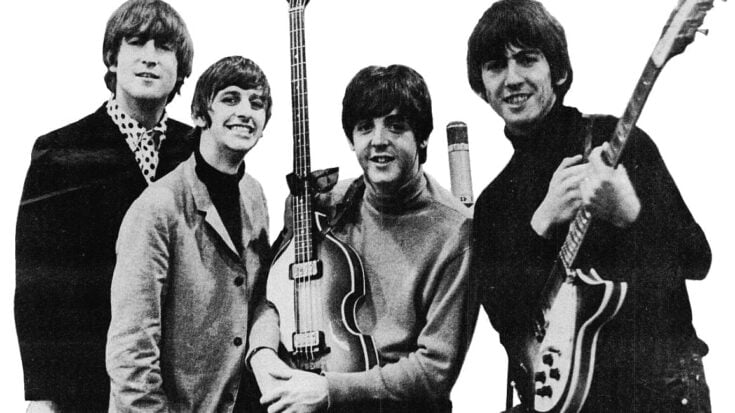
Photo by EMI, Public domain, via Wikimedia Commons.
When The Beatles split in 1970, their sound did not disappear. It spread. Songwriters across decades absorbed their melodies, harmonies, and studio ideas, then filtered them through new styles. Some tracks lean so closely into that influence that they can momentarily fool even careful listeners. These songs do not copy The Beatles outright. Instead, they echo familiar traits like chiming guitars, warm harmonies, and playful structure. Here are seven tracks that feel uncannily close to the Beatles spirit, even though they were released by very different artists.
“Wonderwall” – Oasis
Oasis built their career on open admiration for The Beatles, and “Wonderwall” shows that clearly. The song relies on a simple chord pattern, steady rhythm, and a melody that feels instantly familiar. Liam Gallagher’s flat but emotional delivery recalls John Lennon’s direct vocal style.
The track also uses layered acoustic textures instead of flashy production. Its appeal comes from mood rather than complexity, much like many late Beatles songs. While the lyrics are vague, the feeling is strong, which is a trick The Beatles often used to pull listeners in without explaining everything.

“Sowing the Seeds of Love” – Tears for Fears
This song sounds like a full tribute to the Sgt. Pepper era. From the opening brass blasts to the swirling harmonies, it feels built inside a colorful studio experiment. The shifts in tempo and style mirror how The Beatles liked to surprise listeners within one track.
Released in 1989, it reached No. 5 on the Billboard Hot 100. Beneath the layered sound, the melody stays catchy and clear. That balance between bold production and pop clarity is what makes it feel so close to classic Beatles work.

“September Gurls” – Big Star
Big Star’s power-pop classic carries the DNA of Revolver-era Beatles. The song shines through bright guitar tones and stacked harmonies that feel effortless. Nothing about it sounds forced or overworked.
Released in 1974, the track became more influential over time. Its clean structure and warm hooks feel timeless. Like many Beatles songs, it sounds joyful and slightly bittersweet at once. That emotional mix is what gives it lasting pull and keeps listeners coming back.

“If You Want My Love” – Cheap Trick
Cheap Trick always balanced hard rock with pop roots, and this song leans heavily into melody. The chorus bursts with layered vocals that feel lifted from mid-period Beatles records. Each line feels designed to stick.
The production keeps things sharp but not heavy. Instead of speed or volume, the song focuses on vocal blend and rhythm. That choice makes it feel closer to British pop than American arena rock, even though it came from a band known for loud live shows.

“Mr. Blue Sky” – Electric Light Orchestra
Jeff Lynne built ELO around his love of The Beatles, and “Mr. Blue Sky” is the clearest result. The song moves through sections with smooth transitions, stacking vocals and strings in a playful way.
Its upbeat tone and sunny melody recall songs like “Good Day Sunshine.” The production feels busy but controlled, with every sound placed carefully. That studio precision mixed with pure pop joy is what often makes listeners think of The Beatles first.
“Come and Get It” – Badfinger
This one almost does not count, because Paul McCartney wrote it. Still, it fooled plenty of listeners. Badfinger recorded the song exactly as McCartney demoed it, following his instructions closely.
Released in 1969, it sounds like a finished Beatles track with a different voice. The bounce, phrasing, and chord choices all carry McCartney’s touch. It proves how strong the Beatles style was, even when performed by another band.

“New York Mining Disaster 1941” – Bee Gees
Early Bee Gees often drew comparisons to The Beatles, and this song caused real confusion. Some radio listeners believed it was a secret Beatles release.
George Harrison once admitted he bought it thinking the same thing. The soft harmonies, acoustic feel, and reflective tone match early Beatles ballads closely. It shows how a shared approach to melody and harmony can blur identities, even between major bands.