




5 Songs From 1967 That Changed Rock Music Forever
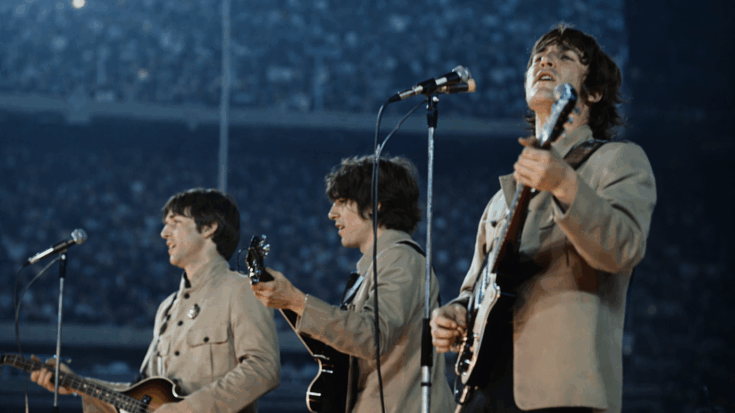
via "The Beatles" / youtube
The music of 1967 not only reflected the times, but it also helped shape the future of rock. That year was a turning point for musicians, who pushed themselves to write and play in new ways. Psychedelic rock became a vibrant and colorful style. Progressive rock began to emerge with bigger, more daring ideas. Soul and R&B started to address social issues more directly. At the same time, experimental and underground music began to carve out its own niche.
These songs still sound fresh, even after all this time. Their themes of identity, independence, love, confusion, and rebellion remain important today. Rather than fading away, they continue to influence modern music and culture. Each of the tracks below highlights a different side of the creative explosion that took place in 1967 and shows how that year transformed the sound of rock music.
1. “Venus in Furs” by The Velvet Underground
“Venus in Furs” is one of the most daring and unsettling songs of the 1960s. Much of the music in 1967 focused on peace, love, and psychedelic experiences, but this song stood apart. It was darker, stranger, and far more provocative.
The song begins with a steady, droning sound that places the listener in a trance. The viola creates an almost eerie tone, while the guitar adds to its unsettling atmosphere. Rather than following a traditional melody, the song moves like a slow, heavy trance. It doesn’t aim to be catchy; instead, it pulls the listener into its world. The lyrics explore themes that were rarely discussed at the time, examining power, control, and desire in a way that shocked many, especially since they were inspired by a controversial novella. That is what made it so distinctive—it wasn’t trying to fit in, but to say something new.
The band’s debut album did not sell well upon its release, but its influence grew over time. Many musicians who discovered it were inspired to form their own bands, particularly those outside the mainstream. The famous remark, “Everyone who bought one of those records started a band!” captures this impact perfectly. “Venus in Furs” helped open the door for punk, alternative, and other underground genres. Its raw, experimental energy still resonates in music today, proving that being different can shape the future more than fitting in.

2. “Nights in White Satin” by The Moody Blues
If “Venus in Furs” represents the underground edge of 1967, then “Nights in White Satin” signals the beginning of something grander and more emotional. The song introduced listeners to a more orchestral and layered style of rock that would later be known as progressive rock.
It begins quietly, with delicate sounds that gradually build into something powerful and expansive. The strings add drama, while the vocals convey a deep sense of longing. The lyrics tell a story of love, regret, and emotional vulnerability that resonates with many listeners.
The song came from a humble and personal moment. “I sat on the side of the bed and wrote the two verses,” the songwriter explained. “I was at the end of one big love story and the start of another.” Its emotional strength comes from the blend of melancholy and hope. What also set the song apart was how it contributed to a larger artistic vision. The album it appeared on was designed as a concept album representing the passage of a day. “He came up with the idea to make it a concept album about a day and night,” the band noted. This approach became one of the defining elements of progressive rock—telling a broader story across an entire album.
Of course, early progressive rock did not always succeed. Some songs could feel overly serious or indulgent. But when it worked, as it does in “Nights in White Satin,” the result was timeless. Its sincerity and sweeping sound have kept it relevant for decades, and it remains just as powerful today as when it was first released.

3. “Respect” by Aretha Franklin
“Respect” was more than just a hit in 1967—it was a powerful statement. In a remarkable performance, Aretha Franklin transformed an already existing song into something entirely her own, giving it new meaning and a stronger voice.
At its core, the song is about self-worth and dignity. Franklin’s version expanded that message, turning it into an anthem for women and the civil rights movement. When she spells out the word in the chorus, it becomes more than a catchy hook—it is a direct and unmistakable demand.
The song had originally been written and recorded by another artist, but Franklin shifted its perspective and added emotional depth. Her changes gave the song a sense of authority that deeply resonated with listeners. At a time of social tension in the United States, “Respect” quickly became a symbol of empowerment and unity. It topped the charts, but its significance went far beyond commercial success. It gave a voice to those who felt unheard.
Over the years, the song has continued to inspire artists across many genres. Its message remains relevant, especially as people continue to fight for equality and recognition. “Respect” proves that music can do more than entertain—it can challenge, inspire, and bring people together. That is why it remains one of the most important songs not only of 1967, but of all time.

4. “A Day in the Life” by The Beatles
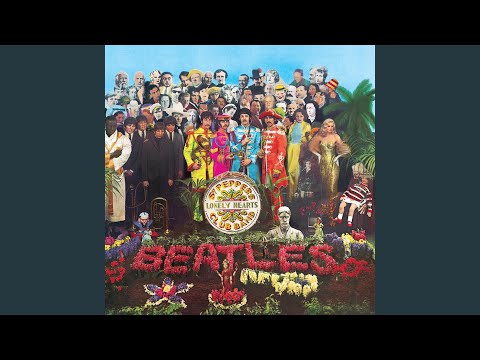
By 1967, The Beatles were already one of the most famous bands in the world. However, they did not rely on their success—they continued to experiment and push creative boundaries. “A Day in the Life” stands as one of their most ambitious and unforgettable achievements.
The song closes their landmark album and unfolds like a surreal journey through everyday life. It begins quietly and reflectively, then gradually expands into something larger and more chaotic.
“I read the news today, oh boy,” the opening line sets the tone for a series of observations that feel both personal and universal. While some listeners find the lyrics abstract, they are rooted in real events and genuine emotions. The song’s power lies in its blending of reality and dreamlike imagery.
Structurally, it breaks away from conventional songwriting. Instead of a typical verse-chorus format, it moves through distinct sections connected by dramatic orchestral crescendos. These moments create a sense of tension and release that elevates the song’s impact.
Another memorable line, “I’d love to turn you on,” has been interpreted in many ways, adding another layer of meaning—whether it suggests awareness, connection, or something more ambiguous. Though it was not initially released as a major single, “A Day in the Life” has become one of the band’s most celebrated works. Its influence can be heard in countless artists who followed, particularly those willing to take creative risks. The song does more than tell a story—it creates an experience, which is why it continues to endure.
5. “White Rabbit” by Jefferson Airplane
“White Rabbit” captures the psychedelic spirit of 1967 without relying on typical musical excess. There are no extended jams or overwhelming effects. Instead, the song builds gradually, drawing the listener in with its steady, hypnotic rhythm.
Its structure is simple but effective. The bass and drums maintain a marching pulse, while the guitar adds a subtle Spanish influence. The vocals stand at the forefront, delivering the message with clarity and intensity. The lyrics are filled with references to well-known literary works, particularly the surreal world of Alice in Wonderland. Lines such as “One pill makes you bigger / And one pill makes you smaller” suggest deeper ideas about perception, choice, and curiosity.
While the imagery may seem dreamlike, the message goes beyond that. As the songwriter later explained, “Feed your head” is a call to think critically and remain aware. It is not just about escape, but about understanding.
Despite—or perhaps because of—its uniqueness, the song became a major hit. Many listeners did not immediately grasp its meaning, but they connected with its underlying message. Over time, “White Rabbit” has become a cultural touchstone, interpreted in many different ways. At its core, it encourages open-mindedness and intellectual exploration. It remains one of the defining songs of its era and continues to show how music can provoke thought as well as emotion.

Why 1967 Still Matters
Looking back, it is clear that 1967 was not just another year in music—it marked a profound shift. Artists were no longer confined to established formulas; instead, they explored new ideas, emotions, and sounds.
“Venus in Furs” is experimental, “Nights in White Satin” is grand, “Respect” delivers a powerful message, “A Day in the Life” is innovative, and “White Rabbit” is hypnotic. Together, these songs demonstrate how music evolves when artists take risks and challenge conventions. They also prove that truly great songs do not fade—they grow richer over time, gaining new meaning with each generation.
Nearly sixty years later, these songs still resonate. They remind listeners of where rock music has been and continue to inspire where it might go next.