5 Classic Rock Songs Boomers Will Never Forget

via "Bruce Springsteen" / Youtube
People born between 1946 and 1964, known as baby boomers, didn’t simply grow up with music—they grew up alongside it. Their lives were in sync with some of the most important sounds ever recorded. The music of their generation evolved constantly, much like the world around them. It moved from rock and roll in the 1950s to arena rock in the 1970s.
It’s important to note, however, that boomers are not all the same. There are two distinct waves. The first group consists of those born between 1946 and 1954, who came of age during the turbulent 1960s. The second group, commonly nicknamed “Generation Jones,” includes those born between 1955 and 1964, who reached adulthood in the more reflective and experimental 1970s.
To fully represent what mattered to boomers, the music must reflect key cultural changes. This includes early rock bands, the British Invasion, protest songs tied to social movements, and the powerful, booming sounds that later filled stadiums. Narrowing it down is no easy task, but these five songs serve as strong examples of the generation’s journey.
1. “Hound Dog” by Elvis Presley
For early boomers, rock music often began with one name: Elvis Presley. It’s difficult to choose just one of his songs, but “Hound Dog” stands as a defining moment in their musical awakening. Released in 1956 alongside “Don’t Be Cruel,” the track is full of energy—fun, infectious, and impossible not to dance to. It captured the rebellious spirit that made rock ’n’ roll feel fresh and exhilarating. Elvis blended country, blues, and gospel into something entirely new that resonated with a wide audience.
His performances made an even greater impact. At the time, many criticized his stage movements as too suggestive for younger audiences. One story even claims his dancing nearly got him into trouble for “impairing the morality of minors,” highlighting how controversial he seemed. Yet the music spoke louder than the criticism. Songs like “Hound Dog” helped shape the future of rock. While Elvis possessed unmatched charisma, other artists like Chuck Berry and Little Richard were also transforming the sound. His looks, charm, and confidence made him more than just a vocalist—they made him an icon.
The songwriters also deserve recognition. Jerry Leiber and Mike Stoller reportedly composed it in “like twelve minutes,” proving that timeless music can come together quickly. For boomers, “Hound Dog” was more than a hit—it marked the beginning of a cultural shift and introduced a new kind of music they would carry with them for life.

2. “I Want to Hold Your Hand” by The Beatles
By the early 1960s, rock music was already gaining momentum, but no one was prepared for what came next. When The Beatles arrived, everything changed, and “I Want to Hold Your Hand” became one of the clearest examples of that transformation.
The song played a major role in launching Beatlemania worldwide. Fans screamed, cried, and filled venues like never before. It wasn’t just the music—it was the atmosphere the band created. The song may seem simple, but its charm is undeniable. Lines like “And when I touch you, I feel happy inside” perfectly capture the excitement and innocence of young love, making it universally relatable. Its unforgettable melody ensured it stayed in listeners’ minds.
At the same time, the band was doing far more than writing catchy songs. They were pushing the boundaries of recording, experimenting with album formats, and reshaping popular music. Though the song sounds straightforward, it was part of a much larger movement. There was also a strategy behind it—their manager encouraged them to break into the U.S. market by writing a song tailored for American audiences. It took a few attempts, but once they succeeded, everything changed. The Beatles became unavoidable, redefining what success looked like in music. For boomers, this song marked the beginning of something entirely new.
3. “For What It’s Worth” by Buffalo Springfield
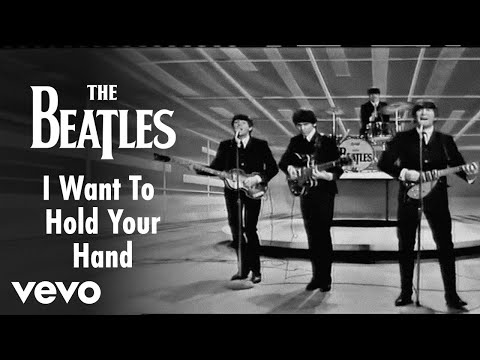
As the 1960s progressed, the mood began to shift. Early optimism gave way to tension and uncertainty. Major events—assassinations, protests, and war—shook society, and music evolved in response. Buffalo Springfield’s “For What It’s Worth” captured that atmosphere with striking clarity. Released in 1967, it quickly became one of the era’s defining songs.
Its opening line says it all: “There’s something going on here, but it’s not clear what it is.” Those words reflected the confusion many people felt at the time. The music itself is calm, almost soothing, yet an undercurrent of anxiety runs through it. That contrast resonated deeply with listeners. It felt like a quiet reflection amid chaos. The song didn’t shout—it invited contemplation.
Interestingly, it wasn’t originally intended to represent an entire movement. The songwriter was inspired by a specific moment. While walking along the Sunset Strip, he witnessed a tense scene in which “three busloads of Los Angeles police” moved in on a group of young protesters. Motivated by what he saw, he wrote the song in about 15 minutes. Over time, its meaning expanded beyond that moment, becoming closely associated with the broader counterculture and a growing demand for change. For boomers, it served both as a reflection of their experiences and a call to remain aware of the world around them.
4. “Stairway to Heaven” by Led Zeppelin
By the early 1970s, rock music had grown bigger, louder, and more ambitious. “Stairway to Heaven” by Led Zeppelin is one of the clearest examples of that evolution. Although it was never released as a single, it gained massive popularity through radio play and word of mouth, eventually becoming one of the most iconic rock songs of all time.
At first, it may seem unconventional. The track runs over eight minutes and doesn’t follow a standard structure. It begins softly with an acoustic introduction before gradually building into something powerful and electric. Instead of adhering to a traditional format, each section flows into the next, creating a sense of progression. Ironically, the very elements that could have worked against it—its length, structure, and gradual buildup—are what made it feel epic. Listeners didn’t just hear it; they experienced it.
The guitar solo became a defining example of technical brilliance during the era. The song also gained mystique through stories about its creation, including claims that it was written in a remote Welsh cottage. For Generation Jones, this marked a turning point. Rock was no longer just about rebellion—it became a vehicle for exploration and artistic scale. “Stairway to Heaven” demonstrated how far the genre could go, both creatively and emotionally.
5. “Born to Run” by Bruce Springsteen
As the 1970s continued, the mood shifted once more. The idealism of the 1960s began to fade, replaced by a more grounded and sometimes disillusioned perspective. Enter Bruce Springsteen. Released in 1975, “Born to Run” became an anthem for those searching for something more. It spoke directly to young people trying to find their place in a changing world.
The song is filled with vivid imagery of escape, hope, and struggle. Lines like “The highways jammed with broken heroes / On a last chance power drive” and “Together we could break this trap / We’ll run ’til we drop, baby we’ll never go back” capture the restless spirit of youth. Another powerful line—“Oh, baby this town rips the bones from your back / It’s a death trap, it’s a suicide rap”—adds urgency and desperation. Sonically, the track feels larger and more polished than earlier rock recordings, hinting at the grand production styles that would define the 1980s.
What makes the song especially impactful is its personal nature. Springsteen wrote it during a time when he felt trapped and eager to escape. That authenticity makes it deeply relatable. Listeners didn’t just hear a story—they saw themselves in it. For younger boomers, “Born to Run” became a symbol of hope, suggesting that even in difficult circumstances, forward movement is always possible.

A Sound-Defined Generation
Taken together, these five songs do more than entertain—they tell the story of a generation: its beginnings, its struggles, its aspirations, and its evolution.
Elvis Presley brought new energy to music, The Beatles transformed the global landscape, Buffalo Springfield reflected social unrest, Led Zeppelin expanded rock’s scale and ambition, and Bruce Springsteen told deeply personal stories. Each song captures a moment in time. More importantly, they demonstrate how music evolves alongside the people who create and listen to it.
For boomers, these songs were not just background noise—they were part of their identity. Their impact continues to resonate today, reminding listeners of rock’s roots and why it still matters.