




10 Musicians from Classic Rock Who Also Acted in Movies
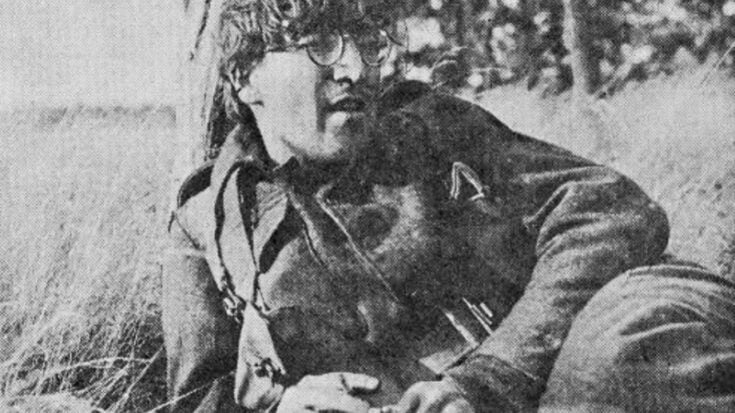
Photo by Unknown photographer, Public domain, via Wikimedia Commons
Classic rock stars were not content to stay on stage. Many of them stepped into film roles, sometimes by surprise, sometimes with serious training behind them. These musicians brought their presence, voice, and attitude into movies that ranged from major studio releases to cult classics. Some acted once and moved on, while others built long screen careers alongside music. Below are ten classic rock figures who crossed into acting, each leaving a clear mark on film in very different ways.
John Lennon
John Lennon became the first Beatle to take on a proper acting role when he appeared in How I Won the War in 1967. Directed by Richard Lester, the film cast Lennon as Private Gripweed, a dry and detached soldier.
The role showed a different side of Lennon, far from pop stardom. He never acted again in a major role, but the experience stayed with him. During filming, he began shaping ideas that later became “Strawberry Fields Forever.”

David Bowie
David Bowie had training in mime and drama before his music career took off. He appeared in short films and stage work before landing his first major movie role in The Man Who Fell to Earth in 1976.
That performance led to more film work, including The Hunger, Merry Christmas Mr. Lawrence, and Labyrinth. Bowie moved easily between music and film, often choosing roles that matched his changing public image.

Roger Daltrey
Roger Daltrey took the lead role in Tommy in 1975, based on The Who’s rock opera. Because his character was deaf, blind, and mute, much of his acting relied on physical movement rather than dialogue.
Later that year, he starred in Lisztomania, which demanded more spoken lines. Daltrey also appeared in McVicar and family dramas, showing a steady acting range beyond his stage persona.

Mick Jagger
Mick Jagger made his film debut as outlaw Ned Kelly in 1970, but his most famous role came the same year in Performance. The film leaned heavily on his image as a troubled rock star.
Jagger later appeared in films such as Freejack, Bent, and The Burnt Orange Heresy. Though acting was never his main focus, directors continued to seek his presence on screen.

Sting
Sting first appeared in Quadrophenia as the “Ace Face,” a role that played against his clean public image. The part helped push the film’s story and left a strong impression.
He followed this with roles in Brimstone & Treacle and Dune. Through the 1980s and 1990s, Sting appeared in films that balanced drama, fantasy, and crime.

Iggy Pop
Iggy Pop brought his unpredictable style into movies like Cry-Baby and The Crow: City of Angels. His screen roles often leaned into his outsider image.
He also worked with director Jim Jarmusch in Coffee and Cigarettes. Iggy’s acting choices mirrored his music career, favoring strange, offbeat projects over mainstream leads.

Gene Simmons
Gene Simmons first appeared on screen with KISS in Phantom of the Park. While the film gained a poor reputation, Simmons continued acting afterward.
He played villains and supporting roles in movies like Runaway and Trick Or Treat. His acting style matched his larger-than-life stage character.

Meat Loaf
Meat Loaf came from musical theater and joined The Rocky Horror Show before appearing in the film version as Eddie. That role made him a cult favorite.
He later acted in Fight Club, Wayne’s World, and Spice World. His film roles often added humor and weight, matching his powerful musical presence.

Ringo Starr
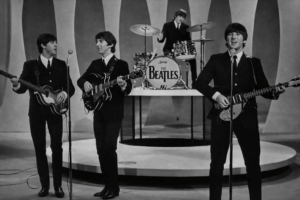
Ringo Starr’s acting career began with The Beatles’ films, especially A Hard Day’s Night. His natural humor quickly stood out to audiences.
He later starred in The Magic Christian, That’ll Be the Day, and Caveman. Acting remained a steady side path throughout his post-Beatles years.

David Johansen
David Johansen, frontman of the New York Dolls, became widely known to movie fans through Scrooged. He played the Ghost of Christmas Past.
He also appeared in comedies like Mr. Nanny and films such as Freejack. Johansen moved easily between music, acting, and later television work.