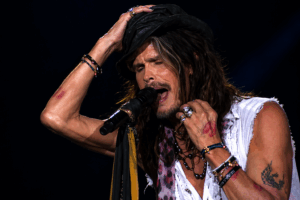





5 Reasons Roger Waters Fans Turned Against Him

For decades, Roger Waters was revered as one of rock’s most brilliant and outspoken figures. As the principal songwriter behind many of Pink Floyd’s most iconic albums, Waters built a reputation as a fearless critic of power, war, and injustice. But in recent years, that reputation has become increasingly complicated.
While many fans still admire his music and activism, others have grown frustrated or even alienated by some of his statements and actions. For a portion of the audience that once idolized him, admiration gradually turned into disappointment.
Here are five reasons why some fans began turning against Roger Waters.
1. Political Statements That Divided His Audience
Waters has never been shy about sharing his political views. Throughout his career, he has spoken openly about war, government policies, and global conflicts. For many fans, this outspoken nature was once part of his appeal.
However, as the years went on, his political commentary became increasingly polarizing. Statements about international conflicts, Western governments, and global institutions sparked controversy and intense debate online.
Some fans appreciated his willingness to speak out, but others felt his views had become too extreme or one-sided, turning concerts and interviews into political battlegrounds rather than musical experiences.
2. Controversial Comments About Ukraine and Russia
One of the biggest turning points came when Waters made public comments about the Russia–Ukraine war. In interviews and public statements, he criticized NATO and Western governments while calling for negotiations with Russia.
These remarks triggered backlash across social media and among some longtime listeners. Critics accused him of echoing talking points sympathetic to the Kremlin, while supporters argued that he was advocating for peace and diplomacy.
Regardless of perspective, the controversy pushed many fans into heated arguments and deepened divisions within his audience.

3. Long-Running Feud With David Gilmour
The decades-long feud between Waters and fellow David Gilmour has also frustrated fans of Pink Floyd.
Since Waters left the band in 1985, public disputes between the two musicians have repeatedly resurfaced. Interviews, social media posts, and statements from both camps have kept the tension alive for decades.
Many fans had hoped the surviving members would eventually reconcile, especially following occasional reunions. Instead, the ongoing hostility has sometimes overshadowed the band’s legacy, leaving parts of the fanbase exhausted by the drama.
4. Re-Recording Pink Floyd Material
In 2023, Waters released a re-recorded version of The Dark Side of the Moon, the legendary 1973 album originally created by Pink Floyd.
Waters described the project as a reinterpretation that highlighted the album’s themes in a new way. But for some listeners, the decision felt unnecessary—or even disrespectful to the collaborative nature of the original recording.
While others praised the artistic experiment, critics argued that revisiting such a beloved classic risked rewriting history and minimizing the contributions of other band members.
5. A Reputation for Being Difficult
Even long before recent controversies, Waters had a reputation for being a difficult personality in the music industry.
During the late years of Pink Floyd, internal conflicts grew so intense that they ultimately led to his departure. Stories of creative control battles and tense working relationships have circulated for decades.
For some fans, those accounts reinforced a perception that Waters could be combative or uncompromising. Combined with his outspoken public persona, it has contributed to the complicated way parts of the audience now view him.
A Complicated Legacy
Despite the criticism, Roger Waters remains one of the most influential figures in rock history. Albums like The Wall, Animals, and Wish You Were Here helped define an era of ambitious, socially conscious music.
For many listeners, his work continues to resonate deeply. But as with many outspoken artists, Waters’ legacy has become increasingly complex — admired by some, debated by others, and impossible to ignore.