




5 Classic Rock Legends of the 70s Who Struggled in the 80s
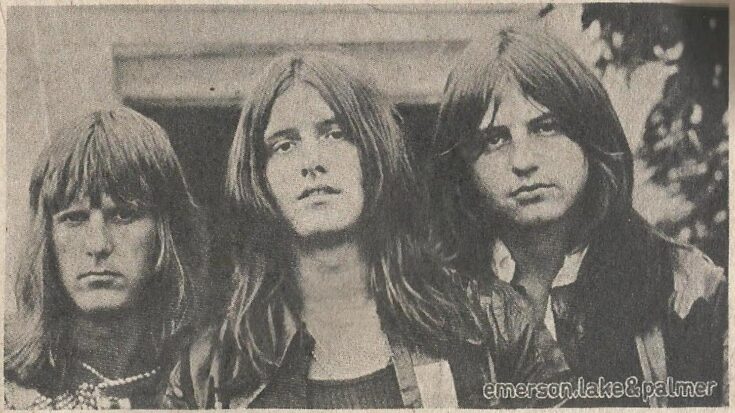
Photo by Majalah Varianada, Public domain, via Wikimedia Commons
The 1970s were a golden era for rock music, with artists reaching massive creative and commercial heights. But the following five bands and musicians found the next decade much more challenging. Shifts in musical trends, internal conflicts, and experimental missteps led to uneven output and lost momentum. While their 70s work remains influential, their 80s careers often felt disconnected from the innovation and energy that first made them legendary.
1. Pink Floyd
Pink Floyd dominated the 1970s with albums like The Dark Side of the Moon and The Wall, blending conceptual ambition with huge commercial success. By the 1980s, tensions between Roger Waters and David Gilmour fractured the band. Their output lacked the unity and spark that defined their earlier work.
The Final Cut (1983) highlighted these internal conflicts. Though Gilmour-led versions of the band continued, the creative collaboration was gone. Fans and critics noticed the change, and the band’s 80s period is often seen as a shadow of their former greatness.

2. Neil Young
Neil Young had made a name for himself in the 70s with albums that fused folk, rock, and personal reflection. In the 1980s, he experimented heavily with new technology, including vocoders and synthesizers, most notably on Trans (1982).
These choices alienated some longtime fans. Combined with legal disputes with Geffen Records, Young’s 80s output came across as inconsistent and uneven. While he remained prolific, the decade is often described as one of experimentation that struggled to connect with listeners.

3. Emerson, Lake & Palmer
ELP were giants of progressive rock in the 70s, famous for their elaborate, classically influenced compositions. By the 80s, their style seemed out of touch with contemporary tastes.
Love Beach (1978) already hinted at decline. A mid-80s comeback as Emerson, Lake & Powell could not match the creative heights of their past. Dated production and a lack of inventiveness revealed the limits of prog rock’s excess in an era dominated by simpler, synth-driven sounds.

4. Peter Frampton
Peter Frampton became a household name with Frampton Comes Alive! in 1976. The live album’s success set expectations that proved difficult to meet in the next decade.
Albums like Breaking All the Rules suffered from slick production and unfocused songwriting. Frampton struggled to adapt to changing tastes, and the 80s marked a period of creative limbo, far removed from the arena-filling excitement of his 70s peak.

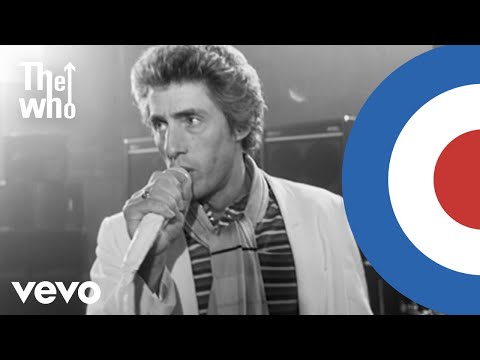
5. The Who
The Who were at their peak in the 70s, producing classic albums and legendary live performances. The death of drummer Keith Moon in 1978 marked a turning point.
Their 1982 album It’s Hard was widely criticized for lacking energy and inspiration. Tours in the 80s often felt retrospective, and the band officially broke up shortly after. The decade highlighted the challenges of sustaining creativity amid loss and shifting musical landscapes.