





10 Iconic Songs That Never Mention Their Titles in the Lyrics
Atlantic Records, Public domain, via Wikimedia Commons
Some songs become classics even without using their titles in the lyrics. While early music often relied on simple names like “ballads,” “blues,” or “hymns,” the rock era saw artists choosing titles that never appear in the songs themselves. Sometimes the name came from a theme, a memory, or even a joke. Other times, the title had little connection to the words listeners heard.
Here are 10 well-known tracks that never sing their own names, yet remain unforgettable pieces of music history.
1. “After the Gold Rush” – Neil Young (1970)
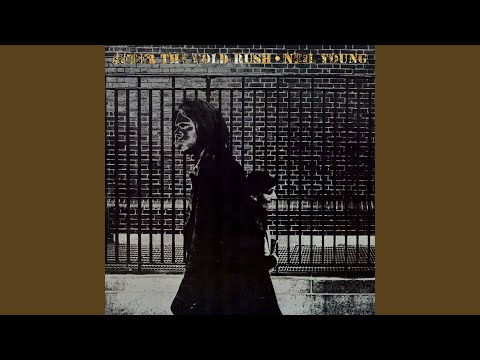
Neil Young’s “After the Gold Rush” reflects on the fading hopes of the 1960s while touching on environmental concerns he returned to many times in his career. Although he once said the song was written for an unmade film, it fits well beside the rest of his work from that era. Its tone carries a sense of loss and reflection.
Over the years, Young has adjusted some lyrics during live performances, keeping the song connected to different times and audiences. Even with small changes, the title never appears anywhere in the song, making it one of his most famous lyrical omissions.
2. “Baba O’Riley” – The Who (1971)
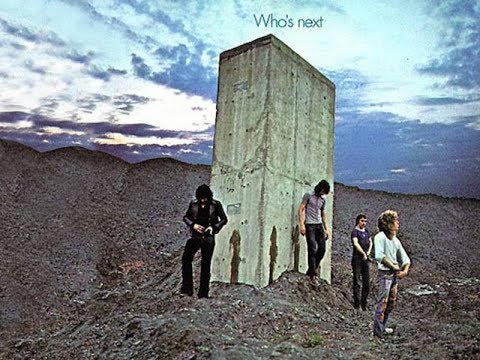
Originally titled “Teenage Wasteland,” Pete Townshend wrote the early version while working on Lifehouse, a large project planned as a follow-up to Tommy. When the idea was scaled back into a standard album, he reconsidered the name. The final title combines references to two of Townshend’s spiritual and musical influences.
The phrase “teenage wasteland” remains the most quoted part of the track, yet listeners never hear the name “Baba O’Riley” sung. Despite the mismatch, the song became one of the group’s most recognizable openers and a lasting piece of their early-’70s identity.
3. “Badge” – Cream (1969)
“Badge” was recorded shortly before Cream split up, and the track reflects the collaboration between Eric Clapton and George Harrison. Harrison played guitar under the alias “L’Angelo Misterioso,” returning a favor from Clapton’s work on “While My Guitar Gently Weeps.” Their partnership helped give the song its memorable feel.
The title came from a simple misunderstanding. Harrison wrote the word “bridge” on the lyric sheet, and Clapton misread it as “badge.” The accidental name stuck, even though the word never appears in the song. It became the band’s final single before their breakup.

4. “The Ballad of John and Yoko” – The Beatles (1969)
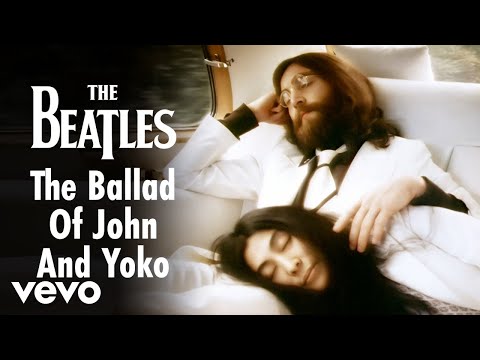
John Lennon and Yoko Ono’s life together was a major subject of media interest in the late ’60s. Lennon wrote this single to address the nonstop attention, but using the lyric “Christ, you know it ain’t easy” as the title would have drawn heavy backlash. The group instead named it directly after the couple.
The lyrics track Lennon and Ono’s experiences during their wedding and travels, giving the song a documentary-like style. Even though the story is personal and direct, the song never mentions its own title, relying instead on the public awareness surrounding the newly married pair.
5. “Black Dog” – Led Zeppelin (1971)
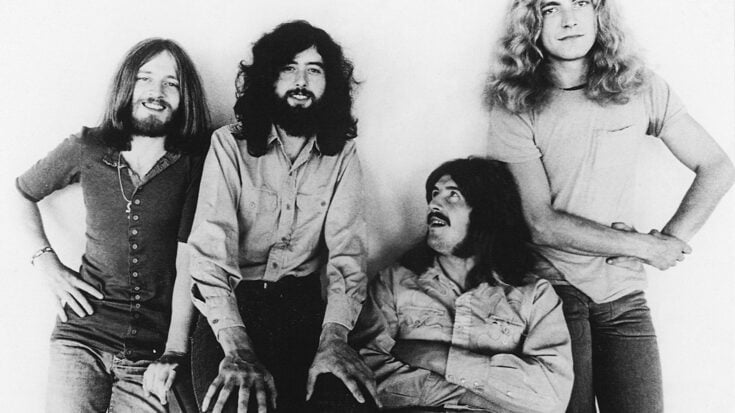
The title “Black Dog” came from a Labrador that wandered around the studio during the recording sessions for Led Zeppelin’s fourth album. The song itself has no connection to the animal. Instead, it features one of the group’s most recognizable riffs, driven by shifting rhythms and call-and-response vocals.
The lyrics rely heavily on rhyming pairs, giving the track a free-flowing structure rather than a clear story. Even with its unusual phrasing, the song became one of Zeppelin’s strongest album openers. The name never appears in the words, yet fans instantly associate it with the band’s powerful style.

6. “Blue Monday” – New Order (1983)
New Order approached “Blue Monday” with a structure unlike most modern singles. The track begins with a long electronic drum pattern, followed by a slow build of synthesizers before vocals appear. There is no traditional chorus, and the song relies more on rhythm and mood than a clear lyrical hook.
Because of this unique arrangement, the title never shows up in the lyrics. Instead, listeners are drawn into the atmosphere created by the production. Despite its unusual format, “Blue Monday” became one of the most influential electronic songs of the decade.

7. “Bohemian Rhapsody” – Queen (1975)
“Bohemian Rhapsody” is known for its structure, which moves through several musical sections without repeating themes or lines. Freddie Mercury built a piece that blends rock, opera, and ballad elements, creating a song unlike anything else on the radio at the time.
None of the six sections mention the words “bohemian” or “rhapsody.” Still, the song became one of Queen’s defining works and a major moment in music history. Its title reflects its style rather than its lyrics, and the track’s unpredictable form helped it stand out instantly.

8. “Brain Damage” – Pink Floyd (1973)
Placed near the end of The Dark Side of the Moon, “Brain Damage” brings together themes that appear throughout the album. It addresses mental strain and references the struggles of Syd Barrett, whose departure from the group left a lasting effect on the band.
The title isn’t sung in the lyrics, yet the song includes a key moment where Roger Waters mentions the album’s name. This connection ties the track to the record’s broader message. While quiet and reflective, “Brain Damage” remains an essential part of the album’s closing sequence.

9. “Bullet With Butterfly Wings” – The Smashing Pumpkins (1995)
Billy Corgan opens the song with one of the band’s most famous lines: “The world is a vampire.” The mood reflects Corgan’s stress during a difficult period for the band, both personally and professionally. The lyrics touch on frustration and loss of control without offering easy explanations.
The title itself never appears in the song and feels more symbolic than literal. Instead, listeners remember lines like “Despite all my rage, I am still just a rat in a cage,” which became one of the band’s signature phrases from the ’90s.

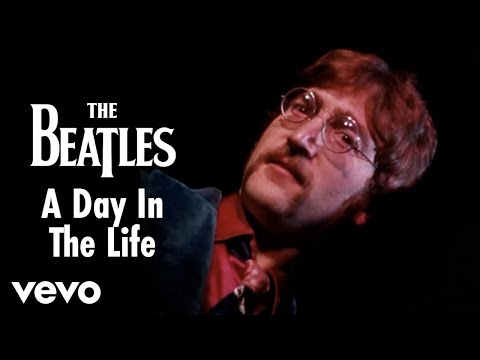
10. “A Day in the Life” – The Beatles (1967)
The final track on Sgt. Pepper’s Lonely Hearts Club Band blends two different ideas written separately by John Lennon and Paul McCartney. Lennon’s verses draw from a newspaper headline, while McCartney’s section describes everyday habits and routines, creating a contrast between the scenes.
Although the song never uses its title, it captures the feeling of moving through a full day. The shifting tone and structure make it one of the Beatles’ most ambitious recordings. Its placement at the end of the album helps highlight its scale and emotional range.






.jpg)