




4 Artists That Shaped Glam Rock History
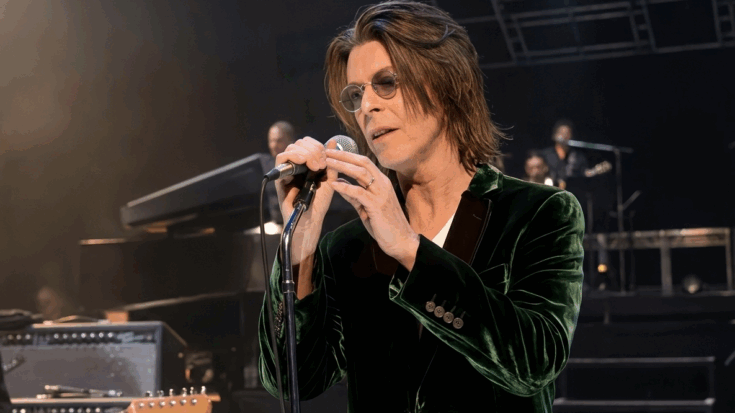
via "MetalMatt" / Youtube
Glam rock was not merely a change in the sound of music, but a radical transformation in its look and feel. The early 1970s saw rock music move away from simple jeans-and-guitar performances and into a world of glitter, drama, and larger-than-life egos. It was a style that combined popular, hard-hitting tunes with dramatic visuals, turning concerts into full-blown spectacles. For fans, it was no longer simply about listening—it was about experiencing something new, bold, and entirely different.
At the core of this movement were a few artists who were unafraid of being different. They challenged conventional ideas of identity, dress, and performance, all while creating music that stuck in people’s minds. Some leaned into fantasy and storytelling; others infused their work with raw energy or artistic experimentation. Together, they elevated glam rock from a trend into a defining era in music history.
In this article, we’ll take a look at four of the most significant acts that helped shape glam rock into what it is today, each adding their own style, sound, and attitude to a genre that still sparkles decades later.
1. David Bowie
David Bowie didn’t exactly invent glam rock—but he took it to another level and made it unforgettable. He hinted at his future direction early in his career, but everything changed in 1972 with the release of The Rise and Fall of Ziggy Stardust and the Spiders from Mars. It wasn’t just a collection of songs; it was a fully realized concept, a story told through music, fashion, and performance. Bowie created the alien rock star persona Ziggy Stardust, blurring the boundaries between fantasy and reality. He didn’t just perform—he transformed himself, with vivid outfits, theatrical makeup, and a striking stage presence.
The music supported the image. Songs like Starman and Suffragette City became instant classics and helped glam rock reach a global audience. The album made glam fun, vibrant, and impossible to ignore. Bowie also pushed the boundaries of gender and identity during this time. His androgynous fashion challenged conventions and encouraged fans to explore new forms of self-expression. He didn’t follow trends—he created them.
He continued this creative streak with albums like Aladdin Sane and Diamond Dogs, both of which pushed his glam vision even further. Bowie became the face of glam rock in many respects, not just because of his music, but because of his bold imagination and constant reinvention.
2. T. Rex
While Bowie brought glam to widespread popularity, the genre’s first true star was T. Rex, fronted by the flamboyant Marc Bolan. Before embracing glam, Bolan and his band started with a more folk-oriented sound. As their style evolved, they began incorporating elements of psychedelic rock and catchy pop, resulting in something fresh, fun, and undeniably cool. Their 1971 album Electric Warrior is often cited as the moment glam rock truly arrived. It featured the swaggering hit Get It On, a song driven by groove, rhythm, and irresistible charm.
Bolan’s influence extended beyond music. His glittery makeup, wild curls, and flamboyant clothing defined the glam aesthetic. His magnetic charisma captured fans’ attention, quickly making him one of the most recognizable figures in British music. Interestingly, there was both rivalry and friendship between Bolan and Bowie. Some even claim that Bowie’s Ziggy-era song Lady Stardust was inspired by Bolan.
Regardless, Bolan was already leading the glam movement in the U.K., paving the way for others to follow. Without his early success and flamboyant style, glam rock might not have reached the heights it did. He proved that rock could be theatrical, stylish, and still incredibly catchy.
3. New York Dolls
While glam was booming in the U.K., the New York Dolls introduced a grittier, more aggressive version of the genre to the United States. Their sound leaned toward what would later evolve into punk rock. They combined glam’s sparkle with raw energy and blues-infused rock, creating something both chaotic and exhilarating.
Their appearance was just as bold. Platform shoes, teased hair, heavy makeup, and gender-bending outfits defined their look. Frontman David Johansen often performed in clothing that challenged traditional ideas of masculinity, including spandex, stockings, and even lingerie. Their performances shocked audiences—but that was part of the appeal. The Dolls didn’t just play music; they made a statement.
Their self-titled 1973 album proved highly influential. Even though they didn’t achieve major commercial success at the time, their impact on both glam and punk rock is undeniable. Many later artists cite them as a key influence.
4. Roxy Music
While some glam acts focused on spectacle and rebellion, Roxy Music brought a more artistic and refined approach to the genre. Fronted by Bryan Ferry, the band blended glam’s theatrical flair with art rock influences. Ferry, who had a background in art, approached music with a creative and experimental mindset.
Their image remained striking and stylish, but their music was more sophisticated. In 1972, they released their debut album Roxy Music, which fused classic rock with forward-thinking electronic elements, creating a sound that felt ahead of its time.
They continued to innovate with For Your Pleasure, pushing boundaries even further. The album balanced upbeat tracks with darker, more atmospheric material, proving that glam could be both intellectually engaging and emotionally complex. Much of their distinctive sound was shaped by Brian Eno, whose experimental ideas helped define the band’s identity. Although he left after the second album, his influence remained central to their legacy.
Roxy Music demonstrated that glam rock could be more than a visual spectacle—it could also be musically adventurous and artistically ambitious.
Glam rock didn’t last forever as a dominant genre, but its influence has never truly disappeared. These four acts—David Bowie, T. Rex, New York Dolls, and Roxy Music—each played a crucial role in shaping what glam would become. They transformed the look, sound, and spirit of rock and roll. They celebrated individuality, challenged social norms, and proved that music could be theatrical, expressive, and deeply impactful all at once.
Their legacy remains visible and audible today. Glam rock continues to influence fashion, performance, and genre-blending music—still shimmering, like the glitter that defined it.