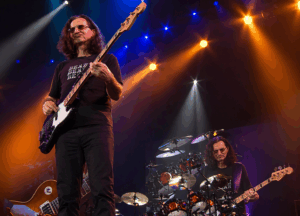





1969 Songs That Shaped the Future of Rock Music

via Sergio Giacobone / YouTube
By 1969, rock music had evolved into more than just catchy songs. It had become a powerful cultural force. A great deal had changed over the previous decade. Protests erupted over the Vietnam War. The Civil Rights Movement reshaped life in the United States. Young people questioned authority, tradition, and the future itself. Musicians didn’t observe from the sidelines—they absorbed these tensions and transformed them into song.
Rock music had evolved dramatically since the early 1960s. What began as simple pop and dance tunes expanded into psychedelia, folk protest music, blues-rock, and experimental sounds. By 1969, everything seemed to converge. The Woodstock festival—a muddy, chaotic, yet peaceful gathering—became a symbolic finale to the year. It felt both like a celebration and a farewell to the decade. As a result, 1969 set an exceptionally high bar for music. The songs of that year didn’t just sound great; they captured a moment. They reflected a world in transition, with old heroes fading and new voices emerging. The Beatles were nearing the end of their journey, while bands like Led Zeppelin were opening the door to the future. At the same time, raw underground acts rejected polish entirely, while others looked back to roots, folk traditions, and simple storytelling.
Choosing songs from this year that truly define rock is no easy task. They must reflect where rock music stood at the time, where it had come from, and where it was heading. They also needed to reach a wide audience. These aren’t just songs known only to dedicated fans, nor are they simply the biggest chart-toppers. They are songs that made an impact and left a lasting imprint.
Here are five songs from 1969 that shaped rock history in very different ways.
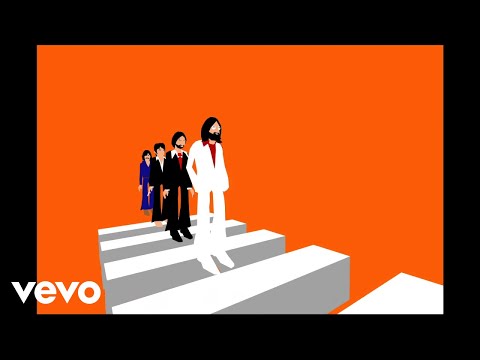
The Beatles’ “Come Together”
The Beatles best encapsulated the evolution of rock music throughout the 1960s. By 1969, they had already left an enormous mark on mainstream music. They began as an energetic pop band, experimented boldly, and eventually found a mature balance between innovation and accessibility. That year, they released Abbey Road, an album that felt like both a tribute to their past and a final statement.
“Come Together” perfectly captures where the band stood at the end. The track is smooth, confident, and restrained. Its instantly recognizable bass line grabs attention right away. Rather than relying on elaborate studio tricks, the song emphasizes groove and atmosphere. It sounds effortlessly cool.
What makes the song especially compelling is how subtly it blends styles. Elements of blues, rock, and funk merge into a relaxed, unified sound. It doesn’t shout about change, but it embodies it. The Beatles had nothing left to prove, and that quiet confidence shines through. Lyrically, the title itself suggests unity. Even as the band members were drifting apart behind the scenes, they came together long enough to create something timeless. “Come Together” feels like a final deep breath before the curtain closed on the Beatles—and, in many ways, on the 1960s itself.
Led Zeppelin’s “Whole Lotta Love”
One era was ending, and another was just beginning. Led Zeppelin arrived in 1969 with a sound that was louder, heavier, and more forceful than much of what came before. That year, they released two albums, pushing rock music toward a more muscular future.
“Whole Lotta Love” was the song that launched them into superstardom. It opens with a massive guitar riff that immediately feels raw and powerful. Rooted in blues, the song amplifies that foundation into something far more aggressive. The rhythm is relentless, and the vocals radiate swagger and confidence. The song also reflected shifting cultural attitudes. It was direct, sensual, and unapologetic. There was little abstraction here—just energy and desire, perfectly suited to an era of expanding freedom of expression.
More than a shock, the song was a signpost. Huge riffs, dramatic breakdowns, and arena-sized performances would dominate the next decade. Led Zeppelin didn’t just follow that path—they helped create it. “Whole Lotta Love” made it clear that rock music was becoming louder, heavier, and more daring.

The Stooges’ “I Wanna Be Your Dog”
Not everyone in 1969 wanted perfection or polish. Some artists wanted to tear everything down and start over. That’s where The Stooges came in. Their debut album landed like a punch to the gut, and “I Wanna Be Your Dog” became its defining track.
The song’s simplicity is almost shocking. It’s built around a short, repetitive riff that barely changes. The beat is steady and unyielding. There’s nothing flashy here, and that’s entirely intentional. The Stooges stripped rock music down to its raw essentials.
For those who felt rock had become bloated and self-important, this was a direct response. No long solos. No dreamy lyrics. Just raw sound and raw emotion. The music is tense, grimy, and unsettling—and that’s what makes it exciting. The song also introduced the world to Iggy Pop, a frontman who redefined live performance. His wild energy and unpredictable stage presence would go on to influence punk and countless other artists. “I Wanna Be Your Dog” never topped the charts, but it planted a seed. Within a few years, punk rock would explode, and this song would be recognized as one of its foundations.

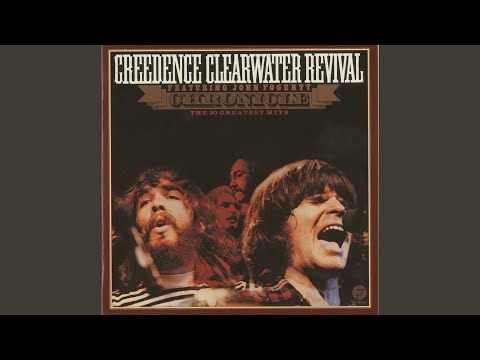
Creedence Clearwater Revival’s “Bad Moon Rising”
Creedence Clearwater Revival took a different approach than bands chasing the future or rebelling against excess. They focused on concise songwriting, strong melodies, and storytelling that felt timeless. In 1969 alone, they released three albums and delivered hit after hit on the radio.
“Bad Moon Rising” exemplifies their style. It’s upbeat, catchy, and instantly singable. The brisk rhythm, driven by acoustic strumming and a clean, straightforward sound, gives it an inviting feel. Yet beneath the cheerful surface lies a darker message. The lyrics hint at trouble ahead, uncertainty, and looming disaster. That contrast between sound and meaning gives the song depth without weighing it down.
At the close of the 1960s, CCR stood apart. They weren’t chasing heavy distortion or psychedelic effects. Instead, they drew from folk, country, and early rock & roll. Their music felt grounded and authentic. “Bad Moon Rising” proved that simplicity could still convey a powerful message during a year marked by grand statements.
David Bowie’s “Space Oddity”
1969 was already packed with landmark releases, but it also marked David Bowie’s breakthrough on the global stage. “Space Oddity” arrived at exactly the right moment, coinciding with humanity’s first steps toward the moon.
The song tells the story of an isolated astronaut drifting away from Earth. Musically, it is gentle, unconventional, and deeply emotional. What sets it apart is its refusal to follow standard rock formulas. Acoustic guitars, soft vocals, and unusual arrangements create a sense of wonder and loneliness.
“Space Oddity” was Bowie’s first major hit and a glimpse of what was to come. He wasn’t just writing songs—he was creating characters and entire worlds. The track laid the groundwork for the theatrical, artistic side of rock that would flourish in the 1970s. It also demonstrated that rock music could be cinematic and introspective, capable of storytelling and emotional depth. Bowie’s influence would stretch across glam rock, new wave, and beyond, beginning with this quiet, haunting song.

A Year That Changed Everything
These five songs reveal just how expansive rock music had become by 1969. The genre was branching out in every direction at once. The Beatles offered polished confidence, Led Zeppelin delivered thunderous power, The Stooges unleashed raw rebellion, CCR provided rootsy authenticity, and David Bowie introduced artistic ambition.
That’s why 1969 remains one of the most important years in rock history. It didn’t just produce great music—it marked the end of one era and the beginning of many others. You can still hear echoes of that year today, whenever a bass line grooves, a riff roars, or a song dares to be different.