





On This Day in 1976: Queen Took Over the UK Charts With a Six Minute Epic That Changed Rock Music Forever
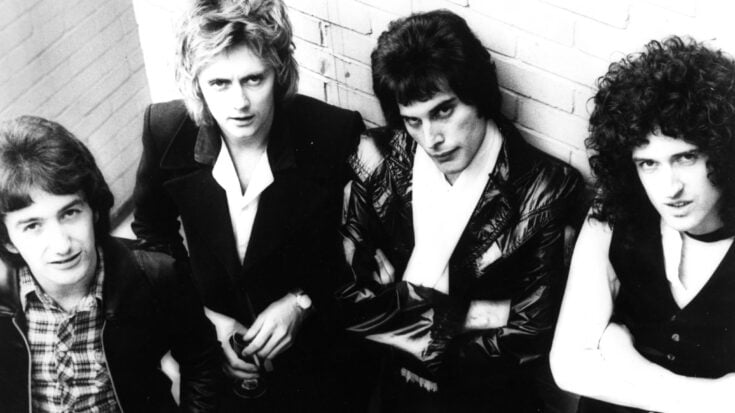
Photo by Christopher Hopper; Distributed by Elektra Records., Public domain, via Wikimedia Commons
A Single That Broke All the Rules
On January 9, 1976, Queen’s “Bohemian Rhapsody” was at No. 1 on the UK singles chart in its ninth week at the top. Written by frontman Freddie Mercury and released in late 1975, the nearly six-minute track came from the band’s fourth album A Night at the Opera. It was Queen’s first No. 1 single in the UK and an early sign that they were pushing rock in new directions.
The song’s structure shocked many at the time. It shifts between ballad, opera and hard rock sections without a traditional chorus, and it runs far longer than most singles of the era. Despite these unconventional choices, the song’s popularity grew quickly and quietly reshaped expectations about what could succeed in popular music.
View this post on Instagram
Studio Innovation and Radio Support
Queen recorded “Bohemian Rhapsody” over multiple days at Rockfield Studios in Wales, layering guitars and vocals in complex overdubs. At points, more than 180 separate tracks were mixed together, an ambitious feat with the technology of the mid-1970s.
When EMI Records was first presented with the finished track, executives worried its length and strange structure would doom it commercially. Queen leaked a copy to BBC Radio DJ Kenny Everett, who immediately played it repeatedly on his show. Fan reaction was swift, and record buyers pushed the single up the charts, forcing the label to release it exactly as recorded.
A Hit That Stayed and Returned
By the end of January 1976, “Bohemian Rhapsody” had sold more than a million copies in the UK alone. Over the years, the song continued to set sales and play records. After Freddie Mercury’s death in 1991, it returned to No. 1 on the UK chart for five weeks. It later became one of the country’s best-selling singles of all time.
Across the decades, the song has held cultural resonance far beyond its original chart run. It has been inducted into the Grammy Hall of Fame and preserved by the Library of Congress for its significance. It also became an early example of how a music video could support a song’s success, and its performance on streaming platforms has made it one of the most played songs from the 20th century.
“Bohemian Rhapsody” has reappeared in the charts in later years, boosted by film appearances and viral moments. After being featured in the 1992 film Wayne’s World, it climbed to No. 2 on the US Billboard chart. More recently, the song’s streaming totals have soared into the billions as new generations discover it.

.jpg)