




This Forgotten George Harrison Song Quietly Became a New Year’s Classic

Photo by Koen Suyk / Anefo, CC0, via Wikimedia Commons
A Holiday Song With Modest Aims
“Ding Dong, Ding Dong” was released in 1974 as the lead single from George Harrison’s fifth solo album, Dark Horse. Harrison wrote the song with a clear goal in mind: to create a sing-along tune meant for celebration, especially around the new year. Its main idea was simple—letting go of the past and welcoming what comes next. At the time, some believed Harrison hoped to catch the same holiday success enjoyed by British glam rock hits from Wizzard and Slade in the early 1970s.
That success never came. The song failed to reach the same chart levels or public praise as those festive classics. Still, its message was easy to grasp. The repeated line about ringing out the old and ringing in the new made the song easy to remember. Over time, that plain message helped it quietly find a place in New Year’s playlists, even if it never gained wide respect.
View this post on Instagram
Simplicity as a Statement
Many listeners have described “Ding Dong, Ding Dong” as overly simple, but that direct style reflects Harrison’s outlook. During his years in The Beatles, he often acted as a grounding force. While others leaned into loud ideas or studio tricks, Harrison focused on meaning and inner balance. His writing often pointed listeners toward reflection and calm rather than escape.
In that sense, the song fits his wider body of work. Its optimism is not flashy, but steady. Harrison seemed more interested in peace of mind than clever lines. By choosing such a clear theme, he stripped the song down to its core idea. For some, that honesty became its strength rather than a weakness.
Critical Backlash at the Time
Not everyone agreed. Several critics dismissed the song upon release. BBC radio host John Peel called it “repetitive and dull.” Bob Woffingden of New Musical Express wrote, “There’s nothing more disappointing than finding one’s teenage heroes crumbling ineluctably into middle-aged mediocrity.” Melody Maker’s Chris Irwin was even harsher, labeling it a “Glorified nursery rhyme.”
Harrison accepted that the song was written quickly, but he pushed back against the idea that it lacked thought. He once explained, “It took me three minutes, except it took me four years of looking at the thing which was written on the wall at my home, ‘Ring out the old, ring in the new. Ring out the false, ring in the truth,’ before I realized it was a hit song. It makes me laugh because it’s so simple.” His words suggest the idea mattered more than the effort.

Fighting Expectations After The Beatles
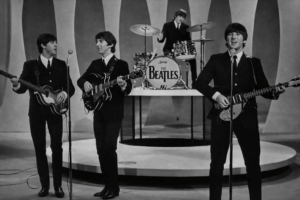
At this point in his career, Harrison was dealing with heavy pressure. Being part of the most famous band in the world set standards few could meet. Critics expected depth, growth, and constant change. Anything that sounded light or direct was treated as lazy, even if that was not the intent.
Harrison had already spent years carving out his own space away from The Beatles. His solo work leaned toward folk sounds and Indian influences, far from the band’s earlier style. He even admitted in The Beatles Anthology that “I was losing interest in being fab.” He wanted distance from the image that followed him everywhere.
Looking Forward, Not Back
That desire to move on can be heard in “Ding Dong, Ding Dong.” Lines like “Yesterday, today was tomorrow / And tomorrow, today will be yesterday” point to the dull cycle of repetition. Some hear confusion in those words, but they may reflect Harrison’s frustration with being tied to the past.
The nursery rhyme criticism may have missed that point. The song’s tone could be read as gentle humor or quiet protest. By sounding simple, Harrison may have been mocking the endless replaying of old glories. In that light, the song’s style becomes part of its meaning.
Context Around the Dark Horse Era
Singles are meant to be easy to enjoy, and that goal often clashes with critical taste. Some listeners focus more on showing knowledge than understanding context. “Ding Dong, Ding Dong” makes more sense when seen as part of Harrison’s state of mind during Dark Horse.
The album was written while preparing for a North American tour with Ravi Shankar in late 1974. Harrison was worn down. His voice sounded rough, and the production lacked the care of earlier records. After more than a decade of nonstop recording and touring, fatigue was natural. In that setting, the song feels less careless and more honest.