





These Classic Rock Songs Were Ignored—Then Became Loved
via Lynyrd Skynyrd /. Youtube
Some songs don’t arrive with fanfare—they quietly exist on the fringes, overshadowed by bigger, more commercially successful releases. In an industry often defined by chart positions and radio play, these deeper cuts can be easy to overlook. Yet for many listeners, they are the songs that resonate most. They capture personal moments, stir emotion, and often feel more authentic than the hits engineered for mass appeal.
Over time, music has proven its ability to endure far beyond its initial release. Songs that once slipped through the cracks have been rediscovered through film, television, commercials, and social media, giving them new life and wider audiences. Tracks by Nick Drake, Lynyrd Skynyrd, David Bowie, and Fleetwood Mac stand as prime examples—songs that have outgrown their original reception to become enduring cultural touchstones.
“Pink Moon” — Nick Drake
When “Pink Moon” was released in 1972, Nick Drake was far from a household name. Reserved and reluctant to promote his work, Drake maintained a low profile, rarely performing live or engaging with the media. His final album, Pink Moon, arrived quietly and failed to gain commercial traction. At the time, it seemed destined to remain a hidden gem within a small circle of listeners.
Following Drake’s death in 1974, his music slowly gained recognition through word of mouth and the admiration of fellow artists like Kate Bush and R.E.M. The turning point came in 1999, when Volkswagen featured “Pink Moon” in a commercial, introducing the song to a global audience. The impact was immediate—album sales surged dramatically, and Drake’s once-overlooked work began reaching new listeners. Decades later, the song’s delicate, introspective quality continues to resonate, proving its timeless appeal.

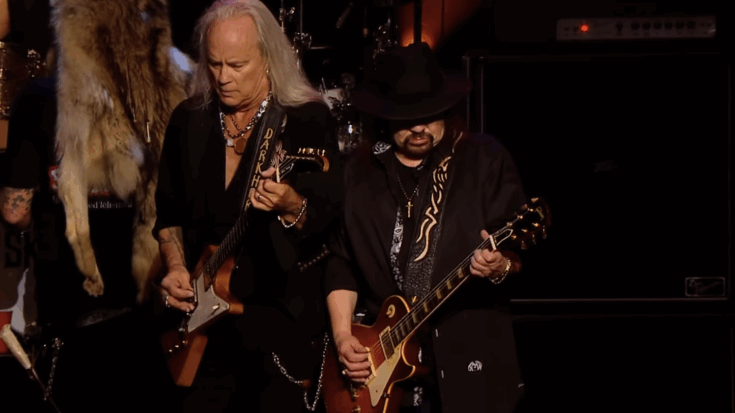
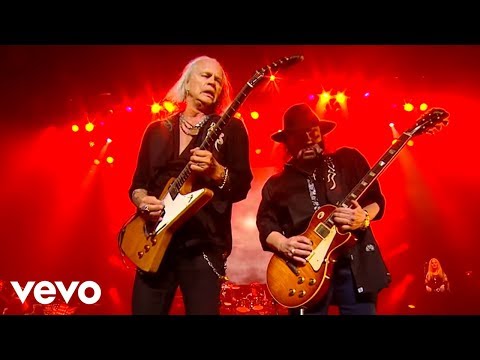
“Simple Man” — Lynyrd Skynyrd
Released in 1973 on their debut album, “Simple Man” by Lynyrd Skynyrd was never issued as a single and did not chart alongside the band’s more famous tracks. However, its emotional depth and sincerity allowed it to endure long after its release.
Built around a blend of gentle melodies and powerful instrumentation, the song carries a message rooted in familial wisdom. Drawing from advice passed down by mothers and grandmothers, its lyrics encourage listeners to “be a simple kind of man” and to value inner peace over material wealth. That universal sentiment has ensured the song’s longevity. Over the years, it has appeared in commercials, television series like The Sopranos, and even experienced renewed popularity after a 2023 American Idol performance. Today, it stands as one of the band’s most beloved tracks, despite its modest beginnings.
“Heroes” — David Bowie
Although now widely regarded as one of his defining works, “Heroes” by David Bowie did not achieve immediate chart dominance upon its 1977 release. While it performed well in the United Kingdom, it failed to make a significant impact in the United States at the time.
Inspired by a pair of lovers separated by the Berlin Wall, the song gradually grew in stature over the years. A pivotal moment came in 1987, when Bowie performed it near the Wall itself, creating a powerful, symbolic connection between the music and its subject. Reflecting on that experience, Bowie later described it as “one of the most emotional performances I’ve ever done. … we could hear them cheering and singing from the other side.”
Interest in the song surged again following Bowie’s death in 2016, and it found yet another wave of popularity when it was featured in the finale of Stranger Things. These moments have cemented “Heroes” as more than just a song—it has become an enduring anthem of hope and resilience.

“Silver Springs” — Fleetwood Mac
The story of “Silver Springs” by Fleetwood Mac is one of persistence. Written by Stevie Nicks during a turbulent period in her relationship with Lindsey Buckingham, the track was originally intended for Rumours but was ultimately cut and released as a B-side in 1976. Despite its emotional intensity, it was largely overshadowed by the massive success of the album.
The song resurfaced in 1997 during Fleetwood Mac’s reunion performance for The Dance. The live rendition—marked by the palpable tension between Nicks and Buckingham—captivated audiences and brought renewed attention to the track. That moment has since become iconic, influencing modern pop culture narratives and reintroducing the song to new listeners. More recently, “Silver Springs” experienced yet another revival through social media, climbing digital charts and gaining millions of streams.

The Long Life of Deep Cuts
Taken together, these songs highlight a compelling truth about music: success is not always immediate, and it is not always measured by chart performance. Many of the most meaningful songs are those that quietly endure, waiting to be rediscovered by the right audience at the right time.
In an era driven by instant hits and viral trends, these tracks serve as a reminder that music operates on its own timeline. A song can be overlooked in one decade and celebrated in the next, proving that emotional connection ultimately outweighs commercial metrics. These deep cuts didn’t just survive—they evolved, finding new relevance across generations. And in doing so, they reaffirm that truly great music never fades; it simply waits to be heard again.