




The Rock Stars Who Carried a Tragic Secret Behind the Spotlight
via Ray Charles/YouTube
For a long time, people have believed that rock music is all about loud guitars, wild behavior, and fearless personalities. Fans often imagined rock musicians as dangerous, rebellious, and unstoppable. Many artists embraced that image, trashing hotel rooms, living fast, and acting as if nothing could hurt them. But behind the noise and swagger, many of these artists were hiding deep pain. Fame and money did not protect them from tragedy, illness, or addiction—in many cases, they made things worse.
Rock musicians who struggle in their personal lives also face the burden of deciding whether or not to tell the public. Speaking out can bring support, but it can also lead to judgment, gossip, or even the loss of work. That is why many artists kept their darkest experiences private for years. Some shared the truth later in life, when they felt ready. Others never did, and fans only learned the truth after they were gone. These stories remind us that even the biggest stars are only human, and that the brightest lights can hide the darkest places.
Jackie Fuchs
Being a young woman in the music industry has never been easy, but it was especially difficult in the 1970s. Jackie Fuchs, a member of the all-female rock band The Runaways, learned this far too early. She was still a teenager when she joined a group managed by older men who held all the power.
In the mid-1970s, Fuchs attended a party after a show. She was given drugs and, for much of the night, was barely aware of what was happening. The band’s manager assaulted her in front of others while she was unable to fully understand or control the situation. No one intervened. No one spoke up. The silence afterward was just as devastating as the act itself.
Nothing was said until days later, when Fuchs returned to rehearsal. She felt deep shame and believed she was alone in dealing with it. For years, she told no one, fearing she wouldn’t be believed or would be blamed. She carried the pain in isolation. Although telling her story did not erase the trauma, it helped her begin to heal from something that had haunted her since she was young.
Daniel Johns
Daniel Johns became famous at a very young age. As a teenager, the lead singer of Silverchair achieved worldwide success. On the outside, everything seemed perfect, but internally, Johns was struggling deeply.
As pressure mounted, his mental health deteriorated. He became severely depressed and developed a serious eating disorder, though few people knew at the time. Media scrutiny only made things worse. Johns felt the only thing he could control was what he ate, and his condition worsened until he became fearful of food itself. His health declined to the point where doctors warned him that he could die. Recovery required time, effort, and professional help.
For many years, Johns kept this part of his life private. He didn’t speak openly about it until adulthood, long after Silverchair’s peak. Had he shared his struggle earlier, fans may have better understood the quiet battle he was fighting behind his fame.
Michael Hutchence
Michael Hutchence, the charismatic lead singer of INXS, was known for his confidence and magnetic presence. However, a violent incident in the mid-1990s changed his life in ways that were not widely understood at the time.
Hutchence was involved in a fight outside a restaurant and suffered a severe head injury. The incident was documented, but the seriousness of the damage went largely unnoticed. Privately, his behavior changed. He became more volatile, experienced mood swings, and lost some of his senses. Only his partner fully understood the extent of the injury.
Hutchence chose not to tell the truth publicly. He feared that others—especially his bandmates—would see him as weak or incapable. He worried that revealing his condition would limit his creativity or career. Even those closest to him didn’t fully grasp what he was going through. Years later, medical reports revealed that the injury had caused significant brain damage, shedding new light on the struggles he faced later in life.
Bobby Darin
Bobby Darin was a talented, driven performer with a complicated personal history. He grew up believing a fabricated family story—that his mother was actually his sister and his grandmother was his mother.
When Darin expressed dreams of becoming a politician, his family feared the truth would eventually be exposed. They decided it would be better for him to hear it from them. Learning that his entire childhood narrative was false deeply shook him. The pain was intensified by never knowing who his father was. Though his mind accepted the truth, his heart struggled with it. Darin never spoke publicly about it again, and the secret followed him throughout his life.
Darin died young, and most fans only learned the truth after his passing. His story reminds us that even those who appear successful and happy may be carrying immense emotional burdens.
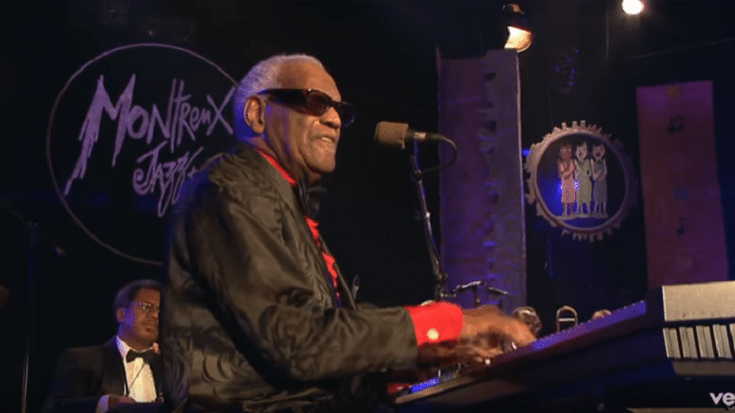
Ray Charles
Ray Charles never attempted to hide his struggles with drug addiction, but when the public became fully aware, the attention was harsh and humiliating. He had been using heroin for years when authorities finally caught up with him.
Instead of compassion, Charles faced ridicule and invasive media coverage. His addiction became a public spectacle. Despite multiple arrests and jail time, he did not quit until he truly wanted to. Recovery, he showed, cannot be forced by public pressure alone.
Eventually, Charles chose sobriety on his own terms. His story highlights how difficult addiction recovery can be—and how public judgment often makes it harder rather than easier.
Dolores O’Riordan
Dolores O’Riordan, the lead singer of The Cranberries, endured a traumatic childhood that affected her for much of her life. As a child, she suffered prolonged abuse, which deeply impacted her mental health and self-worth.
For many years, she kept the experience secret. When she finally spoke about it, she said it felt like a massive weight had been lifted from her shoulders. She openly discussed her struggles with trust, anxiety, and depression, and began to understand their origins.
Speaking out did not fix everything, but it allowed her to stop hiding. Fans gained a deeper understanding of both her strength and her vulnerability. O’Riordan died far too young, but her honesty helped open conversations about abuse and healing.
Nikki Sixx
Nikki Sixx of Mötley Crüe became known for his fearless, reckless image. Behind it was a severe drug addiction that nearly killed him multiple times.
In the mid-1980s, Sixx suffered a near-fatal overdose and was briefly declared dead before being revived. Even after that, he continued using drugs and kept his struggles private. He delayed seeking treatment despite years of addiction and repeated close calls. When he finally became open about his experiences, it helped him confront his fears—and inspired others to face their own.
Alanis Morissette
Alanis Morissette entered the entertainment industry as a child, long before she became the voice of a generation. She experienced abuse at a young age, but it took years for her to fully understand and accept what had happened.
Like many survivors, she struggled to speak about it. When she initially tried, she found little support. It wasn’t until years of therapy that she fully processed the trauma. Eventually, Morissette chose to speak publicly. Though painful, her honesty highlighted how often the industry fails to protect young performers.
Chester Bennington
Chester Bennington of Linkin Park was open about his struggles with substance abuse, but he rarely discussed the trauma that led to it. As a child, he was abused by an older individual for several years.
He remained silent out of fear and shame, worried about judgment and disbelief. The trauma followed him into adulthood, affecting his mental health and self-image.
When Bennington finally spoke about it, fans gained a deeper understanding of the pain reflected in his music. His death shocked the world and served as a sobering reminder that trauma can endure for a lifetime.
Elton John
Elton John has lived much of his life in the public eye, yet he kept serious health issues private for years. He was diagnosed with cancer while preparing for a major farewell tour.
Rather than announcing it immediately, he chose to focus on recovery and time with his family. Although the surgery was successful, complications afterward nearly cost him his life. He continued performing as his condition worsened, with audiences unaware of how serious it had become. When he eventually shared his story, it was not for sympathy, but honesty. His experience showed that even the most famous figures feel fear and uncertainty behind closed doors.
David Cassidy
David Cassidy was one of the biggest teen idols of the 1970s. Though he viewed himself as a rock singer, most fans knew him as the lovable star of The Partridge Family. His voice powered the hit “I Think I Love You,” and his face was everywhere during his peak.
As he aged, Cassidy attempted to reinvent himself through acting and theater. Privately, however, he struggled with alcoholism. In 2008, he publicly admitted to having a drinking problem, but the situation worsened. Over the years, he faced multiple DUI arrests and court-ordered rehab stays. In 2017, after nearly falling off a stage, he claimed to be suffering from dementia—a statement that shocked fans. Less than a year later, he died at 67. The true cause was organ failure related to long-term alcohol abuse. Shortly before his death, Cassidy admitted he had never stopped drinking and had lied to preserve his image. His late honesty revealed the depth of the pain he had hidden.
Dan Hartman
Dan Hartman was a creative force behind many radio hits of the 1970s and ’80s. He performed on “Free Ride” with the Edgar Winter Group, found solo success with “I Can Dream About You,” and helped revive the careers of other legendary artists.
Despite his success, Hartman lived privately. At a time when being openly gay could damage a career, he confided only in a trusted few. Later, he quietly feared he had been exposed to HIV.
When Hartman died suddenly at 43, the public was told he had succumbed to a brain tumor. Only afterward did the full truth emerge: his illness was related to AIDS, and his identity became widely known only after his death. His silence reflected the fear many artists lived with during that era.
Mick Mars
Mick Mars appeared intimidating onstage with Mötley Crüe, but fans were unaware of the constant pain he endured. From a young age, he suffered from ankylosing spondylitis, a rare condition that causes the spine to fuse and leads to chronic pain.
By the time the band achieved fame, Mars was already experiencing severe hip and back pain. He continued performing despite worsening symptoms and multiple surgeries. He rarely spoke publicly about his condition until much later, choosing endurance over vulnerability.
Layne Staley
Layne Staley’s heroin addiction was known, but the full extent of his struggle became clear only after his death. His health declined rapidly, and by the mid-1990s, live performances became increasingly difficult.
After the death of his longtime partner, Staley withdrew almost entirely. Despite multiple attempts at rehabilitation, he could not overcome addiction. When he died alone in his apartment in 2002, the tragedy revealed just how deeply he had been suffering.
Deryck Whibley
Deryck Whibley rose to fame at a young age as the frontman of Sum 41. While fans were aware of his battles with alcohol and health issues, they didn’t know the full story.
In his memoir, Whibley revealed that as a teenager, he was manipulated and abused by an older figure in the music industry. The experience shaped his life and contributed to years of self-destructive behavior. Sharing the truth decades later became part of his healing—and a reminder that some wounds take a lifetime to confront.