




Iconic Musicians Who Struggled With Stage Fright
It can be very scary to be on stage. Most individuals only experience it once in a while, such as when giving a speech at a wedding, presenting at school, or speaking at a large meeting at work. The thought of standing in front of a crowd with everyone looking at you can make anyone’s heart race. Now imagine doing that every night for work, with thousands of people watching.
Even some of the most famous and gifted musicians in history have struggled with stage fright, which might surprise you. These musicians created music that would last forever and packed stadiums, yet many of them felt scared, anxious, or even panicked before going on stage. Some avoided touring, some adjusted how they performed, and others found inventive ways to cope.
These five famous musicians showed that stage fright doesn’t care how talented you are—and that it doesn’t have to stop you from being great.
Donald Fagen
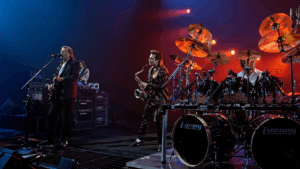
Donald Fagen, who co-founded Steely Dan and served as its lead singer, never enjoyed being on stage. He was happiest in the studio, where he could work on every note until it was perfect. Fagen treated music like a science experiment, which helped Steely Dan earn widespread recognition and success.
Live shows, however, were another matter. Fagen’s stage fright made it difficult for him to sing in front of large crowds. Although he could still perform, the stress caused the band to play live less frequently during their peak years. To ease the pressure, Steely Dan hired David Palmer to sing many of the songs during live performances.
Things gradually changed when the band reunited in the 1990s. As Fagen toured more often, he became more comfortable on stage. Even then, he frequently shared vocal duties with other band members and guest singers. Over time, his nervousness improved, allowing him to enjoy performing again—albeit in his own way.
Van Morrison
Van Morrison is remembered for his deep voice, heartfelt songs, and powerful performances. Many fans don’t realize that he did not always struggle with stage fright. It emerged later in his career, when he became more famous and began performing for larger crowds.
Morrison felt overwhelmed by the pressure of playing for thousands of people. His fear became so intense that he stopped performing for a period of time. When he returned, he often chose smaller venues where the atmosphere was more relaxed and less intimidating.
Although he sometimes pushed himself to perform on bigger stages, it was not always easy. One well-known example occurred during a major concert event in the mid-1970s, when he nearly backed out at the last minute before fellow musicians urged him onstage. Despite his anxiety, he delivered an incredible performance. Morrison continues to record and tour and has been open about his struggles. By setting boundaries and choosing venues that suit him, he has sustained his career while protecting his mental health.
Brian Wilson
Brian Wilson, the primary songwriter for The Beach Boys, is widely regarded as one of the greatest songwriters in history. His ability to create complex, emotional music set him apart, but he never enjoyed fame. Naturally shy and sensitive, Wilson found live performances overwhelming.
The noise, crowds, and constant travel took a heavy toll on him. In the mid-1960s, Wilson suffered a breakdown while traveling to a concert, which led him to stop touring altogether. He stayed off the road for more than a decade but continued shaping the band’s sound in the studio while other musicians performed in his place.
When Wilson eventually returned to live performances, he was still dealing with long-term mental health challenges and the effects of substance abuse. These struggles made performing difficult, often leaving him anxious, uncomfortable, and frightened before going on stage. Despite everything, Wilson did not give up. With the support of trusted friends and bandmates, he found ways to perform again. Even while battling anxiety, he continued sharing his music—a powerful example of perseverance.
Barbra Streisand
Barbra Streisand is a rare talent who has succeeded as a singer, actress, and director. Her career is one of the most remarkable in entertainment history, marked by major awards in music, film, and television. However, one early incident had a lasting impact on her confidence.
In the late 1960s, Streisand forgot the lyrics to a song during a live performance. The embarrassment left her deeply afraid of performing on stage. As a result, she avoided live concerts for nearly 30 years, focusing instead on film and television work.
When she finally returned to live performances years later, she was fully prepared. She used teleprompters for lyrics and carefully planned onstage conversations to help her stay calm. Everything was thoroughly rehearsed to prevent surprises. While some might see this as excessive, it allowed her to feel safe and confident enough to perform again. These adjustments helped Streisand reconnect with live audiences while keeping her anxiety under control.
Roy Orbison
Roy Orbison had a striking stage presence. Dressed in black, barely moving, and wearing dark sunglasses, he appeared distant and mysterious. His songs, filled with longing and heartbreak, perfectly matched this image.
Offstage, Orbison was quiet, polite, and gentle. His shyness made performing extremely stressful, and many of his most recognizable traits were rooted in stage fright. For instance, he began wearing sunglasses after misplacing his regular glasses before a show. He soon realized they helped him avoid eye contact, making it easier to perform.
His stillness on stage was not an act; anxiety caused him to freeze. Audiences often mistook this for confidence or mystery, and his team leaned into that perception, helping create the iconic image people remember today. Even his voice was affected—his natural vibrato came from nervous shaking, which became a defining part of his sound. Fear did not stop Orbison; it shaped his art. By turning vulnerability into expression, he showed that weakness can sometimes become a powerful strength.