





Syd Barrett Facts That Reveal the Myth, the Genius, and the Tragedy
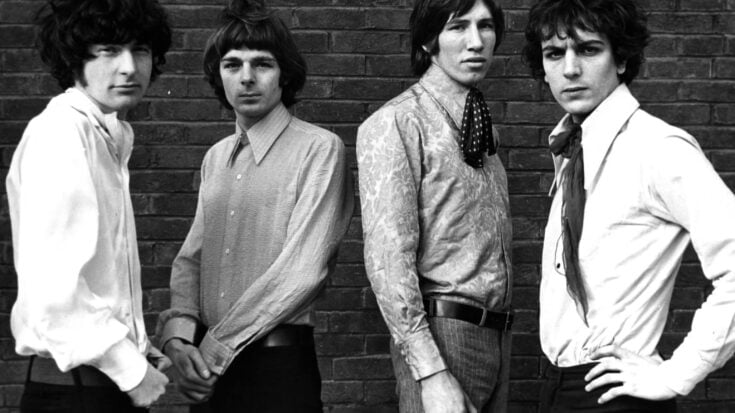
Photo by Hit Parader magazineThis is a retouched picture, which means that it has been digitally altered from its original version. Modifications made by Dcameron814., Public domain, via Wikimedia Commons
Syd Barrett is one of the most talked-about and misunderstood figures in rock history. He had a huge impact on Pink Floyd’s early sound and reputation, not to mention being a founding member and the inspiration behind the band’s name. But he didn’t stay with the group for long. By early 1968, he had left due to heavy drug use, worsening mental health, and growing difficulties getting along with others. Afterward, he gradually withdrew from public life, becoming increasingly distant and unpredictable in the eyes of the outside world.
Over time, rumors about Syd Barrett only grew, with some exaggerating his struggles and others being only partially true. People often forget the full person and artist he was. Barrett was complex, inventive, inquisitive, and kind. Behind the myths was a real individual with hobbies, skills, and life experiences rarely discussed.
Here are six lesser-known facts that help paint a fuller, more realistic picture of Syd Barrett.
1. He Led the Boy Scouts as a Teenager
Before he became famous for underground clubs and psychedelic rock, Syd Barrett was an active Boy Scout in Cambridge. He didn’t just join—he became the leader of his local group, which meant acting as a role model, planning events, and mentoring younger members. Those who only think of him as a “crazy rock star” might be surprised to learn that he was confident, organized, and naturally charismatic in this role.
While in the Scouts, Barrett met Tim Renwick, a younger member who would later tour with Pink Floyd long after Barrett had left the band. Renwick recalled that Barrett’s strong personality and charm were evident even then, showing that his leadership and inspirational qualities weren’t solely tied to music—they were part of who he was.
2. He Met Roger Waters at School
Syd Barrett and Roger Waters didn’t first connect through music—they met as children at Morley Primary School in Cambridge. Barrett was a student of Waters’ mother, who taught at the school at the time. This early connection eventually grew into one of rock’s most influential creative partnerships.
Years later, Barrett and Waters reconnected through music. Their shared background strengthened their bond—they were more than bandmates; they were childhood peers with common experiences. This early familiarity helped Pink Floyd work well together creatively during their formative years.
3. His Family Never Called Him “Syd”
Although the public knew him as Syd Barrett, his family simply called him Roger. His brothers and sisters—especially his youngest sister, Rosemary—rarely used the nickname. This small detail reveals a lot about the contrast between his private and public lives. “Roger” was the son and brother who sought peace and eventually returned to Cambridge for a quieter existence. “Syd,” on the other hand, became an emblem of the psychedelic era. This distinction helps explain why he never fully felt at ease in the public eye.
4. He Originally Wanted to Be a Painter
Before music took over his life, Syd Barrett considered himself a visual artist. In the early 1960s, he studied painting in Cambridge, where he met David Gilmour, and later moved to London to continue his studies. Although he never finished school, painting remained a lifelong passion.
Even after leaving Pink Floyd, Barrett continued to paint. His sister later noted that his artwork was highly personal and unique. He preferred experimenting with new ideas rather than following trends. Sometimes he would paint a piece, photograph it, and then discard it. He valued the process of creation over permanence, embracing the idea of letting go when a project was complete.
5. He Almost Joined a Religious Group
As Pink Floyd gained popularity in the mid-1960s, the band members explored Eastern spiritual ideas, a common interest among young people of the era. Barrett was especially drawn to these concepts and considered following a spiritual path associated with Sant Mat, an Indian religion emphasizing meditation and self-reflection.
Barrett wanted to join but was told he was too young at the time. This episode illustrates that his interests extended beyond music and art—he sought order, meaning, and tranquility, qualities that became even more significant as his life grew increasingly chaotic.
6. He Wrote Most of Pink Floyd’s First Album
While Roger Waters would later become the band’s primary songwriter, Syd Barrett was the driving creative force behind Pink Floyd’s debut album, The Piper at the Gates of Dawn (1967). He wrote most of the songs and helped define the band’s early sound with experimental music, surreal imagery, and playful lyrics.
The album stands apart from the rest of Pink Floyd’s discography, full of the whimsical, dynamic energy that Barrett himself embodied. David Gilmour later remarked on Barrett’s exceptional talent, noting that although Barrett’s tenure with the band was brief, his impact was profound and lasting.
There’s no doubt that Syd Barrett faced many struggles, and his story is often framed as a tragic one. But focusing only on that narrative misses the whole person. He was a brother, an ahead-of-his-time songwriter, an art student, a Scout leader, and a lifelong seeker of new experiences. Rumors and fleeting fame can’t capture his life. By looking at these lesser-known aspects, we gain a fuller understanding of Syd Barrett. He was not merely a cautionary tale of rock excess—he was a deeply creative individual whose influence on music endures to this day.






.jpg)