




How Aerosmith and Bruce Springsteen Took Very Different Paths on Their Debut Albums
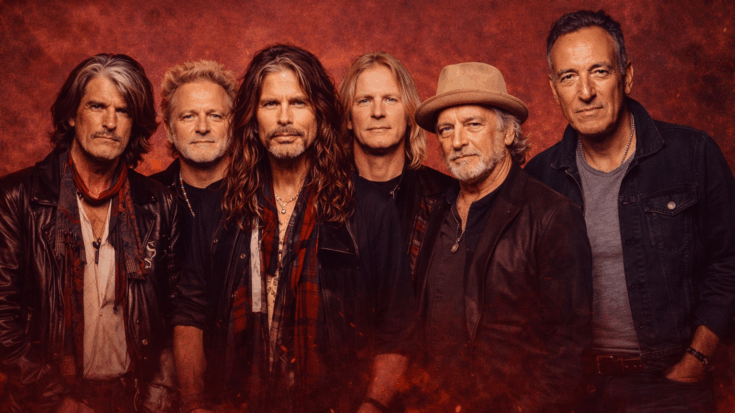
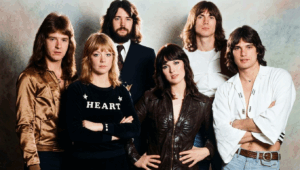
On January 5, 1973, two acts that would become rock legends—Aerosmith and Bruce Springsteen—released their debut albums to modest attention. While the Boston-based hard rockers’ self-titled album would eventually outshine Springsteen’s Greetings From Asbury Park, N.J., the Boss initially enjoyed far more support from the industry.
Capturing the Raw Energy—Or Not
Neither Aerosmith nor Springsteen fully captured their signature energy on their first releases. Aerosmith guitarist Joe Perry later described their debut as “thin and sterile” in the band’s 1997 autobiography Walk This Way.
“We were uptight, afraid to make mistakes,” Perry recalled. “No one was hounding us. It was pressure from within ourselves, so much pressure that the record came out sounding thin and sterile. We were total novices with no idea what to go for.”
Springsteen, meanwhile, leaned into folk-inspired, singer-songwriter territory reminiscent of Bob Dylan. While polished and accessible, Greetings From Asbury Park, N.J. didn’t reflect the raucous intensity of his live shows. Roadie and early friend “Big Danny” Gallagher noted the discrepancy when he first heard the record.
“He liked it but he had just one question: ‘Where’s the guitar?’” Springsteen wrote in his 2016 memoir Born to Run. “I was the fastest guitar player alive … in Monmouth County, and there was no guitar to be found on my record. No one locally had heard this new and very different material I’d been writing. I’d made the conscious decision to double down on my songwriting skills; I felt this was the most distinctive thing I had going.”
Industry Attention and Initial Reception
Springsteen’s introspective approach made him Columbia Records’ priority, leaving Aerosmith in the label’s shadow. Former Aerosmith manager David Krebs described the disparity:
“Aerosmith’s album was released the same day as Bruce Springsteen’s. For every dollar they put into Aerosmith, they put a hundred into Springsteen because he fit into the folksier CBS essence. Aerosmith was like an unwanted stepchild because Columbia had never had big success with hard rock, which was more Atlantic’s thing. So Aerosmith was a band that, in the early stages, happened despite Columbia.”
Perry echoed the sentiment in his 2014 memoir Rocks: My Life in and Out of Aerosmith: “Unlike Aerosmith, Springsteen was tailor-made for Columbia. He came out of the Dylan tradition. The label publicists had a field day promoting him. The public was ready for a rock hero with Bruce’s look and sound. We got the idea that Columbia didn’t think the public was ready for us.”
As a result, the music press largely ignored Aerosmith while praising Springsteen. “If the release of a record is the birth of a band, ours was a stillbirth,” Perry said. “We kept running to the newsstand to pick up Rolling Stone and read a review. But Rolling Stone never ran one. It’s one thing to have your debut criticized; it’s even worse to have your debut ignored. We were pissed.”
The Long Road to Recognition
Initial commercial success was modest for both acts. Aerosmith’s debut peaked at No. 166 on the Billboard 200 in 1973, while Springsteen’s album reached No. 60. It wasn’t until Aerosmith’s 1975 breakthrough with Toys in the Attic that their debut received renewed attention. The single “Dream On” was reissued, climbing into the Top 10 and boosting the album to No. 21 on the Billboard 200. Eventually, both records went double platinum.
In the meantime, Aerosmith and Springsteen pressed forward—touring relentlessly, honing their craft, and building the fan bases that would propel them into superstardom. What began as humble and overlooked debuts ultimately became the foundation for two of rock’s most enduring legacies.