Ozzy Osbourne Once Got Turned Down By This Guitarist
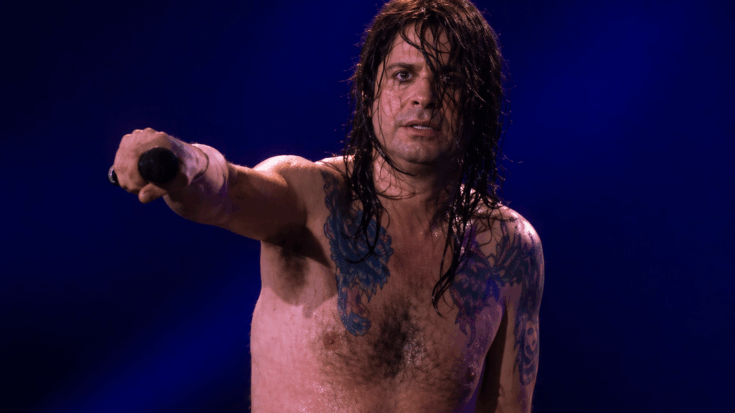
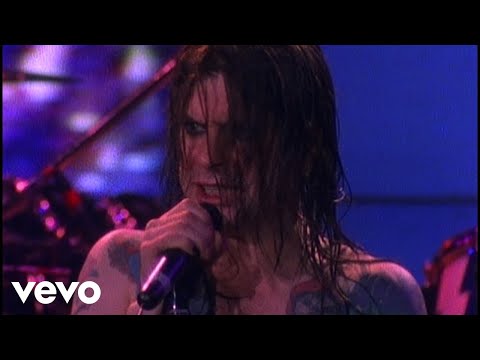
via "Ozzy Osbourne" / Youtube
In the aftermath of Randy Rhoads’ untimely death in 1982, Ozzy Osbourne faced the daunting task of finding a guitarist capable of stepping into one of rock’s most revered roles. A wide net was cast, with players such as Richie Ranno and Vito Bratta invited to audition. In the interim, Brad Gillis and Bernie Tormé each took brief turns in the band before Jake E. Lee ultimately secured the position.
“An Inner Warning Light”
Among the names considered before Lee’s arrival was Michael Schenker, whose reputation with UFO and Scorpions made him a compelling candidate. However, as he revealed in a recent interview with Guitar World, Schenker declined the opportunity, guided by instinct and timing rather than prestige.
“With Scorpions, I helped them out as a gesture to my brother [Rudolf],” Schenker says. “They were lost; they couldn’t do an album, so I worked with them as a jump-starter.
“And when Ozzy approached me, there was an inner warning light that said, ‘Don’t do that because you have just left UFO and Scorpions.’”
At the time, Schenker was already immersed in his own creative path with the Michael Schenker Group, and the idea of stepping into another high-profile act felt counter to his momentum.
Choosing Freedom Over Fame
Schenker’s decision ultimately reflected a deeper commitment to artistic independence. Rather than re-entering the cycle of major-band expectations, he chose to focus on personal expression and autonomy.
“I had time to digest my situation and the message was clear to me. I wanted to carry on doing my thing and purely self-express, and not run after a trend, which Scorpions and UFO had been trying to do since I left,” he explains.
“I’ve always believed in doing exactly what I feel like,” Schenker adds. “That’s freedom of expression. If I did something just because it was what people expected, or if I stopped what I was doing because I was blinded by fame and money, that would be selling my soul.”
Schenker’s stance underscores a recurring tension in rock history: the pull between global visibility and creative control. While other guitarists—including Marty Friedman and Nuno Bettencourt—have also been linked to Osbourne’s orbit, Schenker’s refusal stands as a defining example of an artist prioritizing identity over opportunity.
The guitarist’s reflections, featured in the latest issue of Guitar World, offer more than a behind-the-scenes anecdote; they highlight a philosophy that has shaped his enduring career. In an industry often driven by visibility and commercial momentum, Schenker’s choice serves as a reminder that longevity can just as easily be built on conviction as it is on headline-grabbing collaborations.