





On This Day in 1991: Eric Clapton’s Four-Year-Old Son Conor Tragically Fell From a 53rd-Floor New York Apartment — A Loss That Later Inspired “Tears in Heaven”

MerleEllaPatsy, CC0, via Wikimedia Commons
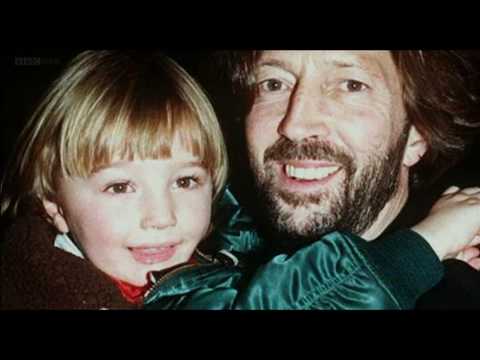
On March 20, 1991, guitarist Eric Clapton experienced one of the most painful moments of his life when his four-year-old son, Conor, died after falling from a high-rise apartment building in New York City. The accident shocked the music world and deeply changed the artist, shaping both his personal life and future music.
Conor Clapton fell from the 53rd-floor window of a Manhattan apartment belonging to his mother, Italian actress and television personality Lory Del Santo. Reports at the time said the window had been left open after a cleaner finished work earlier that day. The child was visiting New York with his mother while Clapton was in the city preparing to spend time with his son.
A Sudden Loss That Shook the Music World
Authorities ruled the incident a tragic accident. According to accounts from that day, Clapton had planned to take Conor to lunch and later visit the Central Park Zoo. Instead, he received news that would alter his life forever. Friends and fellow musicians later described the guitarist as devastated and withdrawn in the months following the loss.
Clapton stepped away from public appearances as he struggled with grief. Known worldwide for his guitar work and blues influence, he turned inward and focused on healing. During this period, music became a private outlet rather than a public performance. The tragedy marked a turning point, leading him to reassess both fame and family priorities.
The Song That Helped Him Process Grief
In the months after Conor’s death, Clapton worked with songwriter Will Jennings to express emotions he found difficult to speak about openly. Together they wrote “Tears in Heaven,” a gentle acoustic ballad that reflected questions about loss, memory, and reunion beyond life. The song later appeared on the soundtrack for the 1991 film Rush before gaining worldwide recognition.
“Tears in Heaven” became one of Clapton’s most recognized recordings and earned multiple Grammy Awards, including Record of the Year and Song of the Year in 1993. Listeners connected with its honest lyrics and restrained arrangement, which stood apart from the louder rock sound associated with his earlier career.
Clapton rarely performed the song live during the early years after its release, explaining in interviews that it remained emotionally difficult. Over time, he spoke openly about how writing music helped him cope with grief and avoid destructive habits that had affected earlier periods of his life.
The loss of Conor remained a deeply personal subject for the musician, yet it also created a shared emotional connection with audiences around the world. Through “Tears in Heaven,” Clapton transformed private pain into music that continues to resonate decades later, reminding listeners of the fragile nature of life and the lasting bond between parent and child.