



You’ve Been Calling These 10 Rock Songs by the Wrong Name Your Whole Life
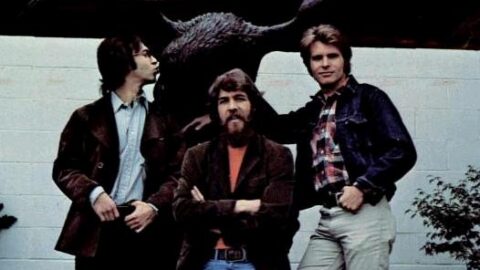
Photo by Fantasy Records, Public domain, via Wikimedia Commons
Sometimes music is more than just sound—it becomes part of culture, memory, and even mistaken identity. Many rock songs are known to fans not by their actual titles, but by the lyrics or moments that stand out the most. Over time, these misnamed tracks have become part of music lore, proving that songs often belong more to listeners than to the record industry.
“Baba O’Riley” – The Who (1971)
Many people know the song as “Teenage Wasteland” because of the repeated line in the chorus. The misconception is so widespread that even some fans are surprised when reminded of the real title. Roger Daltrey’s roar of “It’s only teenage wasteland” overshadowed the actual meaning for decades.
Pete Townshend, the band’s guitarist, named the song after spiritual leader Meher Baba and composer Terry Riley. The track opens with a signature synth riff that became a symbol of youth rebellion, appearing in movies like Almost Famous and as the theme for CSI: NY. Its influence stretches far beyond its original release.

“Sirius” – The Alan Parsons Project (1982)
Often referred to as the “Chicago Bulls Intro,” Sirius is better known for its association with Michael Jordan’s entrance during games than its actual album, Eye in the Sky. Fans worldwide recognize the melody but rarely the title.
The instrumental track was intended as a mood setter for the album’s opening song. Instead, its adoption in sports arenas turned it into a stadium anthem. Alan Parsons Project designed it to flow directly into “Eye in the Sky,” but the world found a new use for it in iconic basketball moments.

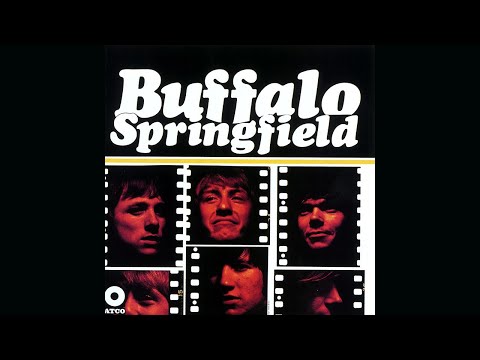
“For What It’s Worth” – Buffalo Springfield (1966)
People frequently mislabel this protest song as “Stop Children, What’s That Sound?” because of the opening line. Written by Stephen Stills about curfew riots on Los Angeles’ Sunset Strip, it’s often mistakenly linked to the Vietnam War.
The track has appeared in films like Forrest Gump and Tropic Thunder, becoming shorthand for the 1960s unrest. Stills reportedly told his producer, “I have this song here, for what it’s worth, if you want it,” explaining the unusual title choice.
“Fortunate Son” – Creedence Clearwater Revival (1969)
Because of its use in Vietnam War movies, listeners often call it “The Helicopter Song” or “It Ain’t Me.” The track criticizes privilege and draft deferments rather than war itself.
John Fogerty’s lyrics became a protest anthem, though Hollywood frequently used it for dramatic aerial sequences. Despite its anti-establishment message, the song has endured as a cultural reference for decades.
“Gimme Shelter” – The Rolling Stones (1969)
The chorus line “It’s just a shot away” leads many to misidentify this classic. The song appears in films like Goodfellas and The Departed, often highlighting moments of tension or danger.
Guest vocalist Merry Clayton recorded her parts at midnight while in pajamas, capturing raw emotion. The track’s haunting intensity is tied to real physical and emotional effort, adding depth to its legendary status.
“Carry On Wayward Son” – Kansas (1976)
Many younger fans know it as “The Supernatural Song” because of its use in the long-running TV show. Guitarist Kerry Livgren wrote it at the last minute as the final addition to Leftoverture.
The song has endured as a prog-rock anthem, familiar to new generations despite being added at the last minute. Its opening harmony immediately signals the start of the “Road So Far” recap, linking it forever to the show.
“All Along the Watchtower” – Jimi Hendrix Experience (1968)
Hendrix’s version of the Bob Dylan original is often called “There Must Be Some Way Out of Here” because of its opening line. His reinterpretation became so influential that Dylan later admitted performing it felt like a tribute.
Used in shows like Watchmen and Battlestar Galactica, the track signals tension and drama. Hendrix transformed the song into a timeless piece of rock history.

“A Whiter Shade of Pale” – Procol Harum (1967)
This song is misidentified by fans using phrases like “Skip the Light Fandango” or “The Miller Told His Tale.” Its haunting organ melody and abstract lyrics make it instantly recognizable.
Often used in 1960s films or weddings, the song’s surreal storytelling separates its title from its impact. The track’s popularity persists through its distinctive sound rather than its name.
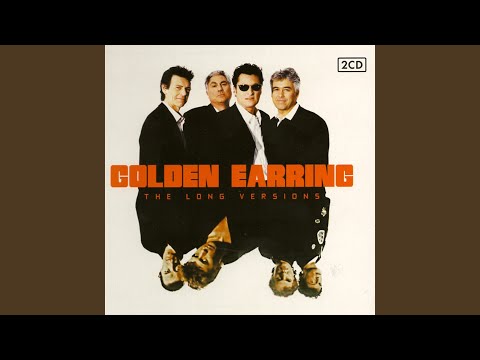
“Radar Love” – Golden Earring (1973)
Listeners often call it “The Brenda Song” after a lyric, but the title refers to a psychic connection between lovers. Its energetic rhythm makes it perfect for driving scenes in films and commercials.
The Dutch band created a road-trip classic that has lasted for decades, showing that catchy lyrics can overshadow official titles without diminishing the song’s influence.
“The Ecstasy of Gold” – Ennio Morricone (1966)
Most people know this orchestral piece from The Good, the Bad and the Ugly, or from Metallica’s concert openers, rather than its real name. It’s sometimes called “The Model S” due to Tesla features.
Morricone’s composition bridges classical and rock worlds, showing how music without words can achieve iconic status. Its presence in concerts and films has ensured it remains instantly recognizable.

.jpg)