




Not Every Rock Star Was a Fit for Tom Petty
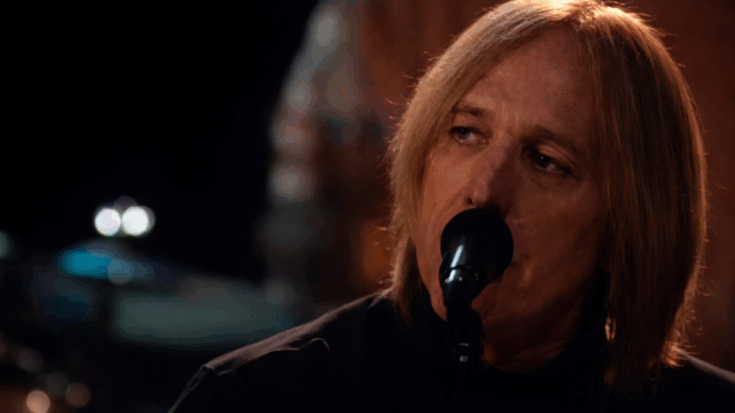
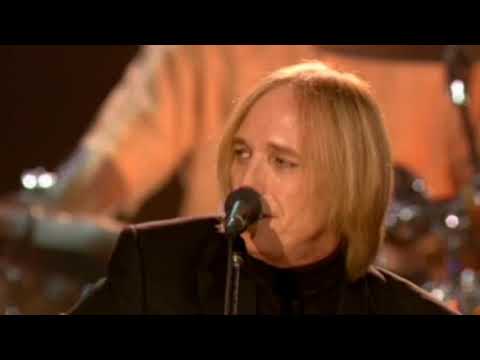
via "257anton" / Youtube
Tom Petty never envisioned himself as a lone figure at the center of a rock and roll empire. Even as “Refugee” and “Don’t Do Me Like That” turned him into a recognizable face, he consistently framed his music as a collective effort. For Petty, the identity of his sound was inseparable from the musicians around him—much like the E Street Band’s bond with Bruce Springsteen or Crazy Horse’s role in shaping Neil Young’s work.
Although he would later release solo material, Petty found that working outside of a tight-knit group often felt incomplete. The chemistry he valued simply wasn’t there when the music became too individualized.
Leaving Mudcrutch, Holding On to the Core
Before the Heartbreakers, there was Mudcrutch—a band rooted in friendship and shared ambition. Petty would have preferred to keep that group intact, grinding through gigs until a record deal came along. But when label interest focused solely on him, he faced a defining choice: stay loyal to the band or step forward alone.
He ultimately disbanded Mudcrutch, but not without carrying key pieces of it forward. Guitarist Mike Campbell remained by his side, recognized as an essential creative partner whose riffs would help define Petty’s catalog.
Still, the absence of keyboardist Benmont Tench left a noticeable gap. Even as Petty gained experience working behind the scenes with Leon Russell and crossed paths with George Harrison before his own breakthrough, he struggled to feel grounded. The revolving door of collaborators—no matter how talented—didn’t offer the cohesion he craved.
Finding the Heartbreakers’ Sound
Petty’s search for the right musical identity brought him into contact with top-tier session players like Al Kooper and Jim Keltner. Both were highly respected, but their presence only reinforced what he was missing.
As Petty later explained, “Al Kooper, Jim Keltner — great players. But I felt weird, like ‘This ain’t what I wanna do. This could be anything. I want to be in a band.’ With the Heartbreakers, the idea was, ‘We’re going to keep it to five people, and whatever they can do, we’ll make something out of it.’ I didn’t want eighteen people up there. I wanted a small group. And that’s the way we did it. I don’t know any other way.”
That philosophy clicked the moment he encountered the musicians who would become the Heartbreakers. Watching them rehearse, Petty recognized the raw chemistry he had been searching for. Early members like Stan Lynch and Ron Blair injected a swagger and personality into the music that no lineup of session players could replicate.
Even so, Petty never severed ties with his earlier collaborators. Jim Keltner remained a recurring figure, contributing to tracks like “Refugee” and later joining Petty again in the Traveling Wilburys.
By the time his career fully took off, Petty had already navigated multiple near-breaks and industry turns. Through it all, his vision stayed intact: rock and roll wasn’t meant to be flawless. Its power came from a band’s shared imperfections—the subtle rough edges that made the music feel alive.