




David Lee Roth’s Biggest Career Mistake
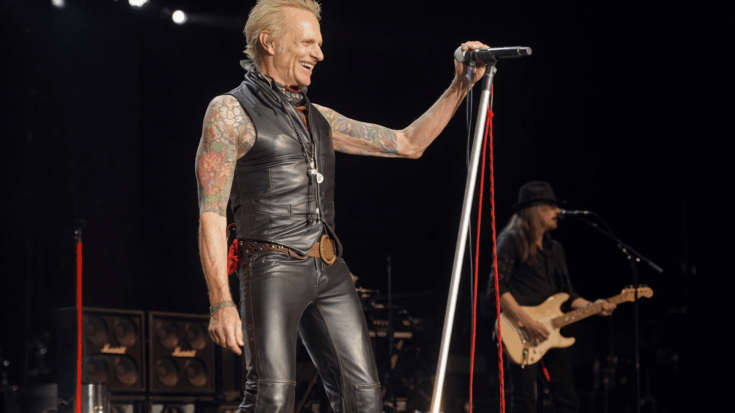
via "zztopeurope" / Youtube
When David Lee Roth walked away from Van Halen in the mid-1980s, the move puzzled fans and industry observers alike. The band was riding a wave of both commercial dominance and creative momentum, making his departure seem, at best, premature. Yet for Roth, the decision reflected a deeper unease.
Behind the scenes, tensions had been mounting. Roth grew increasingly dissatisfied with the group’s evolving musical direction and wary of Eddie Van Halen’s expanding interests outside the band. Following the 1984 world tour, Roth chose to step away, convinced that a solo career would offer him the artistic freedom he felt was slipping away.
Early Triumphs and Creative Drift
Roth’s post-Van Halen beginnings were anything but shaky. With virtuoso guitarist Steve Vai in his lineup, his debut solo album Eat ‘Em and Smile was both a commercial and critical success. It effectively silenced doubts about whether he could thrive independently, proving that his charisma and vision extended beyond the band that made him famous.
However, the momentum proved difficult to sustain. His follow-up releases revealed an artist less interested in consistency than in exploration. Skyscraper leaned into a more experimental and polished sound, while A Little Ain’t Enough saw him pivot back toward the hard rock roots that had initially defined his appeal. The shifts suggested a restless creative spirit—but also hinted at a lack of clear direction.
The Gamble That Didn’t Pay Off
By the time Roth embarked on his fourth solo effort, Your Filthy Little Mouth, unpredictability had become his defining trait. The decision to collaborate with Nile Rodgers—a figure synonymous with funk and pop innovation—raised immediate questions. Those concerns only deepened upon the album’s release.
What emerged was a record that many perceived as an identity crisis. Roth jumped between styles—hard rock, country, doo-wop, reggae, and R&B—with little sense of cohesion. While the ambition to experiment was evident, the execution felt scattered, as though the album lacked a unifying vision.
To Roth’s credit, the project reflected a genuine desire to push boundaries and inject a sense of fun into his music. Yet the breadth of genres, combined with his unusually straight-faced delivery, clashed with the playful, tongue-in-cheek persona that had long defined him. The result was a disconnect that left fans and critics struggling to reconcile this version of Roth with the one they thought they knew.
Even a personal turning point—his decision to clean up his lifestyle following a minor drug-related incident in 1993—did little to recalibrate his artistic instincts during this period. Clarity, it seemed, did not necessarily translate into creative focus.
Roth would eventually attempt to course-correct with the 1998 DLR Band album, returning to a more familiar hard rock sound. However, its modest commercial performance underscored the lingering impact of Your Filthy Little Mouth. More than just a misstep, the album became a cautionary tale about the risks of unchecked experimentation.
In retrospect, Roth’s mid-’90s detour can be seen less as a collapse and more as a turbulent chapter in an artist’s ongoing evolution. While it temporarily distanced him from his audience, it also reinforced a defining trait of his career: a willingness to take risks, even at the expense of immediate success.