Bob Dylan Once Admitted a Joni Mitchell Album Put Him to Sleep — and Joni Had One Blunt Request
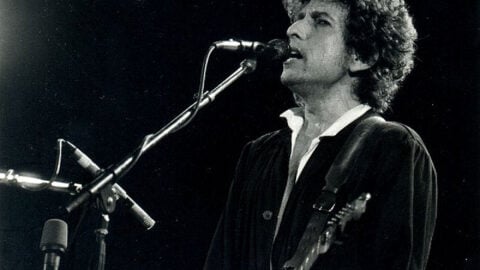
Photo by Xavier Badosa, CC BY-SA 3.0, via Wikimedia Commons.
Early Reverence and Rising Scrutiny
Bob Dylan, often regarded as one of the greatest songwriters of his era, has long been both admired and feared in the music world. Early in his career, Dylan openly praised the artists who inspired him, including Elvis Presley, Jimmy Reed, Allen Ginsberg, and Woody Guthrie. These influences shaped his early rise and fueled his unique approach to folk music in the early 1960s.
By the mid-to-late 1960s, however, Dylan’s perspective began to shift. As his own folk-rock style gained recognition, he became more selective and critical of others in the industry. At the Newport Folk Festival in 1965, Dylan famously faced criticism from purists who objected to his use of electric instruments. Around the same time, he developed a reputation for being highly discerning, especially toward contemporaries he suspected of mimicking his style.
A Famous Musical Feud
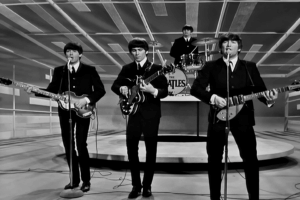
One notable example was John Lennon, whose 1965 song “Norwegian Wood (This Bird Has Flown)” Dylan reportedly believed copied his work. In classic Dylan fashion, he responded through a verse on his 1966 Blonde on Blonde track “4th Time Around,” turning critique into art.
Dylan’s critiques were rarely softened. He maintained a sharp eye for artistic authenticity, even among friends and acquaintances in the music scene. Joni Mitchell, a prominent figure in folk circles, frequently crossed paths with Dylan in the late 1960s and 1970s. Their relationship was casual at best, often described as an acquaintance rather than a close friendship.
View this post on Instagram
The Court and Spark Incident
In a July 1979 interview with Cameron Crowe of Rolling Stone, Mitchell recalled playing her newly completed album Court and Spark for Dylan in 1974. Rather than praising her work, Dylan reportedly fell asleep during the listening session. Mitchell speculated that Dylan may have been trying to appear “cute” in front of label boss David Geffen, who was also present.
The incident left Mitchell unsettled. Whether Dylan had been suffering from a hangover or simply wasn’t impressed, his reaction was interpreted as dismissive. Despite this, Court and Spark went on to become Mitchell’s most successful and critically praised album.
Mitchell’s Musical Response
In 1977, Mitchell responded to her experience with Dylan through the song “Talk to Me.” Its lyrics directly address him: “Or we could talk about power, About Jesus and Hitler and Howard Hughes, Or Charlie Chaplin’s movies,” she sings. She continues: “Just come and talk to me, Mr Mystery, talk to me. (…) Are you really exclusive or just miserly? You spend every sentence as if it was marked currency.” The song reflects a desire for Dylan to ease his enigmatic persona and engage more openly.
Over the years, Mitchell’s view of Dylan evolved. In 2010, she described him bluntly: “We are like night and day, [Dylan] and I. Bob is not authentic at all. He’s a plagiarist, and his name and voice are fake. Everything about Bob is a deception.”
By 2013, she softened slightly, acknowledging some admiration for his work: “I liked a lot of his songs.” Yet she remained critical of his musicianship: “Musically, Dylan’s not very gifted; he’s borrowed his voice from old hillbillies. He’s got a lot of borrowed things. He’s not a great guitar player. He’s invented a character to deliver his songs … it’s a mask of sorts.”
Artistic Integrity and Personality
The interaction between Dylan and Mitchell illustrates the complexity of artistic respect and personal taste in the music world. While Dylan could sleep through a contemporary masterpiece, his influence and opinions continued to shape how artists navigated their own creativity and relationships within the industry.