




A Rhythm Legend That Changed Music Is Gone — Fans Are Heartbroken
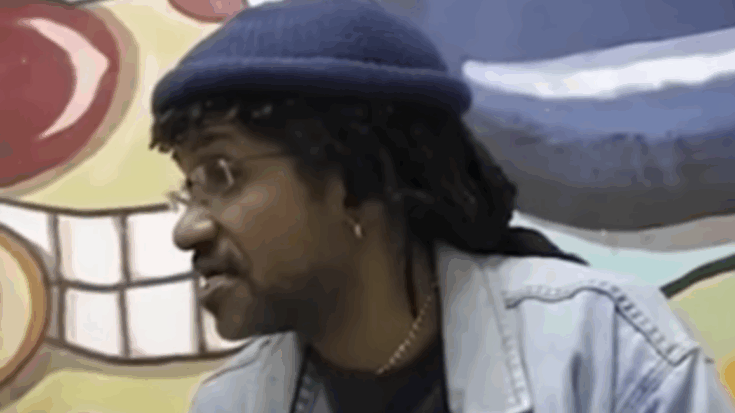
VIA Reggae Appreciation Society / Youtube
Lowell Fillmore “Sly” Dunbar, the pioneering Jamaican drummer and one-half of the iconic rhythm duo Sly and Robbie, has died at the age of 73, leaving behind a legacy that reshaped reggae and reverberated far beyond Jamaica’s shores.
The news was confirmed by DancehallMag, though no further details regarding the circumstances of his death have been disclosed.
From Kingston Roots to Studio Royalty
Born and raised in Kingston, Jamaica, Dunbar’s musical instincts emerged early. He began performing publicly as a teenager, developing his sense of rhythm long before formal training ever entered the picture. In interviews, he often recalled his unconventional beginnings.
“I was going to school, and I was playing on the desk in school, and then I started playing on cans,” he told Berklee Online. “Then I told my mom I didn’t want to go back to school at the age of 13.”
With his mother’s blessing, Dunbar left school to pursue music full-time. Though he never studied drums in a traditional sense, he absorbed technique and feel by listening closely to soul and R&B records from artists like Otis Redding, Booker T. & the M.G.’s, and Sly and the Family Stone—sounds that would quietly inform his distinctive reggae pulse.
The Birth of Sly and Robbie
In 1972, Dunbar met bassist Robbie Shakespeare, forming one of the most influential partnerships in modern music. Together, they became the backbone of countless recordings, including five albums with Peter Tosh, formerly of Bob Marley’s Wailers.
By 1980, the duo had launched Taxi Records, their own label, further cementing their role as architects of Jamaica’s evolving sound. Sly and Robbie’s drum-and-bass interplay became a global calling card—instantly recognizable, endlessly adaptable.
A Global Groove and a Lasting Legacy
Their influence soon extended far beyond reggae. Over the decades, Sly and Robbie appeared on landmark albums across rock, pop, and jazz, collaborating with artists ranging from Bob Dylan and Mick Jagger to Carly Simon and Sinéad O’Connor. Yet Dunbar never viewed this crossover as cultural dilution.
“A lot of people said ‘they’re taking our music,’ but I never think of that,” he said. “To us we know it’s reggae… we felt good to know somebody is liking what we’re doing.”
A 13-time Grammy nominee and two-time winner, Dunbar remained grounded about his achievements. When asked in 2020 how he hoped to be remembered, his answer was characteristically direct and rhythmic:
“Making some great records, being in some great groups, playing some nice drum patterns, starting reggae all over… what I’m playing makes you just want to dance.”
In that sentiment lies his true legacy. Sly Dunbar did more than keep time—he created motion, energy, and feeling. His grooves invited bodies to move and cultures to connect, ensuring that long after the final beat fades, the music he helped shape will continue to live, breathe, and dance on.