




70 years ago today, Elvis Presley’s “Heartbreak Hotel” dropped. Timeless.
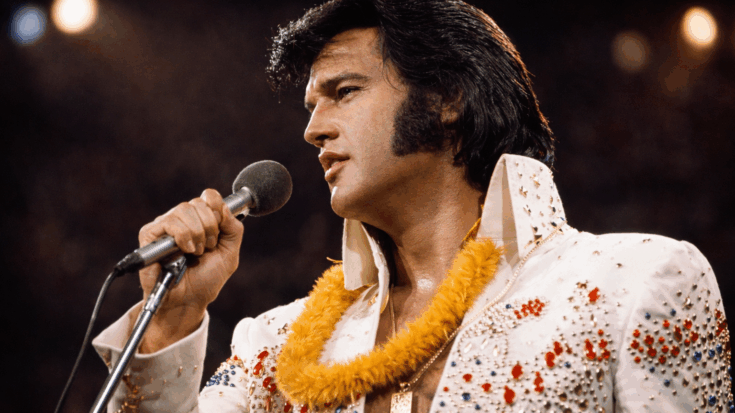
Seventy years ago today, Elvis Presley released a song that would permanently alter the trajectory of popular music. “Heartbreak Hotel,” issued on January 27, 1956, marked a turning point not only in Presley’s career but in the cultural fabric of the 20th century. Dark, raw, and emotionally direct, the single sounded unlike anything dominating American radio at the time—and that was precisely its power.
A Sound That Changed the Rules
Recorded at RCA’s Nashville studios, “Heartbreak Hotel” stood apart from the polished pop and crooner records of the era. Its echo-heavy production, blues-rooted melody, and stark sense of isolation felt almost confrontational. Presley’s vocal performance—restrained yet haunted—introduced listeners to a new emotional register in mainstream music. The song blurred the lines between rhythm and blues and country, creating a sound that would soon be called rock and roll. It wasn’t just catchy; it was unsettling, and that made it impossible to ignore.
From Risky Gamble to Cultural Phenomenon
At the time of its release, the single was considered a gamble. RCA Records executives reportedly worried that its bleak tone might alienate listeners. Instead, “Heartbreak Hotel” exploded. It reached No. 1 on the Billboard pop chart and stayed there for weeks, selling over a million copies in its first year. The song transformed Presley into a national sensation almost overnight, signaling the arrival of a new kind of star—one whose appeal crossed age, race, and regional lines.
Why It Still Resonates
Seven decades later, “Heartbreak Hotel” remains a masterclass in mood and minimalism. Its themes of loneliness and emotional displacement feel as relevant now as they did in 1956. More than a hit single, the song stands as a foundational text of rock history—proof that timeless music doesn’t chase trends; it creates them.