




5 Band Members Who Got Fired and Went on to Have a Better Career
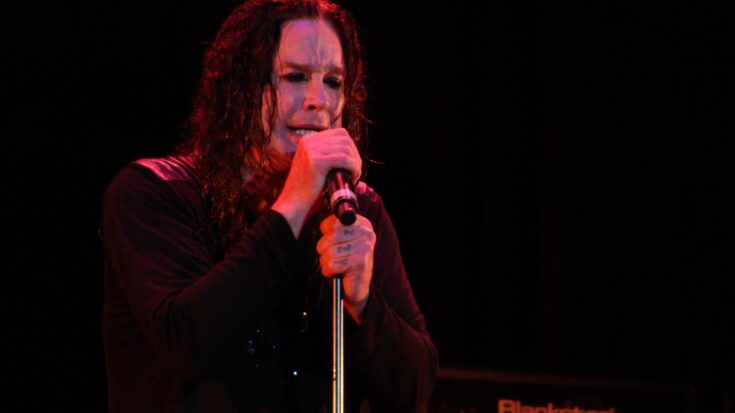
Photo by Alberto Cabello, CC BY 2.0, via Wikimedia Commons
Getting fired from a band often feels like the end of the road. In rock history, though, it has sometimes been the moment that pushed artists toward even bigger success. Creative clashes, bad habits, or simple burnout forced these musicians out of famous groups, but it also freed them to build careers on their own terms. In several cases, their post-band work reached more people and left a deeper mark than what they did before.
Ozzy Osbourne
Ozzy Osbourne was fired from Black Sabbath in 1979 after years of tension caused by heavy drug and alcohol use. At the time, Sabbath were already legends of heavy metal, and many assumed Osbourne’s career was finished. Losing the band he helped create looked like a public collapse.
Instead, Osbourne rebuilt fast. His solo debut Blizzard of Ozz introduced Randy Rhoads and produced songs that became metal staples. Over time, Ozzy became a larger public figure than Sabbath itself, helped by touring success and later reality television fame.

Dave Mustaine
Dave Mustaine was Metallica’s original lead guitarist and a major writer in their early days. In 1983, he was fired just before the band recorded its debut album, largely due to his behavior and substance abuse. Metallica soon became one of the biggest bands in the world.
Mustaine used that setback as fuel. He formed Megadeth, a band that matched Metallica in speed and skill while carving out its own sound. Megadeth became one of thrash metal’s most important acts and sold tens of millions of records worldwide.

Jimi Hendrix
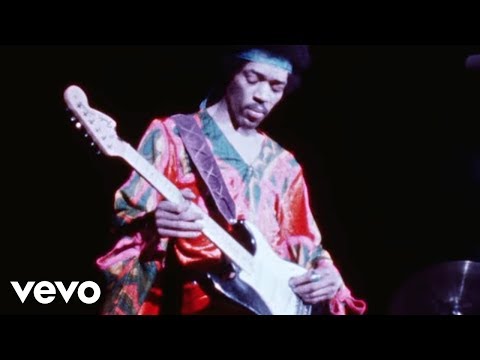
Before fame, Jimi Hendrix worked as a hired guitarist for Little Richard’s backing band, the Upsetters. In 1965, he was fired for being late, dressing too boldly, and drawing too much attention onstage. At the time, Hendrix was still unknown outside musician circles.
Within a year, everything changed. Forming the Jimi Hendrix Experience, he redefined electric guitar playing. Albums, live shows, and recordings made him one of the most influential musicians in rock history, far beyond anything he could have achieved as a sideman.
Lemmy Kilmister
Lemmy Kilmister played bass for Hawkwind in the early 1970s and was closely tied to their sound. In 1975, he was fired after being arrested at the Canadian border during a tour. The split was sudden and left him without a band.
Lemmy responded by forming Motörhead almost immediately. The group blended punk speed with metal power and built a loyal following over decades. Motörhead’s sound influenced countless bands and turned Lemmy into a rock icon in his own right.
Peter Gabriel
Peter Gabriel left Genesis in 1975 after years as the band’s lead singer and main visual focus. While not a hostile firing, his departure was a major break that forced both sides to change direction. Genesis continued without him, shifting their style.
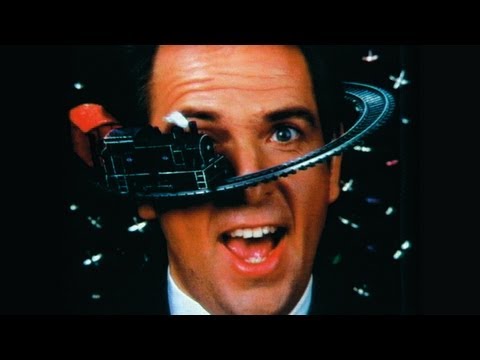
Gabriel’s solo career became just as important. He released a series of successful albums, scored major hits like “Sledgehammer,” and became known for creative videos and global music influences. His work reached far beyond progressive rock audiences.