




Why Stevie Nicks’ Version of “Free Fallin’” Still Means So Much to Tom Petty Fans
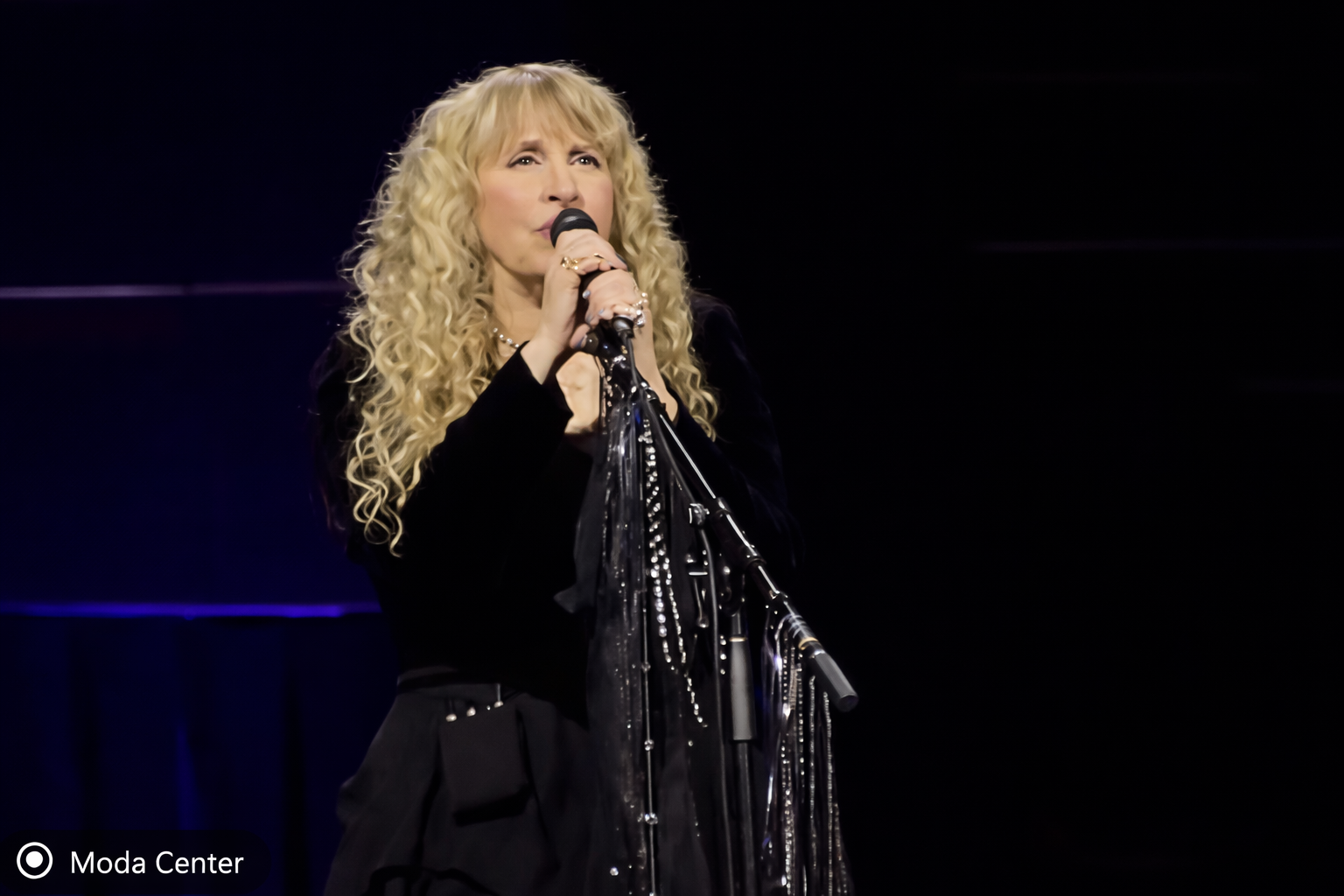
via "stereogum" / Youtube
For Stevie Nicks, Tom Petty was never just the voice behind enduring hits like “American Girl.” He represented something far more personal—a confidant, a creative ally, and, in her own words, a “knight in shining armor.” Their artistic relationship, forged through years of collaboration, evolved into a rare and deeply rooted friendship.
When Petty passed away in October 2017 at the age of 66, the loss reverberated far beyond the music world. For Nicks, it marked the absence of one of the few people who truly understood her. That emotional weight would later find its way onto the stage, transforming performance into remembrance.
‘Free Fallin’’ as a Living Memorial
On March 24, 2019, at Baltimore’s Royal Farms Arena, Nicks delivered a performance that transcended tribute. Taking on Petty’s iconic “Free Fallin’”—originally released on Full Moon Fever in 1989—she offered a rendition shaped by grief, admiration, and enduring respect.
Less than three years removed from Petty’s passing, the performance carried an unmistakable emotional gravity. Nicks did not simply revisit a classic; she reframed it as a personal farewell. The audience, attuned to the moment, joined her in unison, turning the arena into a collective space of remembrance.
“I think that Stevie is the only person who could sing a Tom Petty song and do it justice. Bless,” wrote one fan—a sentiment that resonated widely in the wake of the performance.
The song itself remains one of Petty’s most celebrated works, having peaked at No. 7 on the Billboard Hot 100 and No. 1 on the Mainstream Rock chart. Decades later, its continued streaming success—now nearing one billion plays—underscores its lasting cultural imprint.
A Creative Bond That Defined an Era
The roots of Nicks and Petty’s connection trace back to her debut solo album, Bella Donna. Determined to collaborate, Nicks persistently sought Petty’s involvement. He later reflected on their initial hesitation: “It was her mission in life that I should write her a song. And we were a little wary of Stevie. We didn’t quite know whether to like Stevie or not, because we kind of saw this big corporate rock band, Fleetwood Mac, which was wrong—they were actually artistic people.”
That skepticism ultimately gave way to one of the era’s defining collaborations: “Stop Draggin’ My Heart Around,” written by Petty and Mike Campbell. The track became a standout success, climbing to No. 3 on the Billboard Hot 100 and No. 2 on the Mainstream Rock chart, while also cementing the musical chemistry between the two artists.
In the aftermath of Petty’s death, Nicks articulated the depth of their bond in a letter that read as both tribute and confession. “I lost one of the last people I could truly talk to… who understood who I was, and what I stood for,” she wrote. She continued, “One of the only people who truly had my heart and cherished it. A knight in shining armor. My world is just darker since he’s been gone.”
As the years pass, Petty’s absence remains deeply felt—not only by those who knew him personally but by generations of listeners who continue to discover his work. His songs endure not simply as nostalgic artifacts, but as living, breathing pieces of storytelling that still resonate in a changing musical landscape. More than chart positions or streaming milestones, his legacy lies in the emotional connections he forged—connections that artists like Nicks continue to honor onstage.
In that sense, every performance, every cover, and every shared memory ensures that Petty’s voice is never truly silenced. Instead, it echoes forward—carried by those he inspired, and by audiences who refuse to let the music fade.