




Why “Don’t Stop Believin’” Was a Perfect Rock Song — Until Pop Culture Took Over
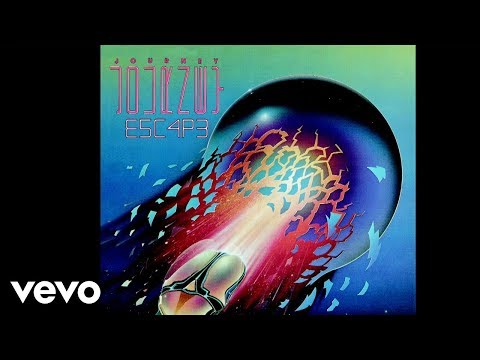
Arena rock — the era of towering guitars, dramatic keyboards, and stadium-sized choruses — arguably reached its high point in 1981. That moment coincided with the release of Journey’s “Don’t Stop Believin’,” a song that distilled everything great about the genre into a single, endlessly replayable anthem. Built on a shimmering electric keyboard intro, the track gradually stacks guitar lines, thunderous drums, and Steve Perry’s unmistakable, emotionally charged vocals. The song tells a simple but powerful story of hope and connection, saving its biggest payoff for the end by closing with its chorus — a fist-pumping release that practically demands audience participation.
That immediate emotional punch is exactly why “Don’t Stop Believin’” became irresistible to film studios, TV producers, and advertisers. Beginning in the early 2000s, the song was licensed so frequently that its original magic started to wear thin. The same warmth and nostalgia that once made it special have been repeatedly leveraged to the point of exhaustion, turning a beloved classic into a pop-culture crutch.
How Television Brought It Back — and Wouldn’t Let Go
For years, “Don’t Stop Believin’” wasn’t even Journey’s biggest hit. It peaked at No. 9 in 1981 and settled comfortably into classic rock rotation without dominating the conversation. That changed around 2003, when the song appeared in the NBC series Scrubs and later in the film Monster. Those placements helped reintroduce it to modern audiences, but they were only the beginning.
Its cultural status exploded after the 2007 finale of The Sopranos, where the song famously cuts off mid-lyric as the screen fades to black. That moment cemented the track as shorthand for tension, nostalgia, and unresolved emotion. After that, the floodgates opened.
The song showed up repeatedly across pop culture — from animated sitcoms and Super Bowl commercials to the pilot episode of Glee, which sparked a fresh wave of popularity among younger listeners. The cast’s version even became a major chart hit. Altogether, the track has been used in more than 40 films, shows, and advertisements.
When Familiarity Turns into Fatigue
By 2013, “Don’t Stop Believin’” had already sold millions of copies, and its value only ballooned in the following decade as streaming pushed its numbers even higher. Clearly, people still choose to listen to it — but its omnipresence means they often don’t have a choice. Whether watching television or heading to the movies, the song seems unavoidable.
Its use has become predictable. Filmmakers rely on it as an emotional shortcut, confident that audiences will respond. But repetition has dulled that response. What once felt uplifting now risks sounding tired.
Maybe it’s time for Hollywood to give “Don’t Stop Believin’” a rest. There’s no shortage of great rock songs from the same era — including plenty from 1981 — that could deliver the same emotional impact without leaning on a tune that’s already been pushed past its limit.