




’60s Rock Songs Some Fans Now Say Were Overrated

via @JimJohnRayRobby / YouTube
Let’s pause for a moment before anyone grabs a pitchfork or starts shouting “blasphemy.” Rock music in the 1960s was extraordinary. That decade produced some of the most influential bands in history, and many of their songs still sound incredible today. The Beatles, The Rolling Stones, The Doors, The Velvet Underground, and others shaped everything that followed. The classic rock explosion of the 1970s would not have existed without the groundwork laid in the 1960s. That said, even legends don’t produce great music all the time.
No artist, regardless of stature, creates nothing but masterpieces. The 1960s delivered countless songs that fully deserved their acclaim, but it also produced tracks that may have benefited a little too much from reputation, nostalgia, or hype. These songs aren’t terrible—some are even enjoyable—but they don’t quite live up to the level of praise they’ve received over the years. Calling a song “overrated” doesn’t mean it’s bad. It usually means people view it as more profound or accomplished than it actually is. Often, something is missing: the lyrics feel shallow, the structure becomes repetitive, or the production hasn’t aged particularly well.
This isn’t an attempt to be contrarian or to tear down classic art. It’s about honesty and closer listening. Many songs from the 1960s deserve every bit of recognition they’ve earned, but the following tracks may not merit quite as much reverence as they’ve been given.
Sunday Morning – The Velvet Underground
Opening one of the most discussed albums of the decade seems like a fitting place to start. The Velvet Underground & Nico, released in 1967 and famously featuring Andy Warhol’s banana artwork, begins with “Sunday Morning.” Warhol’s name appeared more prominently than the band’s, underscoring how much of the project revolved around image and artistic credibility.
That context matters, because “Sunday Morning” often feels more like a concept than a fully realized song. It aims for a dreamy, delicate atmosphere but comes across as forced and overly precious. The lead vocal sounds thin and slightly off-key, wavering in a way that feels distracting rather than sincere. The instrumentation, including the chiming keyboard tones, seems chosen more for novelty than emotional substance.
Structurally, the song goes very little distance. It circles the same ideas repeatedly, growing monotonous long before it ends. The melody isn’t strong enough to sustain that repetition, and the dynamics barely shift. There’s little emotional payoff. Admirers often describe it as haunting or gentle, but it frequently feels empty rather than intimate. Its reputation owes more to the album’s legacy and Warhol’s involvement than to the song itself. It lingers, but not because of its depth. That gap between perception and reality is precisely why it feels overrated.

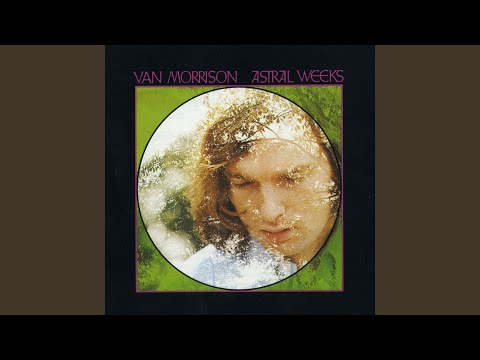
Sweet Thing – Van Morrison
Astral Weeks by Van Morrison is often treated as a spiritual, poetic masterpiece. Many listeners regard it as almost sacred, filled with emotional depth and mystical beauty. Not every song on the album, however, earns that level of praise. “Sweet Thing” is a clear example.
Musically, the song feels loose to the point of disorder. The acoustic guitar strumming drifts without variation, and the bass line seems uncertain of its direction. Rather than sounding organic and alive, the arrangement feels underdeveloped, as if it needed more refinement. Morrison’s vocal delivery doesn’t help. His performance is exaggerated and theatrical, with dramatic phrasing that borders on cartoonish. Instead of drawing the listener in, it can feel alienating.
Lyrically, the song reaches for beauty but overshoots the mark. The language is overly romantic and packed with vague, fantasy-like imagery that lacks grounding in real experience. Rather than timeless, it can feel like poetry in costume—big gestures with little substance beneath them. With tighter orchestration and more grounded lyrics, it might have been something special. Instead, it comes across as unfocused and self-indulgent, its reputation carried largely by the album surrounding it.
Touch Me – The Doors
Experimentation was always central to The Doors’ identity, and it often resulted in unforgettable music. But ambition doesn’t always guarantee success. “Touch Me,” from The Soft Parade, shows what happens when experimentation goes too far.
On paper, the song sounds promising: horns, strings, organ flourishes, and a saxophone solo. Each element works well on its own, but together they fail to cohere. The arrangement feels disjointed, jumping awkwardly between sections that collide rather than flow.
Jim Morrison’s vocals, usually a defining strength, don’t elevate the track. His delivery feels stiff and overly dramatic, lacking the effortless charisma that defined earlier performances. The melody doesn’t suit his voice particularly well, making certain lines sound strained. The song succeeded largely because of the band’s popularity and its boldness, but stripped of its context, it resembles a collection of interesting ideas that never quite merge into a great song.

With a Little Help From My Friends – The Beatles
Yes, it’s the Beatles. Yes, they permanently changed music. And yes, this song remains overrated. The band’s original version, featuring Ringo Starr on lead vocals, sounds charming in theory but flat in execution. The structure is extremely simple, relying on repetition with minimal variation.
There’s no true bridge, no unexpected turn, and very little melodic tension. The chorus returns again and again, and by the time the song ends, it feels overused. It resembles a sketch more than a finished composition. Lyrically, the song focuses on friendship and support, but it does so in the most basic terms. The lines are so plain they border on lazy, leaning on repetition rather than insight.
Many listeners prefer Joe Cocker’s later interpretation because it injects emotion, urgency, and intensity. His version highlights how much more the song could have been. Compared to that, the Beatles’ original feels undercooked, especially considering the talent involved. It’s pleasant, but far from essential.

Ride My See-Saw – The Moody Blues
The Moody Blues were known for sweeping concepts and lush arrangements, which makes “Ride My See-Saw” particularly underwhelming. Compared to their more ambitious work, the song feels strangely bland. It relies heavily on repetition, both lyrically and musically. The chorus repeats simple commands over and over, giving it a juvenile quality that clashes with the band’s typically serious tone.
Musically, the song goes nowhere. It cycles through the same chord patterns without building toward a climax or emotional release. When it ends, it doesn’t feel resolved—it simply stops.
The harmonies, usually one of the band’s greatest strengths, sound distant and disconnected. The spoken introduction attempts to sound profound, but it comes off as forced, especially since the ideas that follow aren’t particularly deep. While the song may aim to symbolize the cycles of life, a concept alone isn’t enough. Without engaging music, the metaphor falls flat.

Why These Songs Still Get a Pass
Context plays a major role. These tracks come from iconic bands during a legendary era. Over time, reputation hardens into fact. Nostalgia also has immense power. Many listeners first heard these songs in formative years, creating emotional attachments that overshadow critical listening. Once a song becomes part of someone’s identity, it’s difficult to question its quality.
All of these songs are listenable, and some can even be enjoyable in the right mood. But when judged purely on songwriting, arrangement, and performance, they fall short of the praise they routinely receive. Acknowledging that doesn’t diminish the greatness of the 1960s. If anything, it highlights just how exceptional the truly great songs of that era were. Even legends stumble sometimes—and that’s perfectly fine.