




Zakk Wylde Says Modern Recording Tech Would’ve Wrecked Classic Rock Albums — But David Gilmour Doesn’t Agree
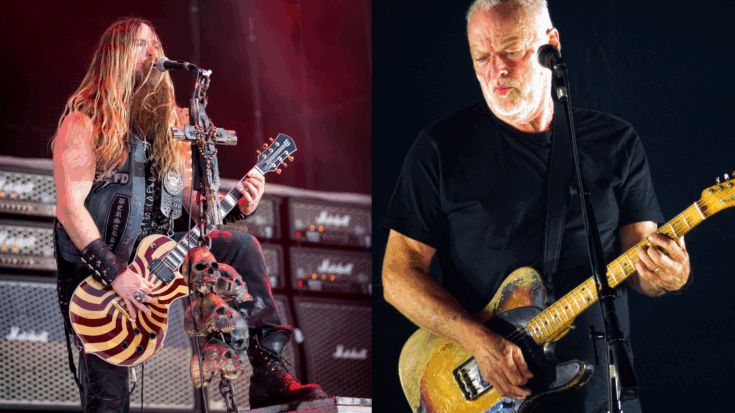
Composite image includes photos by Andreas Lawen, Fotandi (CC BY-SA 3.0) and Lrheath (CC BY-SA 4.0), via Wikimedia Commons.
Zakk Wylde has shared strong opinions about modern recording tools, arguing that today’s technology would have changed the sound of some of rock’s most important albums. In a new interview with Metal Hammer, the guitarist said heavy use of Pro Tools removes the imperfections that helped shape classic records.
Debates around recording technology have grown louder in recent years, especially as digital tools and artificial intelligence become more common in music production. Many rock musicians believe these tools can make performances sound too perfect, losing the human feel that once defined the genre.
Concerns About Modern Recording Tools
Pro Tools has long been a source of debate in rock music. In 2024, Billy Corgan of The Smashing Pumpkins joked that its widespread use means “people who can’t play guitar now sound like they can.” Around the same time, Guns N’ Roses guitarist Slash said that “everything” today “has to be Pro Tooled to death.”
Alter Bridge frontman and Slash bandmate Myles Kennedy also criticized modern production a year earlier, calling producers’ efforts to smooth out natural rhythm a major “pet peeve.” These comments reflect a shared concern that digital editing can erase the natural timing and feel of live performance.
Wylde Says Limitations Fueled Creativity
Wylde, best known for his work with Ozzy Osbourne, Black Label Society, and as Pantera’s current guitarist, said classic albums benefited from having fewer options. Speaking to Metal Hammer, he explained how limited technology forced musicians to be more inventive.
“When you actually listen to all the old albums, ‘Sergeant Pepper’s…’, Jimi Hendrix records, the first Sabbath album or Zeppelin’s first album, you go, ‘Man imagine if they had today’s Pro Tools and had, you know, a hundred tracks.’ I’d go, ‘Those albums wouldn’t sound like they do.’”
He went further, naming specific records he believes would have suffered with modern tools.
“It would have ruined them. [Pink Floyd’s] ‘Dark Side Of The Moon’ wouldn’t have sounded like it does if it had today’s resources. If Led Zeppelin IV wasn’t recorded in ’71, if it was recorded today, it wouldn’t have sounded the way it does, because a lot of things were either happy mistakes, or you had to be creative.”
A Simple Analogy for Old-School Recording
To explain his point, Wylde compared early recording methods to working with limited art supplies. He said having fewer tools often led to better ideas.
“If I only gave you a red crayon and a white crayon, then you mixed them together, you came up with pink. You created that colour by having to mix the two of them.”
For Wylde, those limits pushed artists to find new sounds instead of relying on editing software to fix mistakes.
David Gilmour Takes a Different View
Despite Wylde using Dark Side Of The Moon as an example, Pink Floyd guitarist David Gilmour does not share the same concerns. In a 2024 interview, Gilmour explained that Pro Tools has made his work easier later in his career.
“In the old days, you just do the whole mix again and just rehearse your fader moves. And they would be very complex. There were times, many, many, many, many years ago, and there’d be three people standing on a desk with hand on faders each… Now, with Pro Tools, it’s great. And the process of me doing the demo recordings is made enormously easier by that.”
Gilmour’s Careful Use of Technology
Gilmour also stressed that he does not rely on Pro Tools for everything. He said he avoids certain features and prefers a hands-on approach.
“I found techniques. I’ll tell you now, I don’t actually use the automation on the Pro Tools very much. I don’t use MIDI on Pro Tools either. I get a bit of thing, cut it, and it’s got a little DB thing down in one corner. I pull that up and down, so I can always go back to something, and adjust it. I do most of it myself, in my process with changing the levels on on the tracks, without the faders and without the automation.”