The Untold Story of Boston’s Hidden Vocal Replacement
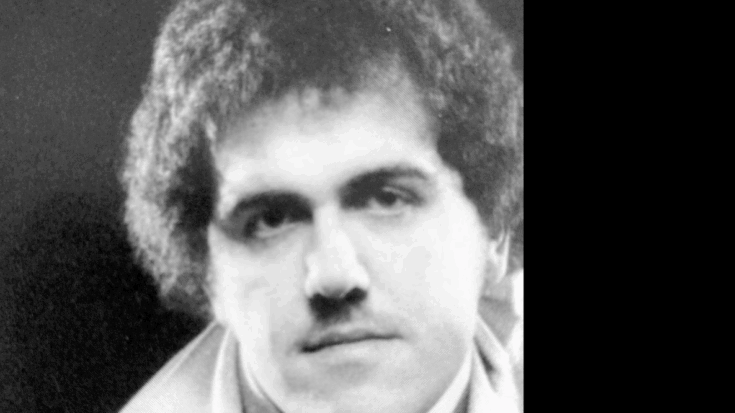
via Brendan Borrell / Youtube
For more than four decades, the identity of the singer who nearly replaced Brad Delp in Boston has remained a footnote whispered among diehard fans. Now, that story is finally out in the open. Mark Dixon, a Niagara Falls–based musician, was quietly hired by Boston mastermind Tom Scholz in 1981 as an insurance policy during a period of uncertainty for the band’s iconic frontman.
At the time, Boston was struggling to move forward with the long-delayed follow-up to 1978’s Don’t Look Back. Unsure whether Delp would fully commit, Scholz took a cautious—and secretive—step. In the December 11, 1980 issue of Rolling Stone, he placed an anonymous ad seeking singers capable of matching the demanding high-range vocals associated with “Chicago, Foreigner, Bad Company and, of course, Boston.” The job paid $50,000 for a year’s work.
A Basement Demo That Changed Everything
Dixon, then fronting the local band Avalanche and intentionally avoiding full-time work, noticed the ad from his home in Niagara Falls. Intrigued, he recorded a demo in his basement, cutting three tracks including Boston’s “Let Me Take You Home Tonight.”
“I had one microphone and hooked it up,” Dixon recalls in a short YouTube film by investigative journalist Brendan Borrell. “I started with the main lead vocal, and then I would pan to the other channel and do another vocal. Pan back to the other channel, add another vocal. And I did that till I had all the harmonies and lead vocal down.”
The tape landed on Scholz’s desk—and immediately stood out. Struck by Dixon’s uncanny ability to replicate Delp’s voice, Scholz invited him to Massachusetts to record a version of Boston’s 1978 single “A Man I’ll Never Be.”
“It was unreal,” Dixon says. “One day, I’m just gigging in my own city, for the Niagara Falls area, and now I’m hanging around this pop star. Every modern convenience you could see, as far as recording goes, down in his basement.”
Boston’s Secret Contingency Plan
Scholz edited the track by alternating lines between Delp’s original vocals and Dixon’s new ones, then played the recording for CBS Records president Walter Yetnikoff. Yetnikoff reportedly couldn’t distinguish between the two voices. With that, Boston’s contingency plan was in place.
If Delp returned, Dixon would quietly step aside. If he didn’t, Dixon would become the band’s new voice. Dixon was placed on retainer under one strict condition: his involvement would remain confidential.
Determined to be ready, Dixon treated the role with discipline. “All I drank at the time was Diet Pepsi,” he says. “You know, watch my weight, doing everything that I should do. No smoking, no nothing. Healthy, healthy man.”
Dixon is believed to have contributed lead vocals and harmonies during early sessions for what eventually became Boston’s third album, Third Stage. But after a year, Scholz called with the final word—Delp was back, and Dixon’s role had come to an end.
“I was on top of the world,” Dixon says. “And then I’m back where I started, on the ground. It’s funny. I don’t think about all this that often. The only time I start thinking about it is like when you called the other day, and then I got all depressed again.”
A Quiet Legacy, and a Life Well Lived
Despite the disappointment, Dixon’s brush with rock history gave him lasting recognition back home. His behind-the-scenes role in the Boston story turned him into a local legend, earning him induction into the Buffalo Music Hall of Fame in 1990 and the Niagara Falls Music Hall of Fame in 2018. Even after stepping away from full-time music, he continued performing, most recently with ELI, a Three Dog Night tribute band.
Looking back, Dixon views the experience with a mixture of realism and gratitude. “Who could ask for more?” he says. “You know, I’d like the fame. I’d like the money. But you know what? I’m happy.”
In an industry filled with near misses and forgotten contributors, Dixon’s story serves as a reminder that success isn’t always measured in platinum records or sold-out arenas. Sometimes it’s found in knowing you were good enough to step into the spotlight—even if only for a moment—and walking away with your love of music intact.
The story was uncovered by Brendan Borrell, author of Power Soak: Invention, Obsession, and the Pursuit of the Perfect Sound, which explores Boston’s legal battles with CBS Records. Borrell also writes the Boston-focused Substack Powersoak, continuing to illuminate the lesser-known chapters of the band’s history.