


The Story Behind The Eagles’ Classic Hit “Lyin’ Eyes”
via "uploader.JP8" / Youtube
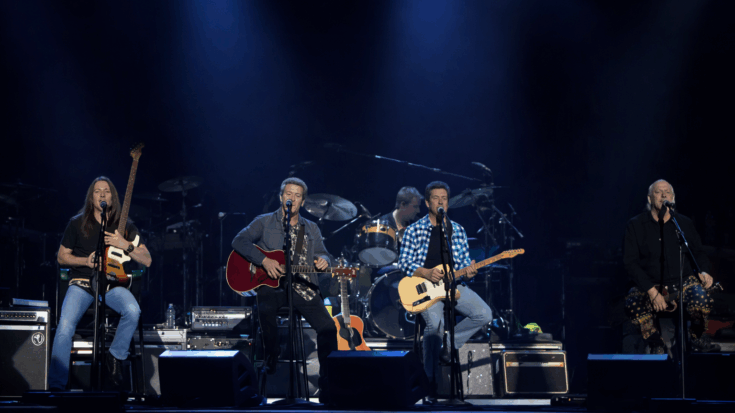
The Eagles have opened a new window into their storied past with the release of a previously unheard live version of “Lyin’ Eyes.” Recorded at the Sunshine Festival in Anaheim, California, on September 28, 1975, the track captures a moment when the band’s musical precision was undeniable. Featuring Don Henley, Glenn Frey, Randy Meisner, Bernie Leadon, and Don Felder, the lineup delivers a performance defined by tight harmonies and expressive instrumentation.
Yet beneath the polished exterior, the group was navigating internal strain. The show would ultimately mark Leadon’s final appearance with the Eagles, closing a chapter just months before Joe Walsh entered the fold and shifted the band’s sonic direction.
The Sound of a Song That Endures
The newly surfaced recording highlights why “Lyin’ Eyes” became one of the band’s most enduring tracks. Vocals land with clarity and control, while the guitar work adds a layer of emotional nuance that studio recordings only hint at. The performance is immediate—an almost tactile sense of presence—that places the listener squarely in the 1975 crowd.
More than a nostalgic artifact, the track reinforces the Eagles’ reputation for craftsmanship. The warmth of the recording and the balance of its arrangement demonstrate a band fully in command of its identity, even amid personal and creative tensions.
Revisiting a Landmark Album
This live cut arrives as part of the expanded reissue of One of These Nights, the 1975 release that propelled the band into global stardom. The album not only achieved multiplatinum success but also earned the group their first Grammy, with “Lyin’ Eyes” taking top honors for Best Pop Performance by a Duo or Group with Vocals.
The upcoming deluxe edition revisits that milestone with updated mixes, including Dolby Atmos and high-resolution formats, alongside the full 16-song Sunshine Festival set. Available in both CD/Blu-ray and vinyl configurations, the release signals more than a routine anniversary package. Instead, it underscores a growing appetite for archival depth—offering fans and historians alike a fuller understanding of the Eagles’ evolution. As legacy acts continue to mine their vaults, releases like this suggest that the past still holds untapped resonance, capable of reshaping how even the most familiar classics are heard.