




The Bob Weir Songs That Quietly Shaped the Grateful Dead’s Sound
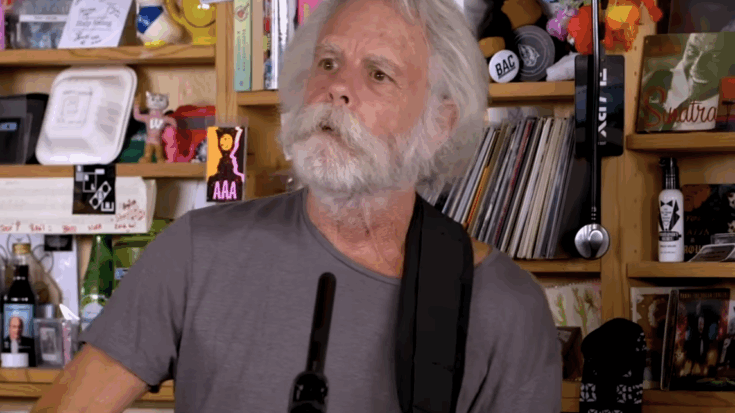
via NPR Music / Youtube
Bob Weir has always been one of the most interesting figures in the world of the Grateful Dead. For decades, Weir quietly helped shape the band’s music, energy, and attitude, even though Jerry Garcia was typically in the forefront. He played rhythm guitar, sang, and wrote songs that gave the music a sense of adventure while keeping it grounded. Weir focused on living in the present rather than worrying about what would come next. He played with the Dead as well as other bands like Wolf Bros, RatDog, and Dead & Company. This approach led to many fantastic songs and memorable shows.
Here are ten Bob Weir tracks that showcase the breadth of his musical world. They start with the tenth track and work their way to the first.
My Brother Esau (1987)
This is one of the Grateful Dead’s stranger songs. John Perry Barlow wrote the lyrics, which retell a well-known Bible tale in a fresh way. The lyrics are complex and somewhat mysterious, yet the music remains tight and focused. The song was never released on a proper studio album, but it was performed live for years and became a fan favorite. It’s a great example of how Weir likes to tell stories with a steady, confident pace.

Little Star (1983)
Fans of “Little Star” enjoy discovering it because it was played live only a few times and felt more like a musical sketch than a fully formed song. Nevertheless, it brilliantly highlights Weir’s adventurous and spacey side. Later, it found a more permanent home in RatDog performances, where it continued to evolve. The song is odd and dreamy, illustrating that Weir never hesitated to let a composition remain free and open-ended.

Estimated Prophet (1977)
This track brought funk and reggae influences into the Grateful Dead’s sound. As the opening song on the Terrapin Station album, it gave Weir plenty of space to sing, allowing him to sound confident and powerful. The rhythm sways rather than rocks, which was unusual for the band at the time and it performed a trance-like quality. The song also bridged the band’s early experimental period with their late-1970s style, influencing how Weir approached songwriting.

Cassidy (1972)
“Cassidy” feels like a musical blessing—soft, hopeful, and full of light. The song is about a notable Beat figure and a child, blending innocence with wisdom. It first appeared on Weir’s solo album Ace and quickly became a Grateful Dead classic. In concert, it was often deeply moving. The song demonstrates Weir’s ability to convey warmth and optimism like few other compositions.

Gonesville (2016)
From Weir’s later solo album Blue Mountain, “Gonesville” has a quiet, reflective vibe. Drawing on gospel, country, and classic American folk, it sounds like a lost vinyl record found in a dusty shop, yet it still feels fresh. The lyrics address the difficulty of accepting change and moving on—a poignant theme from an artist with decades of experience. It is calming, thoughtful, and uplifting.

One More Saturday Night (1972)
This song is pure fun—loud, energetic, and perfect for live audiences. It became a staple of Dead shows on weekends. The driving piano and upbeat tempo make it feel like a celebration of youth, restlessness, and the joy of dancing. Before appearing on Ace and Europe ’72, it was road-tested, and it has endured for decades. It’s the kind of song that makes you want to dance at a concert.

Throwing Stones (1987)
Here, Weir takes a more political and pointed approach. Written by Barlow, the song connects carefree dancers to a world full of challenges and power struggles. The tense, powerful instrumentation matches the theme perfectly—swirling guitars, hard-hitting drums, and a sense of urgency. While it may not receive as much attention as other tracks from the era, it remains one of Weir’s best.

Playing in the Band (1971)
This song captures the essence of a Grateful Dead concert. Co-written by Robert Hunter, it’s about creating music together. Live performances often turned into extended jams that seemed endless; one famous version lasted nearly an hour, showing how far the band could push a simple idea. The song symbolizes the Dead’s free-spirited approach to music-making.

The Music Never Stopped (1975)
From the very first beat, this song radiates joy. Its funky rhythm demonstrates how music and community can unite people. Weir and Donna Jean Godchaux’s voices blend beautifully, and the entire band seems to revel in the performance. The track feels like a promise: the groove continues, whether on record or live. It’s a perfect example of the Grateful Dead’s ethos.

Truckin’ (1970)
At the top of the list is a song that defines both Bob Weir and the Grateful Dead. “Truckin'” is a rootsy anthem of life on the road, blending humor, resilience, and camaraderie. Written collaboratively by Weir, Garcia, Lesh, and Hunter, its famous chorus and laid-back rhythm reflect the band’s easygoing, wandering spirit. Decades later, it still evokes the feeling of an open road with music playing.

These songs demonstrate why Bob Weir remains a vital figure in American music. His work balances freedom with structure, tradition with risk, and heart with intellect. Across the decades, he has helped craft a soundscape that feels timeless and endlessly alive.