




Songs That Marked the Moment ’80s Rock Started to Fizzle Out
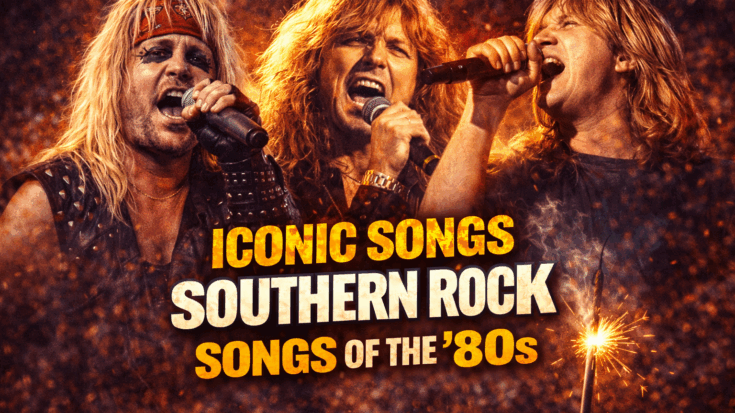
When someone says “’80s rock,” a very specific picture pops into most people’s heads. Big hair was sprayed into place like a construction project. Tight leather pants. Flashy guitar solos. Singers belting out arena-sized choruses while pointing dramatically into the crowd. Bands like Bon Jovi, Van Halen, Mötley Crüe, Guns N’ Roses, and even Bruce Springsteen usually come to mind.
It was loud. It was dramatic. It was sometimes ridiculous. And for a while, it completely ruled the world. But when did it end? The honest answer is both suddenly and slowly. The collapse of ’80s rock wasn’t a single explosion. It was more like a long leak that finally gave way. Some songs exposed the cracks. Others kicked the door down. By the early ’90s, the whole shiny, spandex-wrapped empire had fallen apart.
Before going further, it helps to narrow down what “’80s rock” means here. This isn’t about new wave bands like The Police or gothic groups like The Cure. It’s not about art-pop innovators like Kate Bush. This is about big guitars, even bigger choruses, stadium tours, power ballads, and a heavy obsession with partying and sex. And while the songs that helped end the era weren’t always pure hair metal, they played a major role in pushing that style off the stage. Here are five tracks that, in very different ways, signaled the end of ’80s rock.
Smells Like Teen Spirit by Nirvana
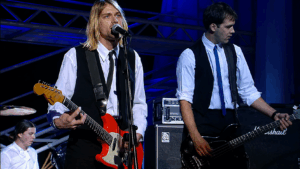
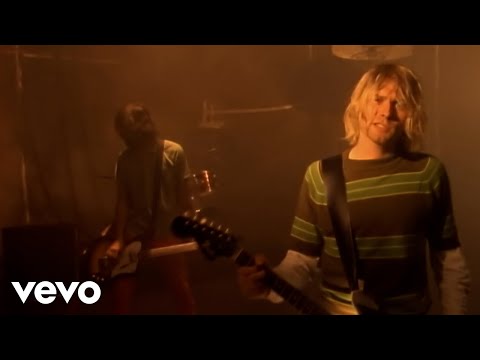
If one song delivered the final knockout punch, it was “Smells Like Teen Spirit.” When it landed in 1991 on the album Nevermind, it didn’t just compete with ’80s rock — it wiped it off the map. Gone were the glossy guitar tones and polished production. Gone were the hairspray clouds and model-ready looks. In their place stood three scruffy guys from Seattle who looked like they’d just rolled out of a thrift store. The sound was raw, loud, and messy in a way that felt honest. Kurt Cobain wasn’t posing for the camera. He wasn’t flexing or flirting. He was yelling. The guitars were thick and fuzzy. The drums were heavy and simple. The energy felt chaotic and real.
To people who lived through it, the shift felt instant. One minute, hair metal ruled MTV. The next minute, flannel shirts and combat boots took over. It was like someone flipped a switch, but this change didn’t come out of nowhere. By the late ’80s, rock had become crowded with bands following the same formula: big ballad, party anthem, flashy video, repeat. The market was oversaturated, and audiences were starting to feel it. Nirvana wasn’t the only band coming out of Seattle. Pearl Jam, Soundgarden, and Alice in Chains were right there too. But “Smells Like Teen Spirit” was the lightning bolt. It wasn’t just a hit song. It was a cultural reset. It made ’80s rock feel fake overnight — a tough thing to recover from.
We Built This City by Starship
At first glance, “We Built This City” seems like just another catchy ’80s pop-rock anthem. Synth-heavy. Loud snare drums. Big chorus. It hit No. 1 in 1985 and stayed there for two weeks. On paper, that sounds like success. But the song also showed how far some rock bands had drifted from their roots.
Starship didn’t come out of nowhere. The group evolved from Jefferson Airplane, one of the most important psychedelic bands of the 1960s. That band later became Jefferson Starship before finally shortening its name to Starship. Think about that journey — from the counterculture anthem “White Rabbit” to a glossy, radio-friendly singalong about building a city on rock and roll.
The issue wasn’t that “We Built This City” was terrible. It was catchy. It was fun. But it felt corporate. Clean. Almost too safe. It represented a moment when rock music had polished itself so much that it started to lose its edge. By the mid-’80s, some rock had become more about radio play and marketing than rebellion. The song showed the limits of that approach. Once you reach peak polish, where do you go next? In a strange way, “We Built This City” revealed that the genre was boxed in. It had gone as shiny as it could go. The only direction left was somewhere rougher.

Cherry Pie by Warrant
If any song screams “end of an era,” it might be “Cherry Pie.” Released in 1990, just before grunge exploded, the track felt like a greatest-hits package of every hair metal cliché: loud power chords, over-the-top lyrics, and a video filled with glam poses and winks at the camera. By that point, the formula had been copied so many times that it was starting to feel tired. Warrant had entered the scene late, and their 1989 album Dirty Rotten Filthy Stinking Rich already leaned into the flashy excess of the decade. But by the time “Cherry Pie” arrived, public taste was shifting.
The song was huge and received constant airplay, but it also became a symbol of everything critics disliked about hair metal — the cartoonish sex appeal, predictable hooks, and the sense that bands were imitating one another. Warrant singer Jani Lane later struggled with the legacy of the song, which followed him everywhere. For many listeners, it wasn’t just a hit single. It was a sign that ’80s rock had run out of new ideas. While “Smells Like Teen Spirit” would deliver the final blow, “Cherry Pie” showed that the genre was already wobbling.
Welcome to the Jungle by Guns N’ Roses
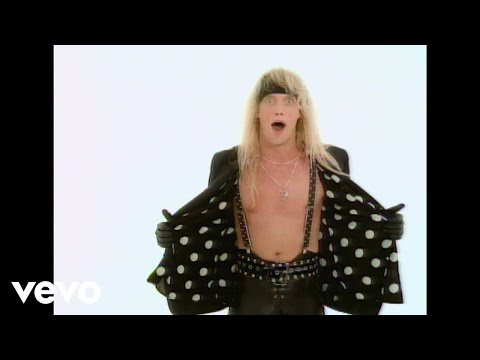
This one might seem confusing. “Welcome to the Jungle” sounds like peak ’80s rock. It’s loud, aggressive, and unforgettable, coming from Appetite for Destruction, one of the greatest rock albums of the decade. So how could it signal the end? Because Guns N’ Roses never fully fit the hair metal mold. Yes, they had big hair. Yes, they had MTV videos. But their sound was dirtier, meaner, and less polished. There was real danger in it.
While other bands were writing party anthems about good times, Guns N’ Roses sounded like they were barely surviving the chaos they described. Axl Rose didn’t sing like a glam frontman posing for the camera. He snarled and screamed like someone who meant it. In many ways, Guns N’ Roses were a bridge between decades. They carried pieces of ’80s rock but hinted at something darker and less glamorous. Their success showed that audiences were ready for music with more grit. “Welcome to the Jungle,” with its wild energy and urban menace, made it clear that the era of glossy excess was fading.

I Still Haven’t Found What I’m Looking For by U2
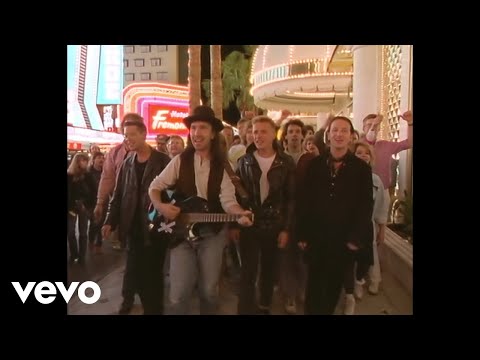
While Nirvana tore down the house, U2 quietly redesigned it. When the band released The Joshua Tree in 1987, they offered something very different from typical ’80s rock. “I Still Haven’t Found What I’m Looking For” wasn’t about partying or seduction. It was spiritual, reflective, and almost prayer-like. The sound was spacious and restrained. The Edge’s guitar didn’t shred — it shimmered. Bono didn’t pose like a glam rocker. He reached for something bigger and more serious.
The album became a massive success. The song hit No. 1 on the Billboard Hot 100 and earned Grammy nominations. U2 proved that you could fill stadiums without teasing your hair or writing party songs. In a way, they offered an alternative before grunge arrived. The ’80s had built the stage for arena rock, and U2 stepped onto it with a different kind of message. Their success helped shift industry attention toward more thoughtful, atmospheric rock. It didn’t kill hair metal on its own, but it chipped away at the dominance of the louder, flashier acts.
The Fade-Out
The end of ’80s rock wasn’t just about one band or one song. It was about saturation. Too many groups chasing the same look. Too many predictable power ballads. Too many videos that felt like copies of copies.
Some songs, like “We Built This City,” showed how polished things had become. Others, like “Cherry Pie,” highlighted how self-parody had crept in. Guns N’ Roses hinted at a rougher future. U2 offered a more serious alternative. And Nirvana slammed the door shut. By the early ’90s, flannel replaced spandex. Guitar solos got shorter. Lyrics got darker. The party was over.
But ’80s rock didn’t really disappear. It just stopped being the center of attention. Those big choruses and flashy riffs still show up at sports games and karaoke nights. The songs still get streamed. The nostalgia is strong.
The era fizzled out, yes, but it went out loud. And thanks to these five songs — whether they ended it or exposed its cracks — the story of ’80s rock remains one of the most dramatic chapters in music history.