




Hall of Fame Power Couple Joins ‘American Idol’ for Rock-Themed Episode
Rock Heritage Meets Television: A Hall of Fame Night on American Idol
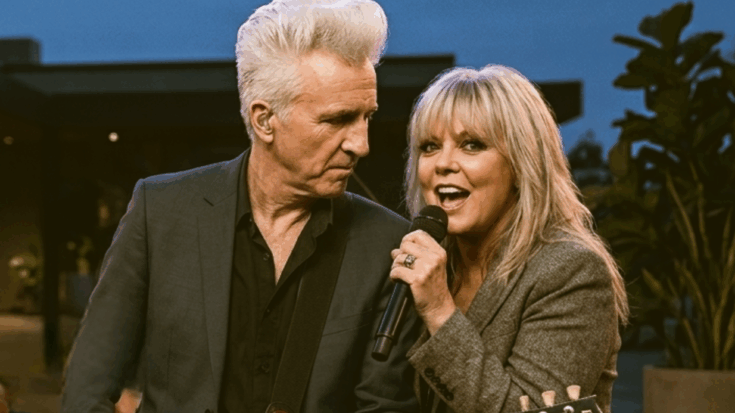
In April 2026, the long-running television competition American Idol prepared a special broadcast centered on the enduring influence of rock music. Scheduled for April 13 on ABC, the live episode brought together rising performers and established figures from the industry. At the center of the event were Pat Benatar and Neil Giraldo, a duo whose partnership has shaped popular music for decades.
Their participation reflected a broader effort to connect newer audiences with earlier eras of rock. Since its debut in 2002, American Idol has often relied on themed nights to introduce contestants to different musical traditions. This particular episode focused on artists honored by the Rock and Roll Hall of Fame, an institution founded in 1983 to recognize influential contributors to the genre.
Mentorship and Musical Legacy
Benatar and Giraldo, inducted into the Hall of Fame in 2022, arrived with a deep catalog and a long history of collaboration. Their work, which includes widely recognized songs from the late twentieth century, helped define a period when rock music reached large arena audiences while still maintaining strong melodic structure. Over more than forty years, they built a reputation for combining powerful vocals with carefully crafted arrangements.
During the broadcast, their role extended beyond performance. They worked closely with the show’s top eleven contestants, offering guidance on how to approach well-known material. This mentorship focused on helping singers understand not just the notes of a song, but also its place in music history. Contestants were encouraged to consider the original context of each piece, including the era in which it was recorded and the audience it first reached.
A Competitive Stage with Historical Depth
The episode’s format required each finalist to perform a song associated with a Hall of Fame inductee. This approach added a layer of difficulty, as many of these works are already deeply familiar to listeners. Reinterpreting such material demands both technical ability and a sense of individuality. For emerging performers, the challenge lies in respecting the original while offering something new.
This type of themed competition has roots in earlier seasons of American Idol, where contestants were often asked to explore genres outside their comfort zones. By focusing on Hall of Fame artists, the show highlighted the lasting impact of rock music across generations. It also demonstrated how songs recorded decades ago continue to influence modern performers and audiences alike.
View this post on Instagram
The Hall of Fame Announcement
A major feature of the broadcast was the live unveiling of the Hall of Fame’s Class of 2026. This announcement added anticipation to the evening, linking the competition directly with one of music’s most recognized institutions. Each year, the Hall of Fame considers artists based on influence, cultural significance, and the length of their careers. Eligibility begins twenty-five years after an artist’s first commercial release.
The list of nominees for 2026 reflected a wide range of styles and eras. It included performers associated with rock, pop, rhythm and blues, and hip-hop, illustrating how the definition of rock music has expanded over time. The final selections are determined by an international group of voters, including musicians, historians, and industry professionals, ensuring that the process draws on varied perspectives.
Bridging Generations Through Broadcast Media
By combining live competition with historical recognition, the episode demonstrated how television can serve as a bridge between past and present. Programs like American Idol reach audiences that may not regularly engage with older recordings, yet they provide a platform where such music can be revisited and reinterpreted.
The collaboration between the show and the Hall of Fame highlighted a shared goal: to keep the history of popular music visible and relevant. Through performances, mentorship, and the announcement of new inductees, the broadcast placed both emerging artists and established figures within the same ongoing story of rock music.