




On This Day in 1992: Funkadelic Co-Founder and Guitar Visionary Eddie Hazel Died at 42
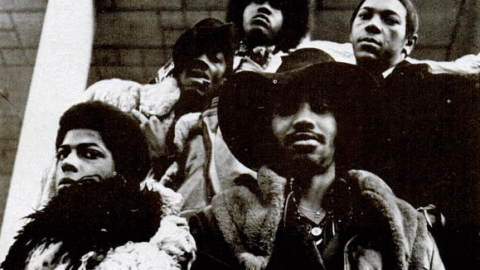
Photo by Author unknown, Public domain, via Wikimedia Commons
On December 23, 1992, Eddie Hazel, a founding guitarist of George Clinton’s Funkadelic, died in Plainfield, New Jersey, at the age of forty two. The cause was complications from liver failure. Hazel was a central force in shaping Funkadelic’s sound, blending raw blues phrasing, deep funk rhythm, and loud rock soloing into something few bands had attempted. His playing gave the group a sharp edge that stood apart from other soul acts of the era.
He first gained attention in the late nineteen sixties as a teenager, when he joined Clinton’s expanding musical circle in New Jersey. Hazel helped form Funkadelic after earlier work with The Parliaments, bringing heavy guitar tones into a space once ruled by harmony vocals. His background in blues and rock, mixed with church music and street funk, allowed him to stretch songs far beyond radio norms. That approach reshaped expectations for funk guitar at large.
Shaping the Funkadelic Sound
Hazel’s most famous recording came in nineteen seventy one with the Funkadelic album Maggot Brain. The title track featured a ten minute solo that many listeners describe as emotional and unfiltered. Clinton later said he asked Hazel to play as if he had just learned of his mother’s death. The result was a piece that influenced generations of rock and funk guitarists. It remains widely discussed in music schools and among serious fans today worldwide.
Despite his talent, Hazel struggled with addiction for much of his life. These issues led to legal trouble and long absences from Funkadelic. He left the band in nineteen seventy four, years before its biggest hit, “One Nation Under a Groove – Part One.” Though he returned for later projects, his time with the group was often unstable and difficult. Personal struggles repeatedly interrupted his creative momentum during the decade and beyond, limiting his output.
View this post on Instagram
Later Years and Lasting Impact
Outside Funkadelic, Hazel released solo work, including the album Games, Dames and Guitar Thangs in nineteen seventy seven. The record showed his range beyond extended solos, with structured songs and strong rhythm parts. He also played on albums by Parliament and other Clinton projects, leaving his mark across the wider P Funk universe. His style blended distortion, feedback, and melody in ways few funk players attempted at the time, influencing later genres as well globally.
Hazel died at forty two, but his reputation continued to grow after his passing. Musicians still cite Maggot Brain as a landmark recording, and his solos remain studied and debated. On this day in nineteen ninety two, funk and rock lost a bold voice whose sound still echoes through records, stages, and players who followed his path. His influence connects generations of artists seeking freedom, expression, and emotional truth through amplified guitar lines worldwide today.